

Key Takeaways
- Traditional Indian diets in most regions relied on jowar, bajra, and ragi rather than wheat — all naturally gluten-free, with glycaemic indices of 50-57 versus maida's 70-75, a structural advantage for blood sugar management that predates modern GI research by centuries.
- Per capita millet consumption in India dropped approximately 65% between 1966 and 2016 (FAOSTAT), tracking closely with the rise of urban lifestyle diseases including type 2 diabetes, now affecting 77 million Indian adults (IDF Diabetes Atlas, 2021).
- Fermented foods (idli, dosa, kanji, fermented pickles) were daily staples across multiple Indian regions, delivering live cultures that modern research has confirmed increase gut microbiome diversity and support immune function.
- ICMR's 2023 updated dietary guidelines recommend millets as a primary cereal for Indian adults — the same prescription rural India followed for generations, now validated by nutritional science.
In 2023, ICMR published updated dietary guidelines recommending millets as a primary cereal for Indian adults, citing their lower glycaemic index, higher fibre content, and stronger micronutrient profiles compared to refined wheat. Rural India, particularly farming communities in Rajasthan, Maharashtra, and Karnataka, had been following this prescription for generations — not from nutritional science, but from availability and tradition. The science caught up. The food hadn't changed.
This is the pattern throughout traditional Indian food systems. Practices that sound modern were standard centuries before the research existed to explain them.
Millets Over Wheat: The Original Low-GI Diet
Jowar (sorghum), bajra (pearl millet), and ragi (finger millet) were the primary grains across much of peninsular India before wheat cultivation expanded dramatically during the Green Revolution of the 1960s. All three are naturally gluten-free. All have glycaemic indices significantly lower than refined wheat flour. Jowar GI: 50-55. Bajra: 54. Ragi: 57. Whole wheat: 54-65. Maida: 70-75.
The fibre content is also substantially higher. Ragi contains approximately 3.6g of dietary fibre per 100g cooked. Bajra contains 3.4g. Maida contains 2.7g, and refined pasta can be lower. What this meant in practice for communities eating bajra rotis or ragi mudde was sustained energy release, lower postprandial blood sugar peaks, and a higher feeling of satiety per calorie. They didn't have glycaemic index tables. They had a food system that worked, and they maintained it across generations.
The replacement of millets with wheat and maida in urban diets since the 1980s is one of the most significant and least discussed dietary shifts in modern India. Between 1966 and 2016, per capita millet consumption dropped approximately 65% nationally (FAOSTAT). Wheat consumption rose proportionally. India now has 77 million adults with type 2 diabetes — the second-highest absolute number in the world. The mechanistic evidence linking refined grain consumption to insulin resistance adds weight to this relationship, though the causation is not established by the correlation alone.
Fermentation: Gut Science Without the Lab
The daily South Indian breakfast of idli and dosa, the kanji eaten in Tamil Nadu and Kerala, the rice-and-lentil fermented preparations across Bengal and Odisha — these weren't random food preferences. Fermentation is a preservation method, but it also transforms food in ways that weren't understood scientifically until the 20th century.
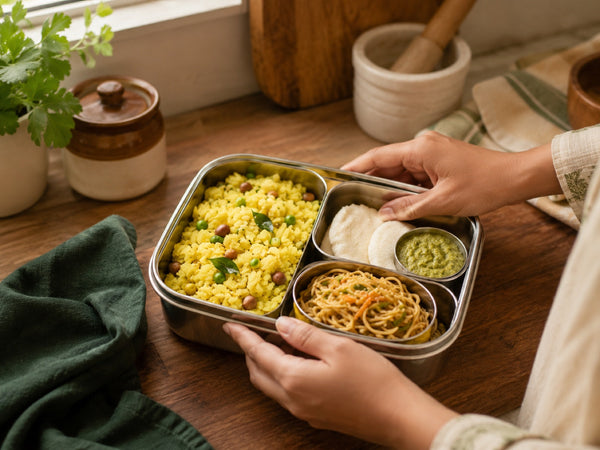
The fermentation process for idli and dosa batter involves lactic acid bacteria naturally present on rice and urad dal. These bacteria produce B vitamins (including B12, absent in most plant foods), reduce phytic acid content (improving mineral absorption from the grains), increase bioavailability of iron, and create a product rich in live cultures that support gut microbiome health. Traditional fermentation times of 8-12 hours produced more fully fermented products with higher probiotic activity than the 3-4 hour shortcuts common in modern urban cooking.
Fermented pickles made with brine rather than vinegar — achar prepared with salt, turmeric, and time — similarly contain live cultures. These weren't prescribed as probiotics. They were food. But they did the work probiotics do: introducing and maintaining beneficial bacterial populations in the gut, supporting the gut-immune interface, and producing metabolites that reduce intestinal inflammation. Modern research confirms 70-80% of immune cells reside in the gut-associated lymphoid tissue. Traditional Indian food was supporting this interface daily, systematically, across the entire population.
Plant-Based Protein: The Dal-Legume System
Every major regional Indian food tradition has a legume at its centre. Dal (lentils) in the North. Sambar (toor dal) in the South. Rajma in Kashmir and Punjab. Chana in Gujarat and Bengal. Sattu in Bihar. This isn't coincidence — it reflects a food culture that solved the problem of plant-based protein adequacy across diverse geographies without red meat as the primary protein source.
Lentils provide 7-9g of protein per 100g cooked, alongside 7-8g dietary fibre, significant iron, and folate. Combined with a grain (rice, millet, roti), the amino acid profile of the meal improves substantially. Methionine in grains complements lysine in legumes, producing a more complete protein approaching animal protein in amino acid score. Traditional Indian meals did this instinctively. The science of protein complementarity wasn't established until the 1970s. The food practice predated it by centuries.
Seasonal and Functional Eating
Traditional meals were structured around season, locality, and the body's cyclical needs. Cooling foods in summer — cucumber, curd, raw mango, coconut — and warming foods in winter: fenugreek, ginger, ghee, sesame. This wasn't mysticism. It was empirical observation accumulated over generations. Summer heat increases hydration needs and reduces appetite for heavy food. Winter cold increases caloric requirements and benefits from fat-dense, thermogenic ingredients.
Turmeric in sabzi, ginger in chai, cumin in dal, coriander in chutneys — these were flavour choices and preservation agents that happened to carry anti-inflammatory and digestive benefits. Curcumin in turmeric has been studied in over 3,000 peer-reviewed papers. Gingerol in ginger has confirmed antiemetic and anti-inflammatory properties. The reasons these spices were used originally were practical and sensory. The reason modern researchers keep investigating them is that the outcomes observed empirically have turned out to have biochemical explanations.
Frequently Asked Questions
Was the traditional Indian diet vegetarian?
Largely, but not uniformly. Vegetarianism has strong cultural and religious roots in India, particularly among Brahmin and Jain communities and many South Indian communities. But coastal communities ate seafood extensively, and many North and North-East Indian communities ate goat, chicken, and other meats regularly. The traditional diet varied enormously by region, caste, season, and economic status. What most versions shared was a legume-grain-vegetable foundation, with meat or dairy as supplementary rather than primary protein sources — a structure now recognised as metabolically advantageous for most adults.
Is the traditional diet practical in a modern urban context?
Yes, with adjustment. The principles — whole grains over refined, legumes as daily protein, fermented foods, seasonal vegetables — are achievable in an urban kitchen. Practical shortcuts that preserve the nutritional intent: batch-cook dal twice a week and vary the preparation. Keep ragi flour for rotis that take as long as wheat rotis to make. Use curd daily. Add gluten-free millet pasta for a quick weeknight meal with the same nutritional intent as a traditional grain-legume base. The traditional structure is a useful framework. Slavish adherence to every traditional preparation method isn't necessary to capture most of the benefit.
Why are millets not more widely eaten in Indian cities today?
Several reasons converged. The Green Revolution dramatically increased wheat and rice yields and availability, making them cheaper and more accessible than millets by the 1970s. PDS (Public Distribution System) staples centred on wheat and rice, removing millets from subsidised food systems. And as Indian consumers urbanised, foods associated with rural and lower-income communities were stigmatised as backward, while refined flour foods were associated with modernity and aspiration. This perception is now reversing — the Year of Millets 2023, ICMR's updated guidelines, and the growing demand for low-GI alternatives have all contributed to millets returning to urban kitchens across income levels.
Try This Product
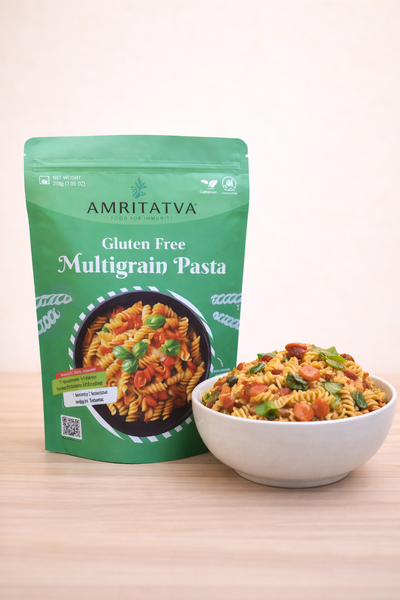
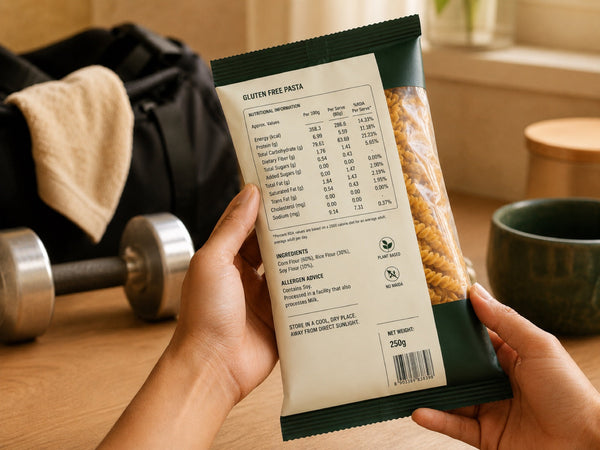
Amritatva Gluten-Free Millet Pasta
Millet pasta + mushroom seasoning. No maida, no MSG. Ready in 15 min.
Shop Now
0 comments