

Key Takeaways
- According to NIMHANS and ICMR, approximately 10% of Indians are affected by gluten insensitivity — and India's celiac disease prevalence of 11.1% is higher than the global average (AIIMS research, PubMed).
- AIIMS estimates 6–8 million Indians have celiac disease, yet the condition remains heavily underdiagnosed because its symptoms — bloating, fatigue, brain fog — are routinely attributed to stress or poor sleep.
- India's gluten-free food market reached $817.7 million in 2024 and is projected to grow at 6.77–8.5% CAGR through 2033, driven by both diagnosed celiac cases and voluntary clean-eating adoption (IMARC Group, 2024).
- Switching to gluten-free doesn't require exotic ingredients — millets, rice, and legumes form the backbone of India's traditional diet and are all naturally gluten-free.
There is a morning — and if you've been through this, you know exactly which one — when you wake up and something is different. Not dramatically. Not the kind of different that makes you call a doctor. Just a quiet absence of the heaviness that you'd accepted as normal. You'd assumed that was just how digestion felt. Turns out, it wasn't.
This is what switching to a gluten-free diet feels like for the people it actually helps. Not a miracle. Not a transformation. More like removing a low-grade interference signal you didn't realise was running in the background.
Why Gluten Affects More Indians Than Anyone Realises
AIIMS estimates 6–8 million Indians have celiac disease — an autoimmune condition where gluten triggers an immune response that damages the small intestine lining. India's celiac prevalence of 11.1% is actually higher than the global average, according to research published in PubMed. Beyond celiac, NIMHANS and ICMR data suggest approximately 10% of Indians experience non-celiac gluten sensitivity (NCGS) — a condition where gluten causes real, measurable digestive and neurological symptoms without triggering the autoimmune response of celiac disease. Both conditions share the same presenting symptoms: bloating, irregular bowel movements, fatigue, brain fog, and joint pain. Both are routinely misattributed to stress, poor sleep, or "weak digestion."
What Gluten Actually Does in the Body
Gluten is a protein composite found in wheat, barley, and rye. In people with celiac disease or NCGS, it triggers an immune response that creates inflammation in the gut lining. Over time, this inflammation flattens the villi — tiny finger-like projections in the small intestine that absorb nutrients. Flattened villi means reduced absorption of iron, calcium, folate, and fat-soluble vitamins (A, D, E, K). The result isn't just digestive discomfort. It's nutrient malabsorption that shows up years later as anaemia, bone density loss, fatigue, and hormonal imbalance.
India's Food Culture Is Already Mostly Gluten-Free
India's traditional diet was largely gluten-free before wheat became the dominant grain. Rice, jowar, bajra, ragi, maize, and a wide range of legumes formed the dietary base across most of India's regions — all naturally gluten-free. The shift to wheat-heavy diets happened largely in the post-Green Revolution period (1960s–1980s), when wheat cultivation was incentivised across North India and maida-based foods became accessible and cheap. Going gluten-free, for most Indians, isn't adopting a foreign wellness trend. It's returning to what the diet looked like two generations ago.
What Actually Changes When You Remove Gluten
For people with celiac disease, a strict gluten-free diet is the only known treatment — symptoms typically resolve within weeks of elimination, and intestinal healing follows over months to years. For people with NCGS, reported improvements include reduced bloating, more consistent energy, clearer skin, and better sleep quality. For people without either condition, removing gluten from a balanced diet produces no measurable health benefit — but it often produces an indirect benefit: replacing refined wheat products with whole millet, rice, or legume-based alternatives tends to increase fibre and reduce glycaemic load, which improves metabolic health regardless of gluten status.
Gluten-Free Done Right vs Gluten-Free Done Wrong
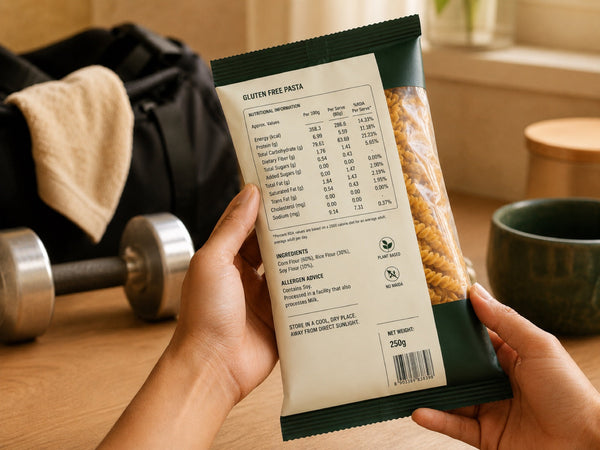
Many packaged "gluten-free" products replace wheat flour with rice flour, potato starch, or tapioca — all of which have higher glycaemic indices than whole wheat and lower nutrient density. Switching from maida-based pasta to rice-starch-based gluten-free pasta is a lateral move at best. The right approach to gluten-free eating centres on whole ingredients: millets (ragi, bajra, jowar), legume flours (chana atta, besan), rice, and naturally gluten-free grains like amaranth and quinoa.
Practical Gluten-Free Swaps for Indian Kitchens
- Roti: Replace 50% of atta with jowar or bajra flour — or switch to pure millet rotis, which are higher in fibre and lower in glycaemic load.
- Pasta and noodles: Multigrain options made from millet, rice, and amaranth blends provide the same texture with significantly better nutritional profiles than maida-based products.
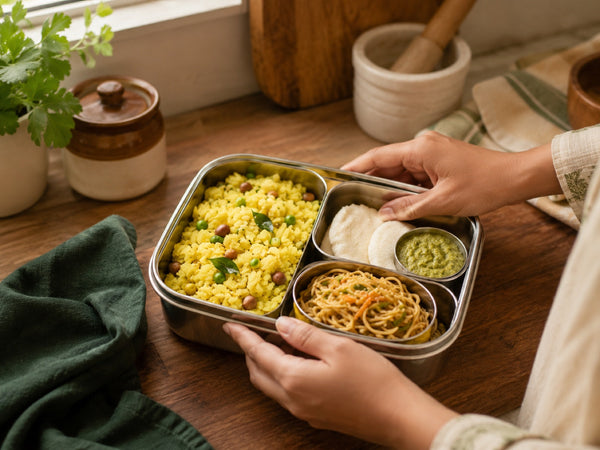
- Breakfast: Poha, idli, dosa, upma (with suji replaced by millet rava), and sattu drinks are all naturally gluten-free and already part of Indian culinary tradition.
- Snacks: Roasted chana, makhana, rice cakes, and murmura replace biscuits and namkeen that are typically made with maida.
- Thickeners in cooking: Arrowroot, rice flour, and besan replace cornflour as natural gluten-free thickeners.
Frequently Asked Questions
How do I know if I have gluten sensitivity or celiac disease?
Celiac disease is diagnosed through a blood test (tTG-IgA antibodies) followed by a small intestine biopsy. Non-celiac gluten sensitivity has no definitive test; it's diagnosed through elimination — removing gluten for 4–6 weeks and observing symptom resolution, then reintroducing to confirm. Always consult a gastroenterologist before self-diagnosing.
Is going gluten-free healthy if I don't have celiac disease?
Not inherently — it depends on what you replace gluten with. Replacing refined wheat products with whole millets and legumes improves health regardless of gluten status. But replacing maida with packaged gluten-free products made from rice starch offers no meaningful benefit and is often more expensive.
Are all oats gluten-free?
Oats are naturally gluten-free but are often contaminated with wheat during growing or processing. Look for oats labelled "certified gluten-free" — these are produced in dedicated gluten-free facilities. Regular oats sold in India are not safe for people with celiac disease.
Can children follow a gluten-free diet safely?
Yes, with appropriate nutritional planning. A gluten-free diet based on whole millets, rice, legumes, dairy, and vegetables is nutritionally complete for children. A paediatric dietitian can guide substitution to ensure adequate micronutrient intake.
Try This Product
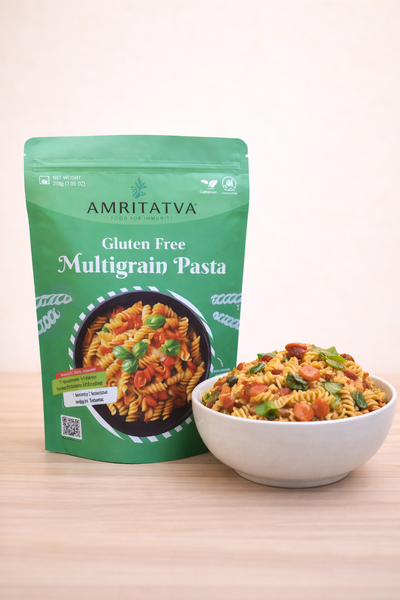
Amritatva Gluten-Free Millet Pasta
Millet pasta + mushroom seasoning. No maida, no MSG. Ready in 15 min.
Shop Now
0 comments