

Key Takeaways
- Alcohol suppresses natural killer cell activity within 30 minutes of consumption and disrupts tight junction proteins in the gut lining for up to 24 hours after a single drinking episode (NEJM, 2017; Alcohol Research, 2020).
- Artificial sweeteners, including sucralose and aspartame, reduce gut microbiome diversity measurably after 2 weeks of daily consumption — a 2022 Cell study on 120 participants found significant shifts in Bacteroides and Lachnospiraceae populations.
- Hidden trans fats (partially hydrogenated oils) in commercial baked goods remain common despite FSSAI's 2% cap — and trans fat intake above 1% of calories increases LDL cholesterol and suppresses HDL simultaneously (WHO technical report, 2023).
- High-caffeine and high-sugar combinations (energy drinks, flavoured coffees) spike cortisol by 30-40% and simultaneously elevate blood glucose, creating a combined inflammatory and metabolic stress response (Harvard T.H. Chan, 2021).
The foods that wreck immunity aren't always the obvious ones. You know about sugar. You know about junk food. This article covers five different culprits: alcohol, high-caffeine-high-sugar combinations, excess dairy in sensitive individuals, artificial sweeteners, and hidden trans fats in baked goods. Each damages immune function through a distinct mechanism. Understanding the mechanism helps you decide how much each matters for your situation.
Alcohol: The Gut Barrier Disruptor
Alcohol damages immunity at the gut level first. Ethanol and its metabolite acetaldehyde disrupt the tight junction proteins that keep the intestinal barrier sealed. When these proteins loosen, bacterial endotoxins (lipopolysaccharides) leak from the gut into the bloodstream — triggering systemic inflammation. A 2020 paper in Alcohol Research quantified this: tight junction disruption is measurable within 2 hours of moderate alcohol intake and persists for 24 hours. Natural killer cell activity drops within 30 minutes of a drinking episode (NEJM, 2017).
The frequency effect compounds this. Chronic drinking depresses innate immunity consistently; intermittent drinking creates episodic immune suppression windows. The two-day immunity window after weekend drinking is real and documented. If you're managing gut health or recovering from illness, the 24-48 hours post-alcohol are genuinely vulnerable periods.
High-Caffeine and High-Sugar Combinations
Coffee alone is not the problem — moderate black coffee has documented antioxidant properties. The combination of high caffeine and high sugar in energy drinks, flavoured lattes, and commercially sweetened coffee drinks is a different story. Caffeine spikes cortisol; sugar spikes glucose. Together, they drive a dual stress response: cortisol suppresses the production of cytokines needed for immune signalling, while elevated glucose competitively inhibits Vitamin C uptake by white blood cells (the GLUT transporter used by both).
A 2021 Harvard T.H. Chan analysis found cortisol elevation of 30-40% following high-caffeine-sugar combinations, lasting 4-6 hours. This is particularly relevant on an empty stomach in the morning — a common habit that drives the cortisol spike higher because there's no food-derived glucose to moderate the glycaemic response.
Excess Dairy in Sensitive Individuals
Roughly 65% of adults globally develop some degree of lactose intolerance after childhood (NIH, 2018), and in South Asian populations the prevalence is 60-70%. Lactase enzyme activity declines after age 5 in most humans — this is the biological default, not the exception. For people in this majority, consuming large amounts of dairy produces undigested lactose that ferments in the colon, causing gas, bloating, and localised intestinal inflammation. The inflammation from repeated lactose fermentation reduces the diversity of the gut microbiome over time.
The immunity connection runs through the gut-immune axis: 70% of immune tissue is gut-associated (GALT), so chronic gut inflammation from dairy intolerance suppresses local and systemic immune function. The solution isn't universal dairy elimination; it's recognising that if you're bloating consistently after dairy, your immune system is paying the cost. Fermented dairy (yogurt, kefir) is partially digested already and tolerated better by many people with lactose sensitivity.
Artificial Sweeteners and Microbiome Disruption
Artificial sweeteners were assumed to be inert — they pass through the gut unabsorbed, so they seemed safe from a metabolic standpoint. That assumption collapsed after a 2022 Cell study enrolled 120 participants across six sweetener conditions (saccharin, sucralose, aspartame, stevia, and two controls). All four non-caloric sweeteners significantly altered gut microbiome composition after 2 weeks, with sucralose and saccharin producing the strongest effects: measurable reductions in Bacteroides and increases in Klebsiella, an opportunistic pathogen. Participants also showed altered postprandial glucose responses, suggesting gut bacteria mediate metabolic response to sweeteners even without direct caloric input.
The practical implication: diet sodas, sugar-free protein bars, low-calorie flavoured yogurts, and "no added sugar" packaged products are not immune-neutral. They're changing your gut composition with every serving.
Hidden Trans Fats in Baked Goods
Trans fats from partially hydrogenated oils (PHOs) raise LDL cholesterol and lower HDL simultaneously, suppress anti-inflammatory prostaglandins, and directly impair macrophage and T-cell function (WHO, 2023). FSSAI capped trans fat content at 2% of total fat in India as of 2022. But several product categories remain at or near that cap: commercial bakery items, puffed snacks made with vegetable shortening, cream-filled biscuits, and industrial margarine-based spreads.
Reading labels for the term "partially hydrogenated" identifies the source directly. Products listing "vanaspati" as an ingredient are also likely trans-fat-containing. The immunity suppression from trans fats is dose-dependent and cumulative — the occasional biscuit is not a problem. Daily consumption as a snack or breakfast staple is.
Try This Product
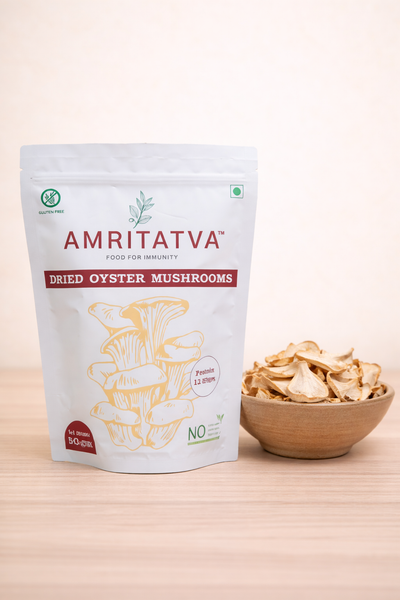
Amritatva Oyster Mushroom Powder
Repair your gut with beta-glucans. No additives, no fillers.
Shop Now →Frequently Asked Questions
Does stopping alcohol completely reverse the immune suppression it causes?
Gut barrier function begins recovering within 1-2 weeks of alcohol cessation for most people. A 2019 Alcohol and Alcoholism study following abstinent individuals for 30 days found measurable improvement in intestinal tight junction protein expression and normalisation of systemic LPS levels within 3 weeks. Natural killer cell counts recover more slowly, typically 4-8 weeks. The reversal is real and substantial, though full microbiome recovery after chronic heavy drinking can take 6-12 months.
Are all artificial sweeteners equally harmful to the microbiome?
No. The 2022 Cell study found stevia and erythritol had smaller microbiome effects than sucralose and saccharin. Monk fruit (luo han guo) extract showed minimal microbiome disruption in available data. Sucralose is the most studied and shows the most consistent negative effect on gut bacteria diversity. If you want a non-caloric sweetener with the lowest documented microbiome impact, stevia or monk fruit are the current best options. All sweeteners should still be used minimally rather than as permanent sugar substitutes.
How do I identify hidden trans fats if the label says "0g trans fat"?
FSSAI (like FDA) allows "0g trans fat" labelling if content is below 0.5g per serving. A product with 3 servings could contain 1.5g trans fat without the label flagging it. Look for "partially hydrogenated" in the ingredients list — this is the definitive indicator of trans fat presence regardless of what the nutrition facts panel says. "Vanaspati ghee" or "vegetable shortening" in Indian packaged products are equivalent terms. Interesterified fats are a newer substitute that avoids the trans fat label but carry their own metabolic concerns still being studied.
For the counterpart: what to eat more of to rebuild the immunity these foods suppress — dried oyster mushrooms added to dal or soups provide beta-glucans that directly restore macrophage activity and support the gut barrier that alcohol and trans fats damage.

0 comments