

Key Takeaways
- Sugar impairs neutrophil function: consuming 100g of glucose (roughly two cans of standard cola) reduced neutrophil bactericidal activity by approximately 50% within 30 minutes, with suppression lasting up to 5 hours (Sanchez et al., American Journal of Clinical Nutrition, 1973).
- Ultra-processed foods constitute 20-50% of daily calorie intake in urban India (Indian Journal of Community Medicine, 2022) and are associated with reduced gut microbiome diversity, which directly impairs immune cell training and response quality.
- A single heavy alcohol episode suppresses immune function for up to 24 hours, reducing the body's ability to mount an initial response to bacterial or viral infection (National Institute on Alcohol Abuse and Alcoholism, 2019).
- The WHO recommends 400g of fruits and vegetables and 25g of dietary fibre daily for adults — both targets most Indian urban diets consistently miss.
Your immune system doesn't take a day off. It processes inputs every hour — infection signals, cellular damage, foreign proteins from food — and the quality of your diet is one of the most controllable variables affecting how effectively it does that work. Some foods actively undermine it. Not because they're toxic, but because the physiological responses they trigger suppress the immune mechanisms you depend on every day.
Five foods appear repeatedly in both the clinical literature and the eating patterns of urban Indians experiencing high rates of lifestyle-related illness.
1. Refined Sugar and Sugary Drinks
The mechanism here is specific. Glucose and fructose in large doses compete with Vitamin C for entry into immune cells, particularly neutrophils. Neutrophils are your first-line immune responders — they engulf and destroy bacteria and cellular debris. They need Vitamin C to function. When blood glucose spikes sharply, Vitamin C loses the competition for cellular uptake, and neutrophil activity drops.
This effect was documented in a 1973 controlled study: consuming 100g of glucose reduced neutrophil bactericidal activity by approximately 50% within 30 minutes. The suppression lasted around 5 hours. A 600ml bottle of standard cola contains roughly 64g of sugar. A commercial tetra pack of "fruit juice" often contains 20-30g. These aren't edge cases — they're everyday consumption for a large share of the population.
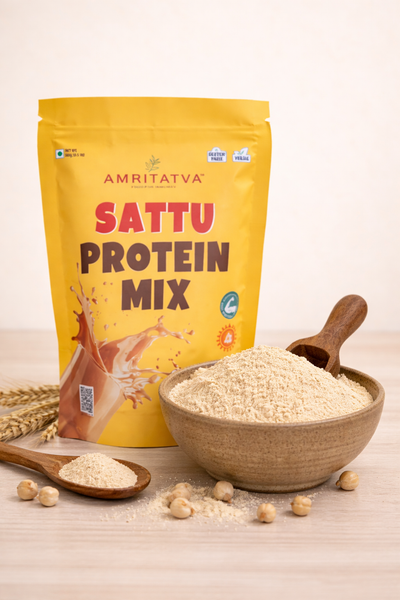
Better choice: Sattu sharbat with lemon and black salt. Two tablespoons of sattu provide 6g protein, 2g fibre, and 3mg iron in a drink that stabilises blood sugar rather than spiking it.
2. Ultra-Processed Snacks
Ultra-processed foods contain ingredients that don't exist in home kitchens: emulsifiers like carrageenan, flavour enhancers like disodium inosinate, modified starches, synthetic preservatives. They're engineered for palatability and shelf life, not nutritional value.
The immunity problem is indirect but significant. These products are typically low in dietary fibre, which is what gut bacteria ferment to produce short-chain fatty acids (SCFAs). SCFAs, particularly butyrate, are the primary fuel for colonocytes (gut wall cells) and are essential for maintaining the gut barrier that prevents bacteria and food proteins from crossing into the bloodstream. Low SCFA production from low-fibre diets leads to a thinner, more permeable gut lining and a less-trained immune system. A 2022 Cell study found that high-fibre diets increased gut microbiome diversity while high-processed-food diets reduced it — and microbiome diversity correlates directly with immune response quality.
Better choice: Roasted makhana, a small handful of mixed nuts, or homemade chivda using puffed amaranth and whole spices. Each provides fibre and micronutrients rather than empty calories and additives.
3. Deep-Fried Fast Food Eaten Frequently
Occasionally, deep-fried food isn't a meaningful immunity concern. Frequently, it is — through two mechanisms. Repeated consumption of refined oils oxidised at high temperatures increases serum levels of advanced glycation end products (AGEs) and oxidised lipids, both of which promote chronic low-grade inflammation. And the high fat content of fried fast food delays gastric emptying significantly, temporarily disrupting gut motility and the microbial environment.
A 2019 BMJ Open study found that frequent fast food consumption (more than 3 times per week) was associated with elevated CRP in urban Indian adults aged 30-50. Elevated CRP indicates the immune system is in a state of low-level chronic activation, which impairs its ability to respond effectively to actual infections. One samosa doesn't cause this. Three fast food meals a week for six months does.
Better choice: Oven-roasted or air-fried alternatives using a thin coat of cold-pressed oil rather than deep frying. The caloric difference is significant; the taste difference is much smaller than expected.
4. Heavily Processed Packaged Meals
Packaged instant noodles and masala mixes often contain 700-900mg sodium per serving, against a daily recommended maximum of 2000mg. High dietary sodium has been shown to suppress anti-inflammatory T-regulatory cell function (Nature Metabolism, 2020) — the immune cells that prevent the immune system from overreacting to routine stimuli. Combined with the refined starch (high GI, near-zero fibre) and absent micronutrients typical of these products, they actively work against the immune mechanisms you need functioning well when eaten regularly.
Better choice: Batch-cook lentils or whole grains over the weekend and use them as the base for quick weekday meals. The prep time once the cooking is already done is similar to instant noodles.
5. Refined Oils at High Heat Daily
Most refined vegetable oils — sunflower, soybean, refined groundnut — have high omega-6 polyunsaturated fat content. Used daily at high cooking temperatures, they oxidise and produce aldehydes and other byproducts. Excessive omega-6 relative to omega-3 in the diet drives a pro-inflammatory state that keeps immune resources occupied managing background inflammation rather than responding to pathogens.
The WHO recommends an omega-6 to omega-3 ratio of approximately 4:1 or lower. Most Indians eating a standard urban diet are at ratios of 15:1 to 20:1. The practical fix: replace some cooking oil use with ghee for high-heat cooking (where saturated fat is stable and doesn't oxidise) and cold-pressed mustard oil for moderate-heat cooking, which has a better polyunsaturated fat profile than refined sunflower oil.
Better choice: Cold-pressed mustard oil for tempering and moderate-heat cooking. Ghee for high-heat preparations. Neither is diet food, but both are more stable at cooking temperatures and produce fewer oxidative byproducts than refined vegetable oils.
Try This Product
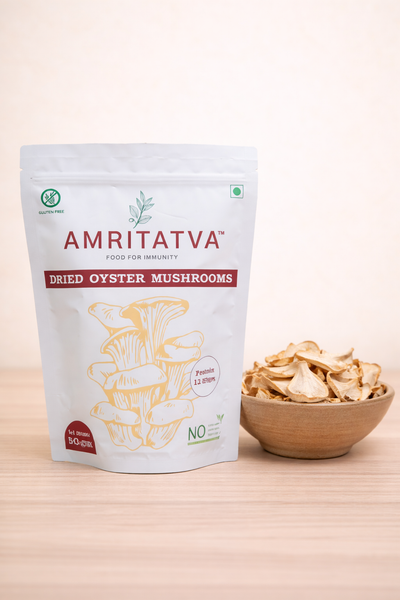
Amritatva Dried Oyster Mushrooms
Beta-glucans and Vitamin D in every spoonful. Add to any dal.
Shop Now →Frequently Asked Questions
Does eating one unhealthy meal damage the immune system?
No. Immune function responds to dietary patterns over time, not individual meals. The neutrophil suppression from a large sugar dose is real but temporary. A single deep-fried meal doesn't meaningfully alter inflammatory markers. What matters is the dietary pattern across weeks and months. Individual meals are almost irrelevant; habitual eating determines immune baseline. This is reassuring (occasional indulgences are fine) and sobering (consistent poor eating has cumulative effects that don't reset with one salad).
Which foods most directly support immune function?
Three categories have the strongest evidence. Foods with beta-glucans (oyster mushrooms, oats, barley) activate macrophage and NK cell responses. Foods with Vitamin C (amla, guava, capsicum) support neutrophil function and barrier tissue maintenance. Fermented foods (curd, kanji, idli/dosa batter) support gut microbiome diversity and GALT immune training. Amla powder in a morning drink, curd with lunch, and occasional mushroom-based dishes covers all three practically and inexpensively.
Is sugar in fruit the same as added sugar?
No. The sugar in whole fruit comes with dietary fibre, water, and micronutrients that slow absorption and blunt the blood glucose response. A whole orange has about 12g of naturally occurring fructose alongside 2.3g of fibre, giving it a GI of around 35-40. The same 12g from a soft drink has no fibre, digests in minutes, and has a much larger glycaemic impact. Fruit consumption isn't associated with the immune-suppressive effects of added sugar. Fresh juice, including "natural" juice, sits closer to added sugar than whole fruit because the fibre has been removed.



0 comments