

Can Plant Protein Support Muscle Building? Here’s What the Evidence Says
If you are trying to build muscle, you do not have to depend exclusively on animal protein. Plant foods can contribute meaningfully to your daily protein intake, provided you eat enough overall protein and include a variety of protein-rich foods.
But there is an important detail that often gets missed.
Plant protein is not automatically equivalent to animal protein gram-for-gram.
Some plant proteins contain lower amounts of certain essential amino acids and may be less digestible. Research also shows that differences between plant and animal proteins can vary depending on the protein source, amount consumed, age and overall diet. Recent evidence suggests that younger adults can achieve similar muscle-protein-synthesis responses in some circumstances, while differences may be more relevant in older adults.
So the better question is not “Can plants build muscle?”
It is:
“How can I build a plant-focused diet that provides enough protein and essential amino acids to support my training?”
What actually makes a muscle-building diet work?
Muscle growth does not come from protein alone.
Resistance training provides the stimulus. Adequate nutrition supplies the building blocks, and recovery gives the body time to adapt.
A practical muscle-building routine therefore involves:
- Regular resistance training
- Adequate total protein
- Sufficient overall energy and nutrients
- A varied diet
- Adequate recovery and sleep
- Consistency over time
Protein is important because the body uses amino acids from dietary protein for many functions, including building and maintaining muscle tissue.
That means simply adding one “high-protein” food to an otherwise unbalanced diet is not a complete muscle-building strategy.
Does plant protein contain all the essential amino acids?
Plant foods contain protein, but their amino-acid profiles differ.
Some plant proteins are relatively lower in particular essential amino acids, and plant proteins can also differ in digestibility. This is one reason researchers often discuss protein quality, protein quantity and food combinations together.
The good news is that you do not need to find one magical plant food containing everything.
A varied diet can include different protein sources across the day.
Think:
Dal + rice
Chana + roti made from suitable flour
Sattu + a balanced meal
Soy + vegetables + grains
Beans + rice
Peanuts + grains
Different foods bring different amino-acid profiles and nutritional qualities to the overall diet.
Is plant protein actually enough for muscle building?
It can be, but “enough” depends on the whole diet.
A 2025 review found that plant-based proteins can support muscle protein synthesis and strength development when consumed in sufficient quantities and with appropriate combinations, while also noting differences in digestibility and amino-acid quality compared with animal proteins.
A 2026 systematic review and meta-analysis comparing plant- and animal-based proteins found that point estimates slightly favoured animal proteins for muscle-protein synthesis overall, but the differences were small and the evidence was limited and heterogeneous. Among younger adults, the responses were similar in the available evidence.
So there is no scientific basis for saying:
“Plant protein cannot build muscle.”
But there is also no reason to pretend that all plant proteins behave identically to whey, milk, eggs or other animal proteins.
The practical answer lies somewhere in between.
Which Indian plant foods can help you increase protein?
You do not need to build your diet around imported “superfoods.”
Indian kitchens already offer many useful protein-containing foods.
Pulses and dals
Moong dal, masoor dal, chana dal and other pulses can contribute protein while also adding variety to meals.
Chickpeas and beans
Chana, rajma, lobia and other legumes can be included in curries, salads, chaat and everyday meals.
Soy foods
Tofu, tempeh and soy-based foods can provide concentrated plant protein.
Sattu
Roasted chana flour is a familiar Indian ingredient that can be used in drinks, doughs, fillings and savoury preparations.
Nuts and seeds
Peanuts, sesame, pumpkin seeds and other seeds can contribute protein along with fats and other nutrients.
Whole grains and millets
Millets and grains contribute some protein too, although their protein content alone may not make them the primary protein source in a muscle-building meal.
The key is combination and variety, rather than expecting one food to do everything.
What does a practical Indian plant-protein meal look like?
You do not need a complicated fitness bowl.
A regular Indian meal can be adapted quite easily.
For example:
Breakfast:
Sattu drink + fruit + a balanced breakfast
Lunch:
Dal + rice or roti + sabzi + salad
Pre- or post-workout meal:
Sattu-based preparation or another convenient protein-containing food, depending on your overall dietary needs
Dinner:
Moong/rajma/chana + vegetables + rice or suitable roti
Snack:
Roasted chana, peanuts or a suitable seed-based snack
For people following a gluten-free diet, the grain component can be adapted using rice, certified gluten-free ingredients, millets or other suitable alternatives.
Can plant protein be convenient for people who exercise?
Yes.
Fitness nutrition does not have to mean measuring every ingredient or preparing elaborate meals every day.
For someone heading to the gym before work, a student attending sports practice, or a family managing school and office schedules, convenience matters.
This is where familiar foods in convenient formats can become useful.
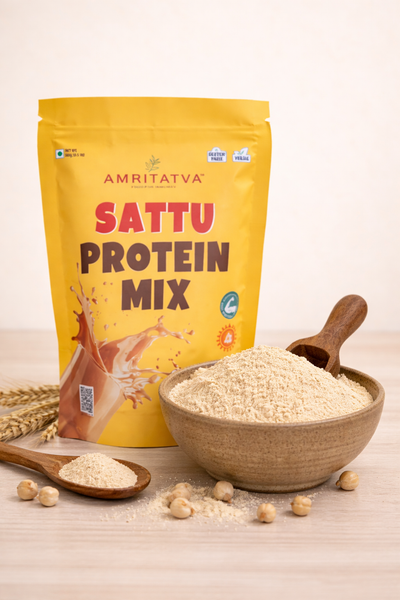
For example, Amritatva Sattu Protein Mix can be incorporated into a drink or other everyday preparation as one part of a broader diet. It should not be treated as a substitute for a complete diet or a replacement for professional sports-nutrition advice.
The goal is simple:
Make nutritious food easier to include consistently.
Plant Protein vs Animal Protein: What should you know?
| Point | Plant Protein | Animal Protein |
|---|---|---|
| Protein sources | Pulses, soy, chickpeas, nuts, seeds, grains | Dairy, eggs, fish, meat |
| Amino-acid profile | Varies significantly by food | Generally high-quality, but also varies by source |
| Digestibility | Varies by source and preparation | Often higher, depending on source |
| Fibre | Many whole plant foods provide fibre | Most animal foods contain little or no fibre |
| Variety | Combining different plant foods can improve overall protein quality | A variety of animal sources can also contribute different nutrients |
| Muscle building | Can support muscle building when total protein and overall nutrition are adequate | Can support muscle building effectively |
| Main consideration | Protein quantity, variety and quality | Overall diet, protein quantity and food quality |
The comparison is not about declaring one category universally “better.”
Your total diet, training, health needs and dietary preferences matter.
Does eating more plant protein automatically improve recovery?
Not necessarily.
Plant foods can provide protein along with other nutrients, but it would be inaccurate to say that simply switching protein sources automatically improves recovery or digestion.
Recovery is influenced by many factors, including training load, total nutrition, hydration, sleep and rest.
If you are experiencing digestive discomfort after changing your diet, the solution is not necessarily to assume that one protein source is responsible. Portion size, fibre intake, preparation methods and individual tolerance can all matter.
How can you make plant protein work better in your diet?
Try these practical habits:
1. Think about the whole day
Do not focus only on one post-workout meal. Look at your total daily protein intake.
2. Include different protein sources
Rotate dal, chana, beans, soy, sattu, nuts and seeds rather than depending on one food.
3. Combine foods sensibly
Traditional combinations such as dal with rice or legumes with grains can contribute to a varied amino-acid intake.
4. Pay attention to preparation
Cooking, soaking, fermentation and other common food-processing methods can influence the digestibility and nutritional quality of plant proteins.
5. Train consistently
Food cannot replace resistance training when the goal is muscle development.
6. Give recovery equal importance
Muscle-building is a long-term process, not something created by one protein shake or one meal.
What should you remember if you want to build muscle on a plant-focused diet?
You don't need to fear plant protein.
But you also don't need to turn it into a new myth.
Plant protein can be part of an effective muscle-building diet.
The important questions are:
Are you eating enough protein overall?
Are you eating a variety of protein sources?
Are you doing regular resistance training?
Are you eating enough overall to support your goals?
Are you recovering properly?
For people following a fully plant-based diet, careful attention to protein quantity and food variety becomes particularly useful because protein quality and amino-acid composition vary between plant foods.
How can you use plant protein in everyday Indian cooking?
Forget complicated fitness recipes.
Try familiar foods:
- Sattu sharbat for a convenient protein-containing drink
- Sattu paratha or filling using suitable gluten-free flour if required
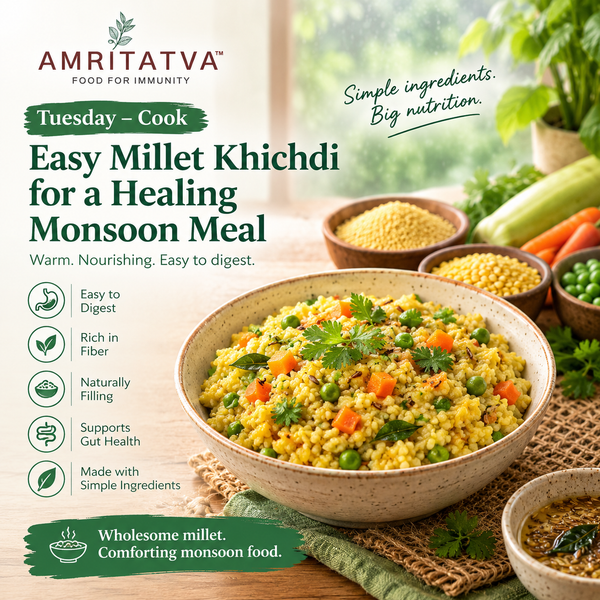
- Moong dal khichdi with vegetables
- Chana chaat with vegetables and lemon
- Dal with rice
- Rajma with rice
- Soy/tofu vegetable preparation
- Roasted chana and peanut snacks
- Millet-based meals paired with dal or legumes
This is where nutrition becomes sustainable.
Food that fits your existing kitchen is often easier to repeat than food that requires an entirely new lifestyle.
Frequently Asked Questions
Can vegans build muscle with plant protein?
Yes. A vegan diet can provide protein from foods such as pulses, soy, chickpeas, nuts, seeds and grains. The important considerations are total protein intake, variety, protein quality, resistance training and overall nutrition. Research suggests plant proteins can support muscle protein synthesis and strength when consumed adequately, although their amino-acid composition and digestibility vary by source.
Is plant protein as good as animal protein for muscle growth?
The answer depends on the protein source, amount, age and overall diet. Some animal proteins provide more readily available essential amino acids per gram, but research does not support the idea that plant protein cannot support muscle growth. Recent evidence suggests differences can be relatively small in younger adults, while some differences may become more relevant with ageing.
Which Indian foods are good sources of plant protein?
Indian diets offer many protein-containing foods, including dal, chickpeas, rajma, lobia, soy foods, sattu, peanuts and seeds. Rather than relying on one ingredient, include a variety of these foods across meals. Pairing pulses or legumes with grains can also make practical sense within a varied Indian diet.
Can sattu help with a muscle-building diet?
Sattu is roasted gram flour and can contribute protein to the diet. It can be used in traditional drinks, parathas, fillings and other preparations. However, whether a particular sattu product provides enough protein for your individual goals depends on the product's nutrition profile and the amount consumed. It is best considered one part of an overall protein-rich eating pattern.
Do I need protein supplements to build muscle?
Not necessarily. Protein supplements can be convenient, especially when meeting protein needs through food is difficult, but muscle building does not inherently require a supplement. Pulses, soy, chickpeas, sattu, nuts, seeds and other protein-containing foods can contribute to daily intake. Individual requirements vary, particularly for athletes and people with specific nutritional goals.
What should I eat after a workout if I follow a plant-based diet?
A post-workout meal can include a protein-rich plant food along with carbohydrates and other foods appropriate to your overall diet. Examples include dal with rice, a sattu-based preparation, tofu with rice or a legume-based meal. The overall daily protein intake and diet matter more than treating one post-workout meal as the sole determinant of muscle growth.
Strong Nutrition Doesn't Have to Be Complicated
Building muscle is not about finding one perfect protein source.
It is about training consistently, eating adequately, choosing a variety of foods and giving your body time to recover.
Plant protein can absolutely have a place in that routine.
And for an Indian kitchen, that does not have to mean completely changing the way you eat.
Sometimes it means looking again at the foods that have already been part of our kitchens for generations:
Dal. Chana. Sattu. Soy. Peanuts. Seeds. Millets.
At Amritatva, we believe nutrition should be practical enough to fit into real everyday meals.
Strong nutrition doesn't need to be extreme.
It needs to be consistent.
0 comments