

Why Are More People Rethinking Processed Foods?
Processed food is not new.
Milling wheat into flour, drying vegetables, fermenting foods, making curd, or roasting grains are all forms of food processing.
So the real question is not:
“Is processed food good or bad?”
It is:
“How processed is the food, what has been added to it, and how often does it appear in our diet?”
This question is becoming more relevant as highly processed convenience foods become increasingly available around the world, including in India. WHO notes that changing lifestyles and the greater availability of highly processed foods are influencing dietary patterns.
At the same time, consumers are becoming more interested in ingredients, labels, traditional foods and simpler everyday meals.
So, what is behind this change in thinking?
What Is the Difference Between Processed and Ultra-Processed Food?
This distinction matters.
Processed food can simply mean that a food has been changed from its original form.
For example:
- Rice being milled
- Chana being roasted and ground into sattu
- Vegetables being frozen
- Milk being pasteurised
- Grains being ground into flour
These processes can make food safer, easier to store or easier to prepare.
Ultra-processed foods, however, are generally industrial formulations made through multiple processing steps and may contain refined ingredients and additives. WHO describes their increasing presence in global food systems as an important nutrition and food-policy issue.
That is why simply saying “avoid all processed food” is too simplistic.
Why Are Consumers Looking More Closely at Ingredients?
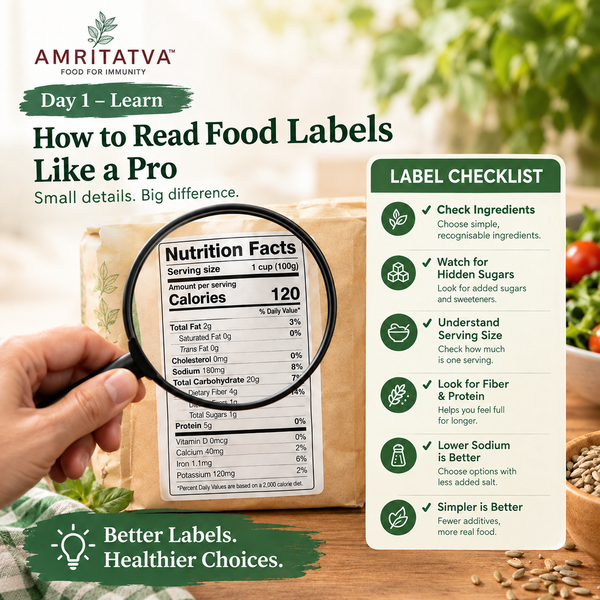
One major change is that people are becoming more comfortable reading food labels.
Instead of choosing a product only because the front says healthy, natural or light, consumers can look at:
- The ingredient list
- Serving size
- Added sugars
- Sodium
- Fat content
- Fibre
- Protein
- Allergens
- The overall nutrition profile
WHO recommends that healthy diets be based on adequacy, balance, moderation and diversity, with minimally processed and unprocessed foods forming an important foundation.
The label therefore becomes more than a compliance panel.
It becomes a tool for making an informed choice.
Is Convenience the Problem?
Not necessarily.
Convenience is a real part of modern Indian life.
Between office hours, school tiffins, travel, household responsibilities and busy evenings, very few families can prepare everything completely from scratch.
The better question is:
Can convenience and sensible food choices exist together?
They can.
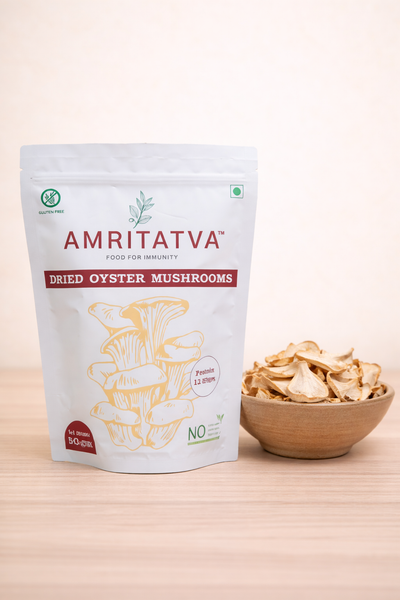
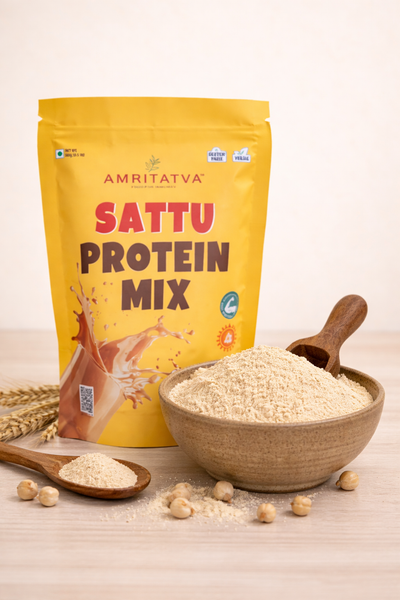
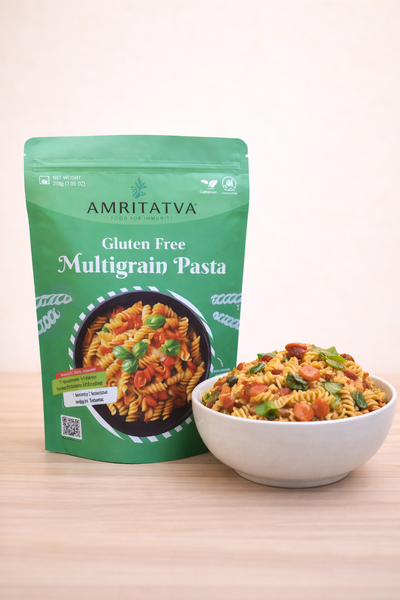
A packet of roasted sattu, a simple millet mix, dried mushrooms or a gluten-free pasta can all save preparation time.
What matters is understanding the ingredients and how the product fits into the overall diet.
Why Are Traditional Indian Foods Coming Back Into Focus?
Perhaps the most interesting part of this conversation is that the solution does not always have to be something new.
Many Indian kitchens already have ingredients that fit naturally into a varied diet.
Think about:
Sattu.
Millets.
Dal.
Chana.
Moong.
Vegetables.
Spices.
Fermented foods.
These ingredients have long been part of Indian food traditions.
WHO's healthy-diet guidance specifically includes pulses and whole grains among important sources of carbohydrates and nutrients. Millets are also listed among examples of whole grains.
The opportunity today is to make these familiar foods more convenient without losing the connection to everyday Indian eating.
Does Eating Less Processed Mean Giving Up Packaged Food?
No.
This is where the conversation often becomes unnecessarily complicated.
You do not have to choose between:
“Everything homemade”
and
“Everything packaged.”
There is a middle ground.
A practical approach is to compare products, read labels and choose foods that fit your needs.
A Simple Way to Think About Food Choices
| Instead of only asking… | Also ask… |
|---|---|
| Is this packaged? | What ingredients does it contain? |
| Is this processed? | What type of processing was used? |
| Does the front say “healthy”? | What does the nutrition panel say? |
| Is it convenient? | Does it fit my regular eating pattern? |
| Is it traditional? | Does it provide variety and nutritional value? |
There is no single food that makes a diet healthy or unhealthy.
The overall eating pattern matters.
What Does This Mean for Indian Families?
For Indian households, mindful eating does not need to mean adopting complicated global wellness trends.
It can look much simpler.
A bowl of dal with rice.
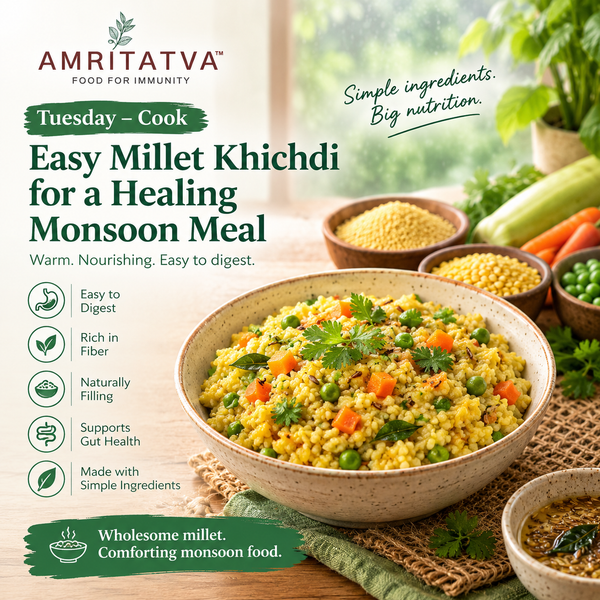
Millet khichdi with vegetables.
Sattu mixed into a traditional drink.
A home-cooked sabzi.
A simple tiffin.
Or a convenient packaged product whose ingredients you have actually taken the time to understand.
The goal is not perfection.
It is awareness + variety + balance + practicality.
How Can You Make More Mindful Food Choices?
Start with five simple habits:
1. Read the ingredient list.
Do not rely only on the front of the pack.
2. Compare similar products.
Look at serving size, ingredients and nutrition information.
3. Keep familiar foods in your routine.
Dal, pulses, vegetables, fruits and whole grains can form the foundation of everyday meals.
4. Use convenience intelligently.
Choose products that genuinely make cooking easier without assuming that every convenient product is automatically unhealthy.
5. Think about your overall diet.
One ingredient or one packaged product does not define your complete eating pattern.
WHO similarly emphasises variety, balance, moderation and diversity rather than a single “perfect” food.
What Does This Mean for Amritatva?
At Amritatva, our approach is simple:
Make familiar food more convenient while keeping the ingredients clear.
Our range includes sattu protein mix, oyster mushroom powder, gluten-free pasta, gluten-free noodles and seasonings.
The idea is not to tell people to stop eating packaged food.
It is to create convenient options that can fit into real Indian kitchens — from breakfast and tiffin to quick dinners and everyday cooking.
Because food should not have to feel complicated to feel thoughtful.
Read the label. Understand the ingredients. Choose what works for you.
That is a more practical way to think about mindful eating.
Frequently Asked Questions
Is all processed food unhealthy?
No. Processing includes many ordinary methods such as milling, drying, fermenting, freezing and pasteurisation. These do not automatically make a food unhealthy. The type and extent of processing, the ingredients used, the nutritional profile and the role of the food in your overall diet all matter.
What is the difference between processed and ultra-processed food?
Processed foods can involve relatively simple changes to food, such as drying, milling or cooking. Ultra-processed foods are generally industrial formulations involving multiple processing steps and often refined ingredients or additives. The terms should therefore not be treated as interchangeable.
**Should I stop eating packaged food?
Not necessarily. Packaged food can provide convenience and can include a wide range of products with very different nutritional profiles. Instead of avoiding everything packaged, read the ingredient list and nutrition information and consider how the product fits into your overall eating pattern.
Are traditional Indian foods healthier than modern foods?
Not automatically. Traditional foods can provide nutritious ingredients such as pulses, whole grains, vegetables and spices, but preparation methods and overall dietary balance still matter. A better approach is to appreciate traditional foods while also considering portion size, variety, ingredients and individual nutritional needs.
**How can I eat less ultra-processed food?
Start by building more meals around minimally processed foods such as vegetables, fruits, pulses and whole grains. When buying packaged products, compare ingredient lists and nutrition information. You do not need to eliminate every packaged food; the aim is to create a varied and balanced overall diet.
Why is reading food labels important?
Food labels provide information that the front of the pack may not show completely. Checking ingredients, serving size and nutrition information can help you compare products and make choices based on your own dietary requirements and preferences.
A Better Way to Think About “Clean Eating”
Maybe the future of food is not about “processed versus unprocessed.”
Maybe it is about becoming more informed.
Knowing what is in your food.
Understanding how it was made.
Keeping traditional foods in your routine.
Using convenience when it genuinely helps.
And building meals around variety, balance and nourishment.
At Amritatva, we believe mindful food choices should work in real Indian kitchens — not just on social media.
Simple food. Clear ingredients. Practical choices.
0 comments