

Key Takeaways
- Maida (refined wheat flour) has a glycaemic index of 70-75, placing it in the high-GI category that triggers rapid blood glucose spikes followed by energy crashes within 1-2 hours of eating.
- Withdrawal-like cravings for refined flour in the first 2-3 days are a documented phenomenon: highly palatable, high-GI foods activate dopamine pathways similarly to other rewarding stimuli, making initial reduction uncomfortable but temporary.
- Dietary fibre intake typically doubles or triples when maida is replaced with whole grains and millets, and improvement in digestive comfort is often noticeable within 3-5 days.
- The most useful outcome of a maida elimination experiment isn't permanent abstinence — it's developing direct awareness of how specific foods affect your energy and digestion hours after eating them.
I didn't plan this experiment. I just looked at what I'd been eating for the previous week — white bread at breakfast, instant noodles for lunch, a biscuit in the afternoon, maida pasta for dinner — and realised refined flour had quietly taken over without my noticing. So I cut it for seven days. Not as a detox, not as a diet. Just to see what actually changed.
Day 1-2: Normal, Then Not
Day 1 was easy. Jowar roti for breakfast. Dal and rice at lunch. A small portion of roasted makhana in the afternoon. Nothing felt like a sacrifice because the meals were familiar and genuinely filling.
Day 2 was when the cravings appeared. Not hunger exactly — I was eating enough. Something more specific: a pull toward the particular texture and palatability of refined flour foods. The soft chew of white bread. The comfort of a biscuit. These cravings are real. High-GI foods activate dopamine pathways and habitual eating runs on cue-reward cycles that don't dissolve in 24 hours. I replaced the biscuit with a sattu laddoo made with dates and sesame. It helped, partly because it was genuinely satisfying and partly because it gave me something to do with the craving rather than just resist it.
Day 3: Something Shifted
Day 3 was the first day I noticed a digestive change. Less bloating after meals. The familiar heaviness that sometimes sat in my stomach after a maida-heavy lunch was absent. Jowar roti with subzi and a bowl of dal left me full but not stuffed.
The fibre numbers explain this. Jowar contains 2.4g of dietary fibre per roti (approximately 40g flour). A maida roti at the same weight contains 1.2g. Double the fibre means slower gastric emptying, more fermentation substrate for gut bacteria, and less of the rapid transit that leaves the digestive system with little to work with. The difference isn't dramatic at any single meal, but across three meals a day it accumulates into something noticeable by the third day.
Day 5: More Stable Energy
By Day 5 I was paying attention to energy levels carefully, and something was noticeably different. Not more energy — more steady energy. The post-lunch slump I'd accepted as normal for years was less pronounced. I didn't reach for tea at 3pm out of sluggishness; I had it because I wanted it.
The explanation is the GI shift. Maida has a GI of 70-75. Jowar is around 50-55. That 20-point difference means glucose enters the bloodstream more gradually after a millet-based meal, the insulin response is proportionally smaller, and blood glucose doesn't drop as sharply afterward. The result is stable energy for longer — the biology is straightforward, even if noticing the difference in daily experience takes a few days of consistent eating.
I was also snacking less. Not because I was suppressing appetite, but because I wasn't genuinely hungry at the same times. Meals were sustaining me longer before hunger returned.
Day 7: The Most Useful Change Was Awareness
By Day 7, the most valuable thing the experiment had done wasn't physical. It was attentional. I was noticing how food made me feel one, two, three hours after eating — not just during the meal. That's not something you do automatically. It takes disrupting the default pattern long enough to observe the contrast.
The digestive improvement was real but incremental. The energy improvement was real but not transformative on its own. The awareness was genuinely different. Knowing from direct experience that certain foods produce a specific post-meal feeling — and having tested that by removing them and observing the gap — made subsequent food choices less automatic. Not with moral weight, not with every meal, just with more information available at the moment of deciding.
What I'd Do Differently
Seven days is enough to notice the energy and digestive effects. It's not enough to shift ingrained habits. I'd extend to 21 days, which is a more realistic period for automatic behaviours to begin changing. I'd also plan the substitute foods more carefully before starting — the Day 2 cravings were manageable but would have been easier with more interesting alternatives already in the kitchen.
I'm not saying never eat maida again. That's neither realistic nor the point. Reducing it from daily to occasional, and substituting it with jowar, bajra, ragi, or millet alternatives for most meals, is straightforward enough once you've done the trial and seen what the difference actually feels like. The experiment doesn't tell you what to eat permanently. It gives you data about your own body that's more reliable than any general recommendation.
Frequently Asked Questions
Is seven days enough to see real changes from cutting maida?
For digestive effects — reduced bloating, better regularity — 3-5 days is usually sufficient. For energy effects, 4-7 days. For changes in habitual cravings and eating patterns, 3-4 weeks is more realistic. Seven days gives you a useful signal about how your body responds to the dietary shift without requiring a long-term commitment. Use the experiment as diagnostic data, not as a sufficient period for long-term health benefit, which requires sustained change over months.
What's the easiest maida replacement for Indian cooking?
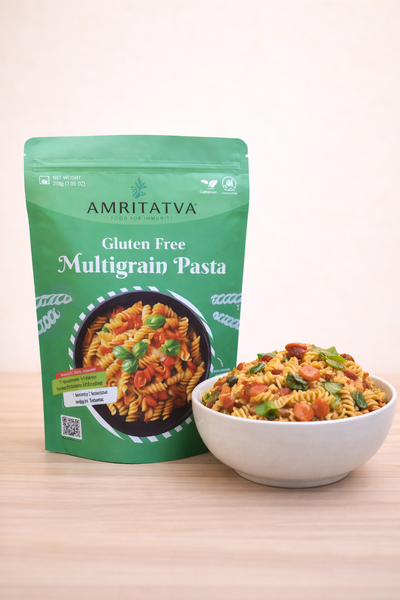
Jowar (sorghum) flour is the most straightforward substitution for rotis. It behaves similarly to wheat flour, requires minimal recipe adjustment, and has a mild flavour that works with most savoury fillings. Ragi flour has a stronger flavour that some people prefer and others need time to adjust to. For pasta and noodles, millet-based products like Amritatva's multigrain pasta require no cooking adjustment relative to regular pasta. Start with jowar rotis as the simplest daily substitution, then expand from there.
Does cutting maida help with weight loss?
Sometimes, indirectly. The lower GI of whole grain alternatives reduces postprandial hunger, which can lead to naturally eating less at subsequent meals. The higher fibre content increases satiety per calorie. Neither mechanism is powerful enough to produce significant weight loss on its own — energy balance over time determines weight outcomes, not any single food choice. What cutting maida typically produces is stable energy without spikes, reduced bloating, and slightly later hunger signals — which some people find makes eating less overall easier without active restriction.
Try This Product
Amritatva Gluten-Free Millet Pasta
Millet pasta + mushroom seasoning. No maida, no MSG. Ready in 15 min.
Shop Now


0 comments