

Key Takeaways
- Maida pasta has a glycaemic index of 50-65 cooked al dente, rising to 70-75 when overcooked — high GI territory that triggers significant postprandial blood glucose spikes followed by energy crashes (Harvard T.H. Chan School of Public Health GI database).
- Millet-based multigrain pasta has a GI of 40-55, reducing the postprandial glucose peak by 20-30% compared to refined flour pasta — primarily because whole grains contain 6-8g dietary fibre per 100g versus 2-3g in maida (Journal of Cereal Science, 2018).
- Glycaemic load (GL) per serving is a more practical measure than GI alone. At 100g dry weight, multigrain pasta has a GL of roughly 18-22, versus 26-32 for maida pasta — a meaningful difference for blood sugar management and satiety.
- Cooking method matters: overcooking increases GI in any pasta. Pulling multigrain pasta 1 minute before the suggested time and finishing in the sauce preserves the GI advantage and improves texture.
Maida pasta and multigrain pasta can look nearly identical in a bowl. The difference shows up in your blood glucose about 45 minutes after eating, and in whether you're genuinely hungry again two hours later. The glycaemic index doesn't describe taste or texture. It describes how quickly a food raises blood sugar — and the gap between refined pasta and whole-grain pasta on this measure is significant enough to affect daily energy, hunger cycles, and long-term metabolic health.
Glycaemic Index: What It Measures and What It Doesn't
The glycaemic index ranks foods 0-100 based on how quickly a 50g carbohydrate portion raises blood glucose relative to pure glucose (GI = 100). Below 55 is low GI. 56-69 is medium. 70 and above is high. High-GI foods release glucose rapidly, causing a sharp blood sugar spike followed by a proportional insulin response. Low-GI foods release glucose more gradually, keeping blood sugar stable longer.
GI alone doesn't capture portion size, though. A food with a moderate GI eaten in a large quantity can have a higher total glucose impact than a high-GI food eaten in a small portion. This is why researchers also use glycaemic load (GL), which multiplies GI by the grams of carbohydrate in a portion and divides by 100. A GL below 10 is low; 10-19 is medium; 20 and above is high. For pasta, GL is the more practical number because people eat 80-120g servings, not the 50g reference amount used for GI testing.
Maida Pasta: What the Numbers Show
Refined wheat flour (maida) is processed to remove the bran and germ, leaving primarily the starchy endosperm. This removes most of the dietary fibre, B vitamins, and minerals. The remaining starch digests quickly because the fibre that would slow digestion has been stripped away.
Maida pasta cooked al dente has a GI of around 50-65. Overcooked, it can reach 70-75 — because the starch gelatinises further, making it even easier for digestive enzymes to break down. At 100g dry weight, maida pasta contains roughly 74g of carbohydrate and 2-3g of fibre. The glycaemic load per serving sits around 26-32, firmly in the high range.
After eating a maida meal, blood glucose typically peaks at 45-60 minutes then drops relatively sharply. This drop triggers hunger signals and cravings for more carbohydrates. The afternoon slump many people experience after a pasta lunch is partly this glucose-insulin cycle playing out predictably.
Multigrain Pasta: What Changes and Why
Multigrain pasta made from millet and amaranth retains the fibre, protein, and micronutrient content that refining removes. Foxtail millet has a GI of around 50. Finger millet (ragi) is approximately 57. Pearl millet (bajra) is around 54. Amaranth is approximately 54. All are lower than refined wheat. Combined in a multigrain formulation, the resulting pasta has a GI of 40-55 depending on the blend and how long it's cooked.
The main mechanism is dietary fibre. At 6-8g per 100g, the fibre in multigrain pasta slows gastric emptying and creates a more viscous environment in the small intestine, reducing the rate of glucose absorption into the bloodstream. The protein content also contributes — millet provides 8-11g per 100g, amaranth 13-14g, both significantly higher than maida at 10g. Protein digestion is slow and further moderates the glycaemic response. The practical result: more gradual blood glucose rise, smaller peak, slower decline, and stable energy for 3-4 hours rather than 1-2.
GI Reference: Common Indian Carbohydrates
Approximate glycaemic index values for comparison:
- Maida roti: 70-75 (high)
- Maida pasta, overcooked: 70-75 (high)
- Maida pasta, al dente: 50-65 (medium to high)
- White rice: 64-72 (medium to high)
- Whole wheat roti: 54-62 (medium)
- Multigrain pasta, millet-based: 40-55 (low to medium)
- Chana sattu: 40 (low)
- Whole oats: 42-55 (low to medium)
- Red lentils (masoor dal): 21-30 (low)
Sources: Harvard T.H. Chan School of Public Health GI database, ICMR Indian Food Composition Tables 2017, Journal of Cereal Science 2018.
Practical Implications
For people without blood sugar conditions, the difference might sound abstract. In practice it shows up in how you feel two to three hours after a pasta meal. Stable blood sugar means sustained energy and delayed hunger. Unstable blood sugar means the post-lunch slump, the 3pm craving for something sweet, and the larger dinner that often follows.
For people managing type 2 diabetes, prediabetes, or PCOS — conditions involving insulin resistance — the GI difference is clinically significant. A 2018 meta-analysis in the Journal of Nutrition found that low-GI diets reduced HbA1c (long-term blood sugar control) by 0.5 percentage points on average in people with type 2 diabetes. That's equivalent to the impact of some medications at the lower end of the treatment spectrum.
Frequently Asked Questions
Does multigrain pasta cook differently from regular pasta?
It can. Millet-based pasta typically needs 8-10 minutes and benefits from being pulled 1 minute before the package recommendation, then finished briefly in the pan with sauce. Multigrain pasta absorbs sauce well and holds its shape when cooked al dente. If overcooked, it can become slightly stickier than maida pasta. Checking it every minute from the 7-minute mark is a reliable approach for the first few preparations.
Is low GI the same as low carbohydrate?
No. A low-GI food can have exactly the same total carbohydrate as a high-GI food — the difference is how quickly that carbohydrate converts to blood glucose. A low-carb diet and a low-GI diet are different approaches that overlap in some foods. For most people seeking stable energy without eliminating carbohydrate groups entirely, a low-GI approach is more practical and sustainable long-term than strict carbohydrate restriction.
Does eating multigrain pasta cause weight loss?
Not directly — no single food does. What multigrain pasta can do is reduce postprandial hunger through its lower GI and higher fibre, which may reduce total calorie intake across the day without deliberate restriction. Studies on low-GI diets generally show modest weight reduction effects of 0.5-1.5 kg over 12 weeks compared to high-GI equivalents when calorie intake is otherwise equal. The practical benefit is staying full longer, which makes it easier to eat less at the next meal without effort.
Try This Product
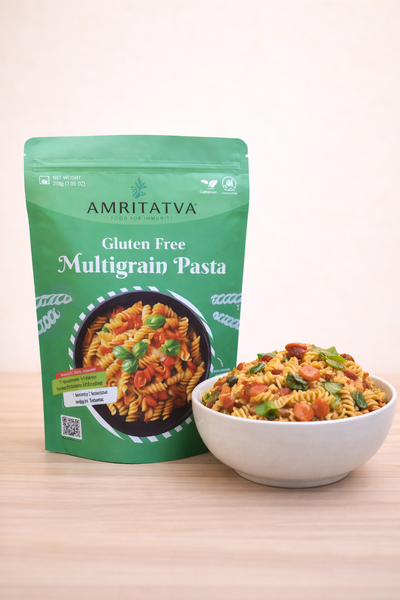
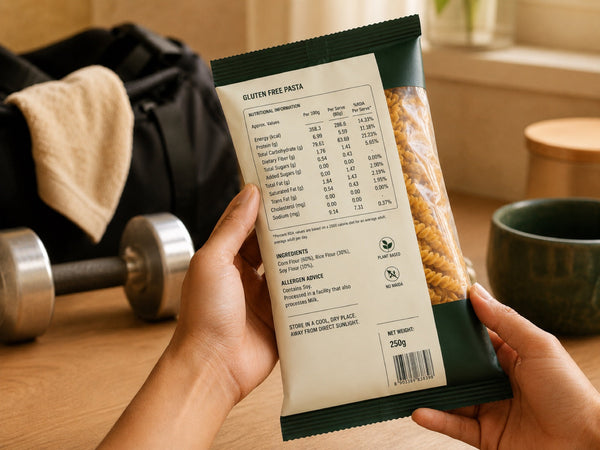
Amritatva Gluten-Free Millet Pasta
Millet pasta + mushroom seasoning. No maida, no MSG. Ready in 15 min.
Shop Now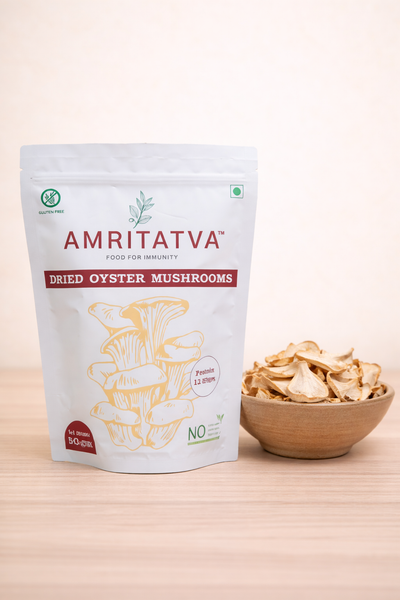

1 comment
Perfectly explained 👌
Most people only focus on calories, but GI is the real game changer for energy, cravings & long-term health.
That’s exactly why switching from maida to fibre-rich options like multigrain (or even millet-based foods) can make a huge difference.
Small choices = big impact 💚