

Key Takeaways
- Regular noodles made from maida have a glycaemic index of 50–70 and provide minimal dietary fibre. Amritatva millet-blend noodles have a lower GI, provide 4–6g fibre per serving, and are made from ingredients with named nutritional profiles rather than refined flour.
- Maida-based noodles are made from wheat stripped of its bran and germ — removing the fibre, B vitamins, and minerals that whole wheat contains, leaving primarily starch with minimal nutrient density.
- Gluten affects approximately 10% of Indians through either celiac disease (11.1% prevalence, higher than the global average, per PubMed/AIIMS research) or non-celiac gluten sensitivity — making a gluten-free alternative nutritionally relevant, not just a trend.
- The energy difference between maida noodles and millet-blend noodles is measurable: maida causes a blood glucose spike followed by a crash; millet's arabinoxylan fibre and lower GI produces sustained energy release over 2–3 hours.
Most noodle comparisons focus on taste. This one focuses on what the noodles actually do to your body after you eat them. Maida-based noodles are a staple of Indian instant and packaged food culture — convenient, affordable, familiar. But maida (refined wheat flour) is wheat stripped of its bran and germ: the parts that contain fibre, B vitamins, iron, and most of wheat's nutritional value. What remains is primarily starch, which digests quickly, spikes blood glucose, and provides little to sustain energy or feed the gut microbiome. The comparison isn't whether Amritatva noodles taste different. It's whether the ingredient choices serve your health or just your convenience.
Ingredients: What's Actually in Each
Regular instant or packaged noodles in India are made from maida, with palm oil or refined vegetable oil, various additives including sodium carbonate (for texture), synthetic flavour packets containing MSG, disodium inosinate, and anti-caking agents. A typical 75g serving provides around 10–12g protein, less than 1g dietary fibre, and a GI in the 50–70 range. Amritatva millet-blend noodles use jowar, bajra, amaranth, and rice flour — naturally gluten-free whole grains — with no synthetic additives, MSG, or preservatives. The same 75g serving provides 4–6g dietary fibre and a meaningfully lower glycaemic load. FSSAI Licence 22222046000640 appears on every pack — verifiable, not just claimed.
Digestion: Why Millet Behaves Differently in the Gut
Maida digests rapidly because it's primarily starch with minimal fibre. Digestion begins in the mouth with amylase and is largely complete in the small intestine within 1–2 hours. Blood glucose peaks sharply, insulin spikes, and energy drops as glucose is cleared. Millet-blend noodles contain arabinoxylan fibre — a fermentable fibre that slows gastric emptying, reduces glucose absorption rate, and feeds gut bacteria that produce butyrate, a short-chain fatty acid that regulates intestinal inflammation. The gut experience after eating millet noodles isn't just "less bloating." The entire digestive trajectory is different: slower absorption, more sustained energy, and prebiotic benefit for the gut microbiome rather than rapid clearance.
Nutrition Side by Side
Per 75g serving (dry weight), approximate values:
- Maida instant noodles: ~280 kcal, 10–12g protein, 0–1g fibre, GI 50–70, no functional nutrients beyond basic macros
- Amritatva millet noodles: ~260–280 kcal, 10–12g protein, 4–6g dietary fibre, lower GI, arabinoxylan fibre for gut health, naturally gluten-free
The calorie and protein numbers are similar. The difference is in fibre content and glycaemic behaviour — the factors that determine sustained energy and gut health rather than just immediate fuel. For the 10% of Indians with gluten sensitivity or celiac disease, the difference also includes the elimination of a compound that actively damages the gut lining with every meal.
Energy: The Spike vs Slow-Release Difference
The blood glucose response to maida creates a predictable pattern: energy within 30–45 minutes of eating, a peak, and then a drop within 2 hours as insulin clears the glucose. This is the post-lunch slump, the 3pm crash, the reason you want something sweet again 90 minutes after eating. Millet's arabinoxylan fibre slows that curve significantly — the same calories arrive over a longer period, insulin stays lower, and energy is available over 2–3 hours rather than concentrated in one peak. This matters practically for people who need sustained focus or energy through a working afternoon — the choice between maida and millet noodles is the choice between a blood sugar spike and a steady supply.
Frequently Asked Questions
Do millet noodles taste different?
Millet-blend noodles have a slightly nuttier, earthier taste than maida noodles — most people find the difference noticeable but pleasant after the first preparation or two. Texture-wise, they hold their shape well when cooked al dente and don't turn mushy. The key is not overcooking: pull them out 1 minute before the recommended time and finish in a pan with sauce or seasoning. Served with Amritatva's Italian, Korean, or Chilli Garlic Seasoning, the taste profile is familiar enough for everyday use.
Are Amritatva noodles suitable for children?
Yes. They're free from gluten, MSG, preservatives, and artificial flavours — and the millet base provides fibre, iron, and complex carbohydrates suitable for children over 2 years. Reduce chilli-based seasoning for younger children and serve with a protein source (egg, dal, paneer) for a nutritionally complete meal.
Can I use Amritatva noodles in Indian preparations?
Yes. Millet-blend noodles work in any preparation that uses regular noodles — stir-fry, noodle soup, cold noodle salad, or Indian-style hakka noodles with vegetables. They absorb Indian seasonings well and don't fall apart during high-heat cooking. The lower fibre content means they take the same 7–10 minutes to cook as standard noodles.
How do I store Amritatva noodles?
Store in a cool, dry place away from moisture. Unopened packs have a shelf life consistent with FSSAI labelling. Once opened, store in an airtight container and use within the period on the label. No refrigeration required — the absence of synthetic preservatives means natural moisture control through packaging design rather than chemical preservation.
Try This Product
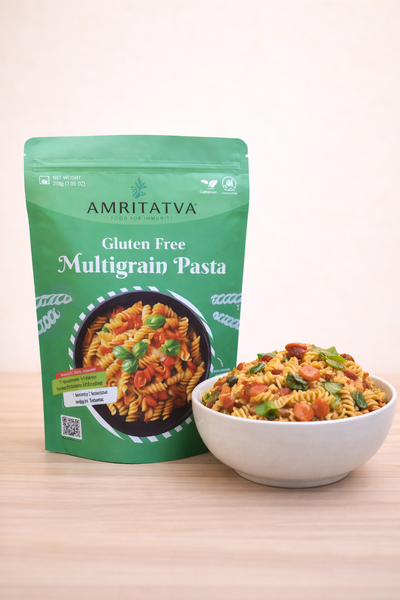
Amritatva Gluten-Free Millet Noodles
Millet noodles + seasoning. No maida, no MSG. Ready in 10 min.
Shop Now


0 comments