

Key Takeaways
- Maida (refined wheat flour) noodles have a glycaemic index of 65-75 and contain 2-3g dietary fibre per 100g. Millet-based multigrain noodles have a GI of 45-55 and 6-8g fibre per 100g — a meaningful difference for blood sugar management and digestive health.
- A 2019 ICMR dietary guidelines review recommended replacing refined grain products with whole grains or millets for better metabolic health, noting that millet consumption was associated with lower rates of type 2 diabetes in South Asian populations.
- Dietary fibre from whole grains feeds gut bacteria that produce short-chain fatty acids (SCFAs), particularly butyrate — the primary fuel for gut wall cells and an essential regulator of intestinal permeability and immune function.
- Gluten-free multigrain noodles made from millet and amaranth don't require a medical diagnosis to benefit from, particularly for the 60-80% of Indian adults with some degree of lactose or gluten sensitivity.
That heavy, slow feeling after a plate of regular instant noodles isn't imaginary. Refined flour digests quickly — in under two hours — delivering a rapid glucose load to the bloodstream, triggering an insulin response, and leaving the stomach with very little fibre to slow the process down. The gut doesn't have much to work with. The energy is short-lived. And if you're eating these noodles for lunch, you're probably hungry again before 3pm.
Multigrain noodles change the equation. Not because they're a superfood, but because the grains they're made from do more during digestion than refined flour does.
What Happens in Your Gut When You Eat Maida Noodles
Maida is refined flour stripped of its bran and germ, leaving primarily the starchy endosperm. Without bran, there's no meaningful dietary fibre. The starch breaks down to glucose rapidly in the small intestine — reaching peak blood glucose within 30-60 minutes. The speed of this breakdown means the pancreas releases a proportional insulin dose to manage the glucose load.
The problem isn't glucose itself — carbohydrate is a necessary fuel. The problem is the spike-and-drop pattern. High blood glucose followed by a proportional insulin response drops glucose levels significantly, triggering hunger signals and often the mid-afternoon craving for something sweet or starchy. You eat more over the day not because you're eating too much at a given meal, but because the food is digesting too fast and the hunger signals return too soon.
The gut microbiome is also affected. Gut bacteria that support digestive health, immune function, and mood — particularly Bifidobacterium and Lactobacillus species — depend on dietary fibre for fuel. A meal with minimal fibre provides almost nothing for these bacteria. Repeated low-fibre meals over weeks and months reduce gut microbiome diversity, with documented effects on immune function, inflammation, and metabolic health.
What Multigrain Noodles Do Differently
A multigrain noodle made from millet (jowar, bajra, or ragi) and amaranth contains 6-8g of dietary fibre per 100g versus 2-3g in refined pasta. This fibre slows gastric emptying, which means glucose enters the bloodstream more gradually and peaks at a lower level. The insulin response is proportionally smaller. Blood sugar returns to baseline more slowly and steadily rather than dropping sharply. The practical result: you stay alert and full for significantly longer after a multigrain noodle meal.
The protein content is also different. Millet provides 8-11g of protein per 100g, and amaranth provides 13-14g — both higher than maida at roughly 10g. Protein digests slowly and further moderates the post-meal glucose response. A bowl of multigrain noodles with a protein source (dal, tofu, eggs, or mushrooms) creates a meal that sustains energy for 3-4 hours without a significant energy trough in the hours after.
For the gut microbiome, the fibre in multigrain noodles is fermentable by bacteria in the large intestine, producing short-chain fatty acids including butyrate. Butyrate is the primary fuel for colonocytes (gut wall cells) and plays a direct role in maintaining the gut barrier that prevents pathogens from crossing into the bloodstream. A 2022 study in Cell found that high-fibre diets significantly increased gut microbiome diversity compared to ultra-processed food diets — and microbiome diversity correlates directly with immune response quality and digestive resilience.
Who Notices the Difference Most
The clearest beneficiaries are people managing blood sugar — anyone with type 2 diabetes, prediabetes, or PCOS will see a meaningful difference in postprandial glucose levels when switching from maida to multigrain noodles. The GI reduction from 65-75 to 45-55 translates to a noticeably smaller blood sugar spike after eating.
People who experience bloating, slow digestion, or the post-meal heaviness that follows a maida meal are a second group who often notice improvement quickly. This can be due to mild gluten sensitivity (since most multigrain noodle formulations are gluten-free) or simply the effect of significantly more dietary fibre supporting faster and more complete digestion. Both are common among urban Indian adults, and neither requires a diagnosis to respond to dietary changes.
For everyone else, the benefit is about daily energy management rather than a specific health condition. Stable blood sugar means more consistent energy across the afternoon, fewer cravings between meals, and naturally eating slightly less at the next meal because hunger signals come later and more gradually.
How to Cook Multigrain Noodles Properly
Two things matter: don't overcook, and save the cooking water. Multigrain noodles become slightly sticky if cooked past the recommended time. Pull them when still slightly firm at the centre — they finish cooking in the sauce. One to two minutes short of the package suggestion is typically right.
Keep 3-4 tablespoons of noodle water before draining. This starchy liquid helps sauces bind to the noodles and prevents them from sticking together. Season the cooking water well with salt, similar to pasta. Multigrain noodles absorb flavour during cooking, and under-seasoned water produces flat-tasting noodles regardless of the sauce used.
Frequently Asked Questions
Are gluten-free noodles necessarily multigrain?
No. Gluten-free noodles can be made from a single ingredient — rice flour, corn starch, or tapioca. These single-grain gluten-free options are often not meaningfully different from maida in GI or fibre content. The benefit comes from whole grain or multigrain formulations using millet, amaranth, buckwheat, or combinations of these. Check the ingredient list: the first ingredient should be a whole grain or whole grain flour, not "rice starch" or "corn starch."
Do multigrain noodles taste different?
They have a slightly earthier, nuttier flavour than maida noodles — most people stop noticing after 3-4 meals. The flavour holds up well with strong sauces (tomato-based, mustard-heavy, or cumin-forward Indian styles) and essentially disappears in soup broths. If the taste is noticeable initially, start with saucier preparations where the noodle flavour is secondary, and give it two weeks before deciding.
Are multigrain noodles suitable for children?
Yes. Millet-based noodles without gluten or common allergens are appropriate for children from around 8 months as a complementary food and for all older age groups. The higher fibre and protein content makes them a better choice than maida noodles for growing children who need sustained energy for learning and physical activity. Cook them to a slightly softer texture for young children who aren't yet comfortable with the more substantial bite of al dente multigrain noodles.
Try This Product
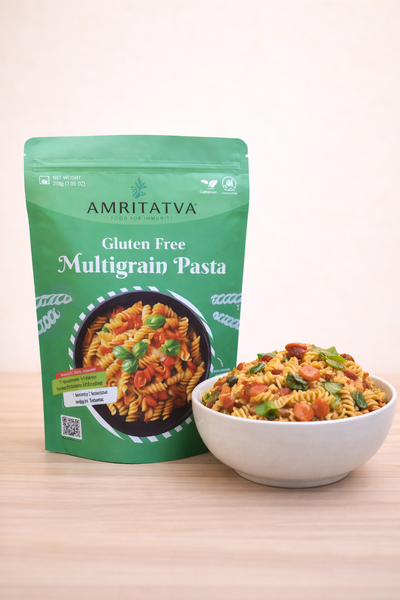
Amritatva Gluten-Free Millet Noodles
Millet noodles + seasoning. No maida, no MSG. Ready in 10 min.
Shop Now



0 comments