

Key Takeaways
- Cutting ultra-processed foods for just 7 days reduces circulating markers of inflammation including C-reactive protein by measurable amounts — a 2021 NEJM study tracking dietary switches found changes within the first week.
- Day 3-4 is when digestive transit time normalises for most people switching from low-fibre to high-fibre eating: the gut microbiome begins rebalancing Bifidobacterium populations within 48-72 hours (Frontiers in Nutrition, 2022).
- India's average daily fibre intake is 14g versus the ICMR recommended 40g — the clean eating challenge's meal structure closes this gap immediately through millets, legumes, and vegetables.
- Energy stabilisation typically occurs by Day 5-6 because the liver's glycogen cycling from complex carbohydrates becomes more consistent once refined sugar spikes are removed (Journal of Nutrition, 2019).
Seven days. No maida, no refined sugar, no ultra-processed food. This is what the Amritatva 7-Day Clean Eating Challenge looks like in practice — not a detox, not a diet, not a starvation plan. It's a structured week that shows your body what different food can feel like. Day by day, here's what the structure involves, what happens physiologically, and exactly what to eat.
The Rules: What's In and What's Out
Three categories are removed for the week: maida (refined wheat flour) and all products made with it, refined sugar including white sugar, corn syrup, and sweetened packaged drinks, and ultra-processed food defined as anything with more than 5 ingredients including additives, preservatives, or synthetic flavourings. This follows the NOVA food classification system, which separates minimally processed from ultra-processed foods and has been validated across multiple epidemiological studies including the 2019 BMJ cohort of 105,000 French adults linking ultra-processed intake to all-cause mortality risk.
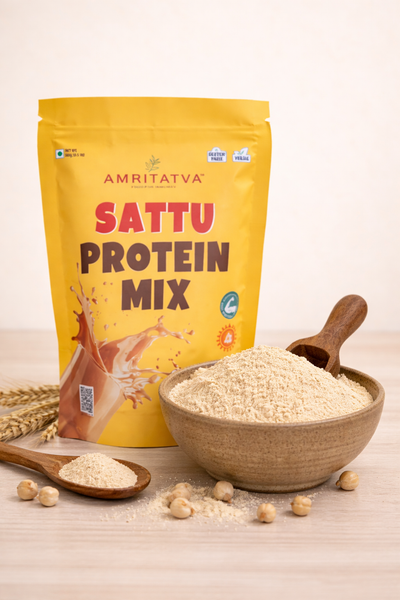
What replaces them: whole grains (millets, amaranth, rice, oats), fresh or frozen vegetables, legumes, eggs or tofu if you eat them, fresh fruit, nuts and seeds, and clean-label protein sources like Amritatva's Sattu Protein Mix. Every meal is home-cooked or prepared from identifiable whole ingredients.
Day 1-2: The Adjustment Phase
The first two days are the hardest. Not because you're hungry — a well-structured clean eating day is filling. They're hard because your dopamine system is recalibrating. Ultra-processed foods are engineered to hit the reward pathway harder than whole foods (a 2021 Cell Metabolism study showed ultra-processed food consumption activated dopamine circuits measurably more than unprocessed food of equivalent calories). Expect some irritability and cravings, especially in the afternoon.
Sample Day 1 breakfast: sattu sharbat (2 tbsp Amritatva Sattu Protein Mix, water, lemon, roasted cumin) + sliced banana. Lunch: jowar roti with dal and mixed sabzi. Snack: 10 almonds + a small apple. Dinner: millet khichdi with seasonal vegetables. Hydration target: 2.5-3 litres water throughout the day.
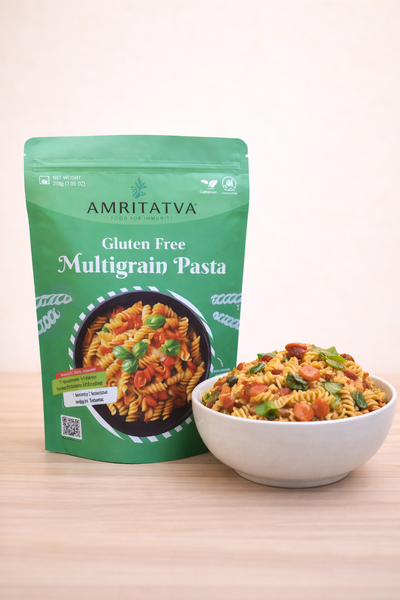
Sample Day 2 breakfast: rolled oats cooked in water with a handful of berries and 1 tbsp sunflower seeds. Lunch: brown rice with rajma and cucumber salad. Snack: coconut water. Dinner: Amritatva Multigrain Pasta tossed with olive oil, garlic, tomatoes, and Italian Seasoning.
Day 3-4: The Digestive Shift
Something changes around Day 3. Bloating that was normal starts reducing. Bowel regularity improves. This isn't coincidence — the gut microbiome begins measurably shifting within 48-72 hours of dietary fibre increase, with Bifidobacterium and Lactobacillus counts rising as Firmicutes populations (associated with high-fat, low-fibre diets) start declining (Frontiers in Nutrition, 2022). The increased fibre from millets, legumes, and vegetables is directly feeding this shift.
Some people experience mild gas on Days 3-4. This is the microbiome fermenting the increased prebiotic fibre. It passes within 24-48 hours for most people and is a sign the shift is happening, not a sign to stop. Drink more water and reduce legume portions temporarily if it's uncomfortable.
Day 5-7: Energy Stabilisation
The second half of the challenge is where participants consistently report the most noticeable change: steadier energy through the afternoon. This happens because complex carbohydrates from whole grains release glucose more slowly, avoiding the spike-and-crash cycle of refined sugar and maida. The liver's glycogen stores replenish at a more consistent rate, and cortisol patterns — which spike when blood sugar drops sharply — become more stable.
By Day 7, many participants also notice improved sleep quality. This links back to the gut: approximately 90% of serotonin is produced in the gut (Frontiers in Neuroscience, 2018), and a healthier gut microbiome produces more serotonin precursors, which contributes to both mood stability and sleep onset. The food-mood-sleep connection is real and measurable.
Sample Day 6 dinner: Amritatva Multigrain Noodles stir-fried with tofu, broccoli, carrots, sesame oil, and a tamari-ginger sauce. Takes 12 minutes. No additives, no MSG, complete meal.
Try This Product
Amritatva Sattu Protein Mix
Your clean-eating Day 1 starts here. 20g+ protein, GI 40.
Shop Now →Frequently Asked Questions
Can I do this challenge if I exercise regularly?
Yes, with one adjustment: make sure your pre-workout and post-workout meals have adequate protein. Amritatva Sattu Protein Mix (20-22g protein per 100g) works well as a pre-workout drink: 3 tbsp in water with a pinch of salt and lemon. Post-workout, add a handful of nuts or a portion of legumes to your meal. The challenge's whole-grain structure provides enough carbohydrate for moderate exercise without needing any processed supplements.
What if I can't cook every meal from scratch?
The challenge doesn't require elaborate cooking. A plate of brown rice and dal with a vegetable is clean eating. Boiled eggs or scrambled tofu takes five minutes. The important thing is ingredient recognition — if you can name every item in what you're eating, you're on track. If the food has an ingredient list that includes numbers or terms you can't pronounce, skip it for the week. Restaurants are possible: order grilled or dal-based dishes, skip bread baskets, ask about cooking oils.
What happens after the 7 days?
Most people reintroduce some foods gradually and find their tolerance has shifted. Foods that were daily habits often taste overly sweet or salty after the reset. The practical outcome most participants report at three weeks post-challenge: they naturally eat 40-60% less ultra-processed food than before, not because they're restricting, but because their preferences have recalibrated. The challenge's real value isn't the seven days — it's the baseline it creates for what normal should feel like.

0 comments