

Key Takeaways
- This vegan Italian herb mayo uses Amritatva Italian Seasoning — a mushroom powder blend — as its flavour base, making it free from MSG, dairy, eggs, and artificial flavours.
- Traditional mayonnaise uses raw egg yolk as an emulsifier. This recipe uses aquafaba (chickpea water) — a plant-based emulsifier that behaves identically in emulsion chemistry, confirmed by food science research.
- The Italian Seasoning blend contributes beta-glucans and B vitamins from oyster mushroom powder alongside the herb profile — adding functional nutrition to a condiment that typically offers none.
- Total prep time: 8 minutes. No cooking required. Stores for up to 5 days refrigerated.
Mayonnaise is one of the last condiments in the Indian kitchen to get a clean-label makeover. Store-bought versions typically contain refined oil, egg, modified starch, acidity regulators (INS 260), and synthetic preservatives that extend shelf life to 12 months — far beyond what a simple emulsion of oil and water should need. Making it at home takes 8 minutes and produces something genuinely different: fresh, flavourful, and with an ingredient list short enough to read in one breath.
This version replaces egg with aquafaba and adds Amritatva Italian Seasoning as both flavour and functional layer — turning a basic condiment into something that contributes to the meal's nutritional value rather than just its palatability.
What Is Aquafaba and Why Does It Work as an Emulsifier?
Aquafaba is the liquid drained from a can of cooked chickpeas — or the water left after boiling dried chickpeas at home. It contains proteins and starches that leached from the chickpeas during cooking, giving it a viscous, slightly gelled consistency. Food scientists confirmed around 2014 that aquafaba behaves as an emulsifier because its proteins can form stable interfaces between oil droplets and water — the same principle that makes egg yolk work in traditional mayo. The ratio of protein to carbohydrate in aquafaba is close enough to egg white that it whips, foams, and emulsifies in nearly identical ways. It's not a workaround — it's an alternative with solid food chemistry behind it.
The Recipe
Makes: ~200ml | Prep: 8 min | Equipment: Immersion blender or standard blender
Ingredients:
- 3 tbsp aquafaba (liquid from one can of chickpeas)
- 1 tsp Amritatva Italian Seasoning (or All-Purpose Seasoning for a milder flavour)
- 1 tsp Dijon mustard (or ½ tsp mustard powder)
- 1 tsp apple cider vinegar or white wine vinegar
- ½ tsp salt
- 160ml neutral oil (refined coconut, rice bran, or light olive oil)
- Optional: 1 tsp fresh lemon juice, ½ clove garlic (grated)
Method:
- Combine aquafaba, Italian Seasoning, mustard, vinegar, and salt in a tall narrow container.
- Place immersion blender at the bottom. Start blending at high speed without moving the blender.
- With the blender running, slowly drizzle in the oil in a thin, steady stream — this is the critical step. If oil is added too fast, the emulsion will break.
- Once all oil is incorporated, lift and tilt the blender to blend any unmixed oil at the top. The mixture should be thick, creamy, and pale.
- Taste and adjust: more salt, vinegar for sharpness, or lemon juice for brightness. Transfer to a jar and refrigerate. Use within 5 days.
What the Italian Seasoning Adds Beyond Flavour
Amritatva Italian Seasoning is a mushroom powder blend containing oyster mushroom powder alongside dried herb extracts. This means the mayo contains beta-glucans — the immune-activating polysaccharides found in oyster mushrooms — alongside the flavour contribution of dried Italian herbs. For a condiment, that's unusual. Standard mayo contributes calories and flavour and nothing else. This version contributes B vitamins from the mushroom powder, natural umami (from oyster mushroom glutamates), and prebiotic beta-glucan fibre.
Uses Beyond Sandwiches
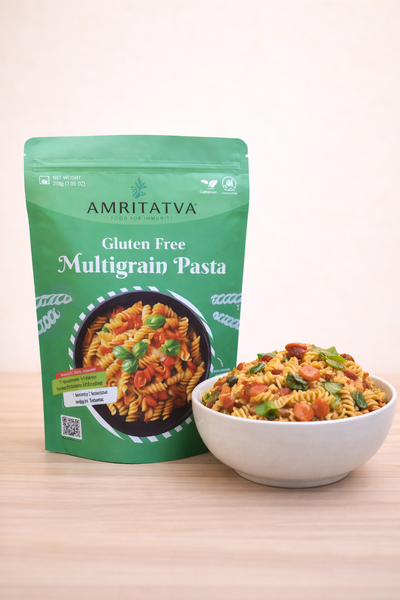
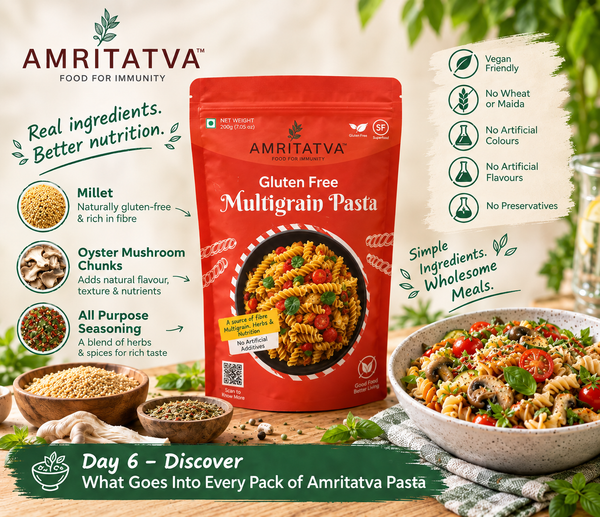
- Pasta dressing: Thin with 1 tbsp warm water and toss through Amritatva gluten-free pasta as a cold pasta salad dressing.
- Dip for crudités or roasted vegetables: The Italian herb profile makes it a natural dip for raw carrots, cucumber, and capsicum.
- Gluten-free wrap spread: Use as a base spread in millet wraps or rice paper rolls.
- Marinade base: Mix with a little more lemon juice and fresh herbs to marinate tofu, paneer, or vegetables before roasting.
- Soup swirl: A small spoonful stirred into tomato or mushroom soup at serving adds creaminess and depth without dairy.
Try This Product
Amritatva Italian Seasoning
Mushroom-powered herb blend. Zero MSG, pure flavour.
Shop Now →Frequently Asked Questions
Why does homemade vegan mayo sometimes split?
Emulsion breaks when oil is added too quickly or the temperature difference between ingredients is too large. Use room-temperature aquafaba and oil. Add oil in a very thin stream while blending continuously at high speed. If it does break, you can often rescue it by starting with a fresh tbsp of aquafaba in a clean container and slowly blending the broken mixture into it.
Does this taste like regular mayo?
The base texture is identical — creamy, thick, and spreadable. The flavour differs slightly: less rich than egg-based mayo (no yolk fat), with an herbal note from the Italian Seasoning. Most people find it cleaner-tasting than commercial mayo.
What oil works best for vegan mayo?
A neutral oil with no strong flavour — refined coconut oil, rice bran oil, or light olive oil — works best. Cold-pressed oils with strong flavour profiles (extra-virgin olive oil, mustard oil) will dominate the taste and may interfere with emulsification.
Is aquafaba from homemade chickpeas the same as canned?
Yes, with one adjustment: homemade aquafaba is typically less concentrated. Reduce it slightly on the stovetop (simmer for 5–10 minutes) until it thickens to the consistency of canned aquafaba before using it as an emulsifier.


0 comments