

What can you drink instead of coffee in the morning?
You don't have to give up coffee to have a healthy morning routine. But if you want to reduce caffeine, vary your morning drink or simply start the day with something lighter, there are several simple options—including plain water, lemon water, herbal infusions and traditional Indian drinks.
Coffee contains caffeine, which can increase alertness. For most adults, the FDA says up to 400 mg of caffeine per day is an amount not generally associated with negative effects, although individual sensitivity varies. Too much caffeine can contribute to symptoms such as jitters, anxiety, nausea, headache or an upset stomach.
So the question isn't really “Is coffee bad?”
A better question is:
“What morning drink suits my body, routine and dietary needs?”
For some people, that may be coffee. For others, it may be a caffeine-free drink or simply a glass of water.
Does your body really need coffee in the morning?
No single morning beverage is nutritionally mandatory.
Coffee can be part of a balanced diet for many people. At the same time, some people prefer to reduce caffeine because of personal sensitivity, taste preferences, sleep considerations or the way caffeine makes them feel.
The FDA specifically notes that how much caffeine is “too much” varies depending on factors such as body weight, medications, medical conditions and individual sensitivity.
That means there is no universal rule that everyone should stop drinking coffee.
Instead, you can experiment with your routine.
Try having water first.
Have breakfast when you're hungry.
Then decide whether you actually want coffee—or whether another drink is enough.
Why is morning hydration worth paying attention to?
After several hours of sleep, drinking fluids is a simple way to restart your morning routine.
WHO describes adequate hydration as an important part of healthy living and notes that safe drinking water is the healthiest and most affordable beverage choice.
That doesn't mean you need a special “detox water.”
It simply means that water itself is valuable.
You can drink it plain or add familiar ingredients for flavour.
For example:
- Plain water
- Warm water with lemon
- Water with soaked chia seeds
- Unsweetened herbal infusion
- Caffeine-free spice or herb infusion
The simplest option can often be the easiest one to maintain.
What are some simple alternatives to morning coffee?
1. Warm lemon water
This is one of the simplest options.
Add the juice of some lemon to warm or room-temperature water according to your taste.
Lemon makes plain water more interesting for people who enjoy a slightly tangy flavour.
But we would not call it a detox drink.
Your body already has systems that process and eliminate waste. Lemon water is simply a flavoured hydration option.
2. Soaked chia water
Chia seeds can be soaked in water until they develop their characteristic gel-like texture.
You can add a small amount of soaked chia to water and drink it as part of your morning routine.
Chia is also a source of dietary fibre, but adding chia to water does not turn the drink into a magical health remedy.
If you are increasing your fibre intake, adequate fluid intake is important.
3. Herbal infusions
Herbal infusions can be a good option when you want a warm drink without making coffee your only morning ritual.
Depending on the ingredients, you might use:
- Mint
- Ginger
- Tulsi
- Cinnamon
- Fennel
- Chamomile
Keep in mind that herbal tea and regular tea are not always the same thing.
Tea made from Camellia sinensis—such as green, black, white and oolong tea—naturally contains caffeine. Herbal teas are made from other plants.
So if your goal is to reduce caffeine, check what is actually in the drink.
What about turmeric milk or turmeric water?
Turmeric is deeply familiar in Indian kitchens and has a long history of culinary and traditional use.
You can use turmeric in a warm drink if you enjoy the flavour.
But it is better not to describe turmeric drinks as a cure, detox, immunity treatment or guaranteed anti-inflammatory solution.
According to NCCIH, there isn't enough evidence to definitively conclude that oral turmeric or curcumin is beneficial for many of the health conditions for which it is promoted. Turmeric can also cause side effects such as stomach upset, nausea or acid reflux in some people, particularly at higher amounts.
So think of turmeric first as a familiar food ingredient, rather than a medicine in a cup.
Can traditional Indian drinks replace coffee?
Absolutely—but “replace” doesn't have to mean finding another stimulant.
Indian kitchens already have many simple beverage traditions.
Depending on the season and your dietary preferences, you could explore:
- Sattu-based drinks
- Chaas, if dairy suits your diet
- Coconut water
- Warm spice infusions
- Lemon water
- Plain water
- Unsweetened herbal drinks
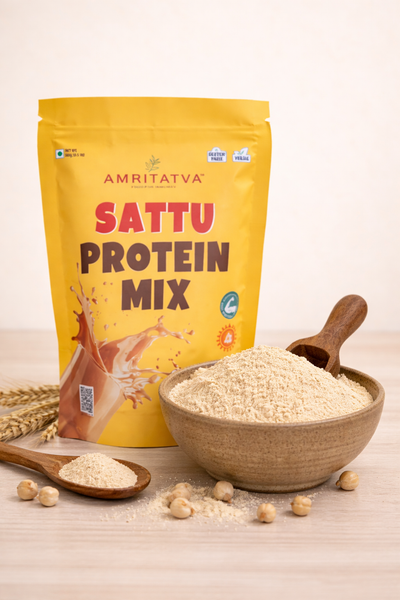
For example, a simple sattu drink can be a more substantial option than plain water because it contains an ingredient-based food component rather than being simply flavoured water.
The important point is to look at the entire drink.
How much added sugar does it contain?
What ingredients are being used?
Does it suit your dietary needs?
And does it actually fit into your morning routine?
Is coffee actually unhealthy?
Not necessarily.
This is where online wellness advice often becomes too simple.
Coffee contains caffeine, and caffeine affects people differently.
For most adults, the FDA says up to 400 mg of caffeine per day is not generally associated with negative effects. However, individual tolerance varies, and some people may experience unwanted symptoms at lower amounts.
So there is no need to turn coffee into the “bad” food and herbal drinks into the “good” food.
Your overall dietary pattern matters much more than one morning beverage.
WHO describes healthy diets around adequacy, balance, moderation and diversity, with minimally processed and unprocessed foods forming an important foundation.
Your morning drink is just one small part of that bigger picture.
What should you choose if you want less caffeine?
Start by identifying what you actually want from your morning drink.
If you want hydration:
Choose water or lemon water.
If you want a warm ritual:
Try an herbal infusion.
If you want something more substantial:
Consider a simple sattu-based drink alongside a balanced breakfast.
If you enjoy the taste of coffee:
You don't necessarily need to eliminate it.
You could simply reduce the amount, choose a smaller serving or avoid adding large amounts of sugar.
The goal is to build a routine that works for you—not to follow a rigid wellness rule.
How can you make your morning drink more Indian?
A healthy routine doesn't need imported ingredients or complicated recipes.
Try familiar flavours:
Ginger + warm water
Mint + warm water
Lemon + water
Fennel infusion
Tulsi infusion
Sattu + water + lemon
Turmeric + warm milk or a plant-based alternative
These drinks can fit naturally into Indian kitchens.
And you can change them according to the season.
A warm ginger infusion may feel comforting on a cool morning, while lemon water or a chilled sattu drink may be more appealing during warmer months.
What should you avoid adding to your “healthy” morning drink?
Sometimes the drink isn't the problem—the additions are.
A beverage marketed as a wellness drink can still contain significant amounts of added sugar.
So check:
- Added sugar
- Syrups
- Flavoured powders
- Creamers
- Sweetened plant-based beverages
- Large amounts of honey or jaggery
WHO recommends limiting free sugars as part of a healthy diet.
You don't have to make every drink completely unsweetened if that makes the routine difficult to maintain.
Instead, become more aware of what you're adding and how often.
What is a simple morning routine you can actually repeat?
You don't need a ten-step morning wellness routine.
Try something simpler:
Step 1: Drink some water after waking.
Step 2: Choose your preferred morning beverage.
Step 3: Eat a balanced breakfast when appropriate.
Step 4: If you drink coffee, enjoy it mindfully rather than automatically reaching for multiple cups.
Step 5: Notice how your body responds to your routine.
A sustainable habit is usually one that fits naturally into your real life.
Coffee or an alternative—which one should you choose?
There doesn't have to be one universal answer.
| Morning Drink | What It Can Offer | What to Keep in Mind |
|---|---|---|
| Coffee | Caffeine and a familiar morning ritual | Caffeine sensitivity varies |
| Lemon water | Simple hydration with flavour | Not a detox treatment |
| Herbal infusion | A warm, caffeine-free option depending on ingredients | Benefits depend on the herbs used |
| Chia water | Hydration plus chia as a fibre-containing ingredient | Introduce fibre gradually and drink enough fluid |
| Sattu drink | A more substantial traditional Indian option | Check ingredients and added sugar |
| Turmeric drink | Familiar Indian spice and warm beverage | Don't treat it as a medical treatment |
The right choice depends on your preferences, dietary needs and how the drink fits into the rest of your day.
Frequently Asked Questions
Is coffee bad to drink every morning?
Not necessarily. Coffee can fit into a healthy diet for many adults. The FDA says up to 400 mg of caffeine per day is an amount not generally associated with negative effects for most adults, although sensitivity varies. If coffee causes symptoms such as jitters, anxiety, headache or stomach discomfort, consider reducing your intake or discussing your caffeine consumption with a healthcare professional.
What is the healthiest drink to have first thing in the morning?
There is no single drink that everyone needs to have first thing in the morning. Plain water is a simple choice for hydration, and WHO describes safe drinking water as the healthiest and most affordable beverage option. If you prefer variety, you can choose lemon water, an unsweetened herbal infusion or another drink that fits your dietary needs.
Can I replace coffee with lemon water?
You can choose lemon water instead of coffee if you prefer a caffeine-free morning drink. Lemon water provides flavour and contributes to fluid intake, but it does not provide the caffeine-related alertness that coffee does. It also should not be described as a detox treatment or a guaranteed way to improve digestion. Think of it as a simple hydration option.
Is turmeric water good for the morning?
Turmeric can certainly be included in a morning drink if you enjoy it as a food ingredient. However, evidence does not support treating turmeric drinks as a cure or guaranteed wellness treatment. NCCIH notes that evidence for many proposed benefits of oral turmeric or curcumin remains insufficient, and turmeric can cause digestive side effects in some people.
Can I drink herbal tea instead of coffee?
Yes. Herbal infusions can be a useful caffeine-free alternative, depending on the ingredients. However, not every tea is caffeine-free. Green, black, white and oolong teas are made from Camellia sinensis and naturally contain caffeine, while herbal teas are made from other plants. Check the ingredients if reducing caffeine is your goal.
Is sattu a good alternative to coffee?
Sattu can be used as a traditional Indian morning drink, especially when you want something more substantial than plain water or herbal tea. A simple sattu drink can be made with roasted gram flour, water and suitable flavourings. The overall nutritional value depends on the recipe and portion, so check added sugar and consider it alongside a balanced breakfast rather than as a complete meal replacement.
A calmer morning doesn't need a complicated drink
Coffee doesn't have to be the enemy.
And a herbal drink doesn't automatically become a superfood.
Sometimes the better approach is simply to ask:
Am I thirsty?
Do I actually want caffeine?
What ingredients am I consuming?
Does this drink suit my routine?
What does the rest of my breakfast look like?
A mindful morning isn't about following the latest wellness trend.
It is about making small choices you can understand and repeat.
At Amritatva, we believe food and wellness should feel practical, familiar and enjoyable—right from the first drink of the day.
Simple ingredients. Familiar choices. A more mindful morning.



0 comments