

Weekly Healthy Grocery List Setup: A Practical Guide for Indian Homes
Healthy eating often begins before cooking. A thoughtful weekly grocery list helps you keep a variety of useful ingredients at home, making balanced meals easier to plan on busy days. Instead of shopping without a plan, start by checking what you already have, deciding which meals you are likely to prepare and buying only what you need.
For Indian households, this can mean seasonal vegetables and fruits, dal and beans, grains, suitable protein sources, nuts or seeds, and ingredients for familiar recipes. The right list will look different for every family: budget, cooking time, food preferences, allergies and dietary requirements all matter.
The goal is not to fill your kitchen with expensive “health foods”. It is to make everyday cooking more organised, reduce avoidable food waste and create options that suit your real routine.
Why Is a Weekly Grocery List Worth Preparing?
Without a plan, shopping can become a series of last-minute decisions. You might forget ingredients for a meal, buy more fresh produce than you can use or return home without something needed for lunch the next day.
A weekly list can help you:
-
Plan meals more easily: Know which ingredients you need for a few breakfasts, lunches, dinners and snacks.
-
Manage your budget: Set priorities before entering the store and compare prices.
-
Reduce food waste: Buy quantities that match your household’s needs and use perishable foods in time.
-
Create more variety: Remember to include different food groups instead of repeatedly buying the same few items.
-
Save time: Combine shopping and basic preparation rather than making frequent emergency trips.
A grocery list does not guarantee a particular health outcome. It is a practical tool for organising food choices—and it works best when it reflects the way your household actually eats.
What Should a Balanced Weekly Grocery List Include?
The ICMR–National Institute of Nutrition’s Dietary Guidelines for Indians, 2024 emphasise variety across food groups. No single food supplies every nutrient the body needs, so a useful shopping list should offer ingredients for varied meals rather than rely on one “superfood”.
Use the categories below as a starting point, adjusting quantities to your family size, appetite, budget and dietary needs.
1. Which vegetables and fruits should you buy?
Choose a mix of seasonal vegetables and fruits that you enjoy and can use during the week.
Possible options include:
-
Vegetables: Spinach and other leafy greens, carrots, tomatoes, cucumbers, gourds, cauliflower, cabbage, beans and seasonal local vegetables.
-
Fruits: Bananas, guavas, apples, oranges, papaya, citrus fruits or other seasonal choices.
-
Convenient additions: Frozen vegetables, where suitable, or produce that can be washed, chopped and stored safely for later use.
You do not need to buy every item listed. Choose a manageable variety based on availability, freshness, price and the meals you plan to cook.
Practical tip: Plan to use delicate leafy greens earlier in the week. Keep longer-lasting vegetables and fruits for later meals, following appropriate storage guidance.
2. Which protein sources belong on the list?
Protein sources can be included across meals rather than left until you are deciding what to cook.
Depending on your dietary preferences, consider:
-
Moong, masoor, toor and other dals
-
Chickpeas, rajma, lobia and other beans
-
Sattu made from roasted gram
-
Paneer, curd or other dairy foods, if consumed
-
Tofu, soy foods or other suitable plant-based options
-
Eggs, fish or poultry, if part of your diet
You do not need to buy all of these every week. Select a few options that work with your recipes and budget.
For example, one batch of cooked chana might be used in a salad one day and a curry another day. Sattu can be used in a savoury drink or another preparation according to the product instructions.
3. Which grains and staples should you keep at home?
Choose grains and staples that fit your meals, dietary needs and cooking habits.
Your list might include:
-
Rice or brown rice
-
Whole-wheat atta, if suitable for your household
-
Oats
-
Millets such as jowar, bajra or ragi
-
Dalia, poha or other familiar breakfast staples
-
Gluten-free pasta or noodles, if required
-
Ingredients such as besan or other flours used in your regular recipes
Millets and whole grains can add variety, but no single grain is essential for every person. If someone in your household needs a gluten-free diet, check product labels and suitability rather than assuming every millet product is free from gluten contamination.
4. What fats, nuts, seeds and flavouring ingredients are useful?
Nuts, seeds and cooking oils can be part of a varied diet. Buy quantities that suit your cooking habits and store them according to package guidance.
Consider peanuts, almonds, walnuts, sesame seeds, flaxseeds or other options that are suitable for your household. Account for allergies and any dietary advice you have received.
For everyday flavour, keep ingredients such as cumin, mustard seeds, turmeric, ginger, garlic, coriander, mint and lemon available when you use them in your recipes. These can help make home-cooked meals appealing, but they should not be purchased with the expectation that a spice or herb will prevent or treat a disease.
How Can You Build Your Grocery List Step by Step?
You do not need a complicated meal-planning system. Try this repeatable process once a week.
Step 1: Check your kitchen first. Look through the refrigerator, freezer, pantry and spice shelf. Note the ingredients you already have and use them before buying more.
Step 2: Plan a few meals. You do not need to decide every meal in detail. Choose a few breakfasts, lunches and dinners, including meals that use overlapping ingredients.
Step 3: Write down the missing ingredients. If you plan to make dal, vegetable pulao and a salad, check which pulses, vegetables, grains and seasonings you need.
Step 4: Estimate quantities. Consider how many people will eat at home, how often you cook and whether any meals will be eaten outside. Avoid buying large quantities simply because an item appears on a generic list.
Step 5: Separate essentials from optional items. Buy the ingredients needed for planned meals first. Snacks, new ingredients and speciality products can be added if they fit your budget and routine.
Step 6: Review what worked. At the end of the week, note what was used, what went to waste and what you ran out of. Use that information to improve your next list.
What Could a Simple Weekly Grocery List Look Like?
Here is an example to customise—not a fixed quantity guide for every family.
| Category | Possible items | How to choose |
|---|---|---|
| Vegetables | Leafy greens, carrots, tomatoes, gourds, seasonal vegetables | Pick a mix of quick-use and longer-lasting produce |
| Fruits | Bananas, guava, papaya, apples or seasonal options | Buy amounts your household can finish |
| Pulses and beans | Moong dal, masoor dal, chana, rajma | Choose according to planned meals |
| Grains and staples | Rice, atta if suitable, oats, poha, millets | Keep familiar staples and add variety where useful |
| Protein options | Sattu, tofu, paneer, curd, eggs or other suitable choices | Match your preferences and dietary needs |
| Nuts and seeds | Peanuts, sesame, flaxseed or other suitable options | Account for allergies and portion needs |
| Flavouring ingredients | Cumin, turmeric, ginger, garlic, lemon, mint | Check existing supplies before restocking |
| Snacks | Fruit, roasted chana, makhana or homemade options | Choose foods you enjoy and can store appropriately |
| Convenience items | Frozen vegetables, plain staples, gluten-free pasta or noodles if needed | Read labels and check preparation requirements |
How Can You Shop Thoughtfully Without Overspending?
A useful grocery routine does not need premium products or a large pantry. Start with affordable ingredients that can be used in several meals.
-
Plan around seasonal availability. Compare local prices and choose produce that fits your budget.
-
Reuse ingredients across meals. Spinach might go into dal, a sabzi or a filling. Cooked beans can be used in more than one preparation.
-
Compare pack sizes and unit prices. A larger pack is only better value if you can use and store it before it deteriorates.
-
Keep convenience in perspective. Frozen vegetables and simple packaged staples may help on busy days. Their suitability depends on the product and your needs.
-
Check labels. For packaged foods, review ingredients, serving size, nutrition information, storage instructions and allergen information where relevant. Do not assume that “natural”, “vegan”, “gluten-free” or “millet-based” automatically means nutritionally better for everyone.
FSSAI provides regulations and consumer information relating to packaged-food labelling. For people managing food allergies or following a medically necessary diet, checking the exact product information is especially important.
What Is the Best Way to Plan Snacks and Drinks?
Snacks and drinks are easy to forget when writing a grocery list. Planning a few options can reduce last-minute guesswork.
For snacks, you might choose fruit, roasted chana, makhana, nuts or a homemade preparation that suits your household. Keep portion sizes and individual dietary needs in mind.
For drinks, make sure you have safe drinking water available. Lemons, mint, curd or buttermilk ingredients may be useful if you regularly prepare these at home. Unsweetened options can help you manage added sugar, depending on what you choose.
You do not need to replace every packaged snack or drink overnight. Start by keeping a few convenient alternatives available and making choices that feel realistic for your schedule.
How Can You Make Grocery Planning Work for Busy Indian Households?
The most effective list is one you can maintain. If you have limited time to cook, plan for a mixture of freshly prepared meals and convenient staples.
For example, wash and store produce safely, soak or cook pulses when practical, and keep ingredients for one or two quick meals on hand. You can also set aside a short weekly planning session and use the same grocery categories each time.
If your household includes people with different dietary needs, make those needs explicit on the list. This may include allergies, vegetarian or vegan preferences, or the need for gluten-free products. Avoid cross-contact where it is relevant, and follow medical or dietetic guidance for specialised diets.
The point is not to achieve a perfect kitchen. It is to make everyday decisions a little easier.
How Does Amritatva Fit into a Thoughtful Grocery Routine?
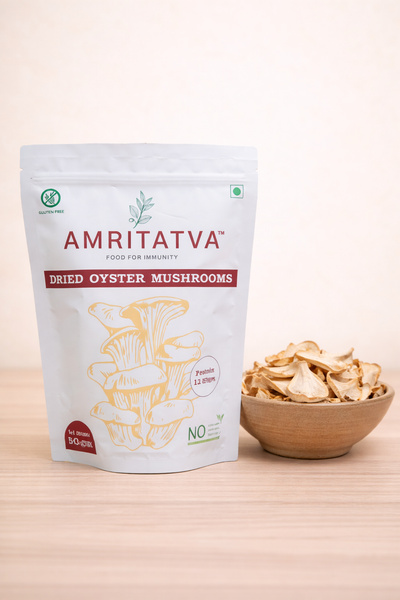
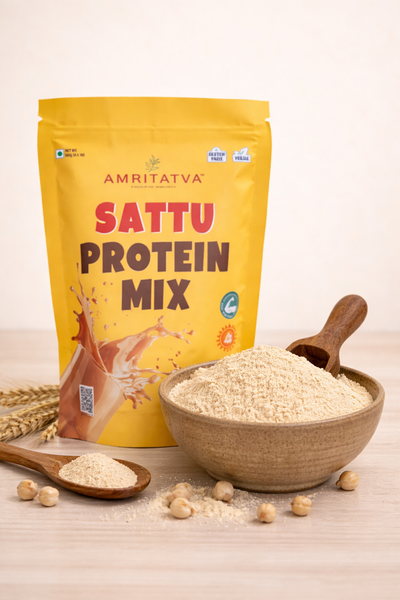
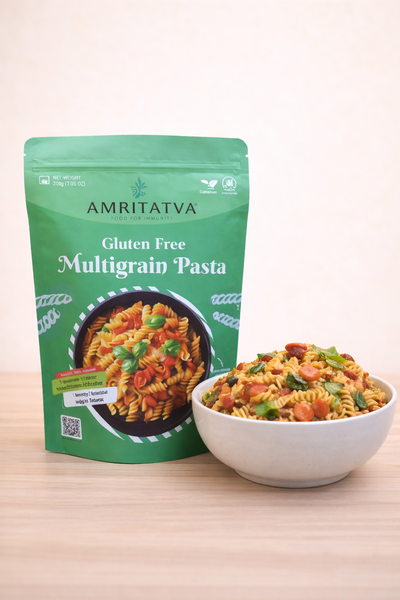
At Amritatva, we believe food choices should be practical, enjoyable and supported by clear information. Our range includes oyster mushroom powder, gluten-free pasta and noodles, seasonings and sattu-based mixes.
These products may suit particular recipes or household preferences. For example, gluten-free pasta or noodles can provide another meal option for people who need or choose them, while seasonings can add flavour to everyday cooking. Always check each product’s ingredient list, label and preparation instructions.
No single product replaces a varied diet, and a product being vegan or gluten-free does not automatically make it the right choice for everyone. We encourage people to understand what they are buying and choose ingredients that work for their meals, needs and budget.
Frequently Asked Questions
1. What should I buy for a healthy weekly grocery list?
Start with a variety of vegetables and fruits, pulses or other suitable protein sources, grains and everyday staples. Add nuts, seeds, cooking ingredients and snacks that suit your household. The exact list depends on your preferences, budget, allergies and dietary needs. Plan a few meals first, then buy the ingredients required rather than following a rigid universal list.
2. How do I plan groceries for a family for seven days?
Check what is already in your kitchen, estimate how many meals will be eaten at home and choose a few repeatable recipes. Write down the missing ingredients, group them by category and estimate quantities based on your household’s needs. Review leftovers and unused produce at the end of the week to make the next list more accurate.
3. Which Indian foods can I include in weekly meal planning?
Common options include dal, chana, rajma, seasonal vegetables, fruit, rice, suitable grains and millets, sattu and other protein sources that fit your diet. Familiar dishes can be adapted to your preferences and schedule. Variety across food groups matters more than relying on one traditional ingredient or buying foods marketed as superfoods.
4. How can I save money while grocery shopping?
Plan meals around ingredients you already have, compare prices, choose seasonal produce and buy quantities you can use before they spoil. Reuse ingredients across several meals and check unit prices when comparing pack sizes. Avoid buying speciality products just because they are promoted as healthy. A practical, affordable list is more useful than one that is difficult to maintain.
5. Are packaged foods always unhealthy?
No. Packaged foods vary widely, and convenience can be useful in busy households. Check the ingredient list, serving size, nutrition information, allergens and storage instructions. Compare similar products where possible and consider how each item fits into your overall eating pattern. Claims such as “natural”, “vegan” or “gluten-free” do not by themselves describe the full nutritional quality of a product.
6. How should I plan a gluten-free or vegan grocery list?
Start with the dietary requirement and check each product carefully. A gluten-free list may include naturally gluten-free ingredients and products specifically labelled as suitable, with attention to cross-contact where necessary. A vegan list excludes animal-derived ingredients, so check labels for relevant ingredients. For diagnosed conditions or complex nutritional needs, follow advice from a qualified healthcare professional or dietitian.
A Small Weekly Habit That Makes Everyday Cooking Easier
A useful grocery list does not need to be long or perfect. Begin with the ingredients you already have, plan a few meals, choose a variety of foods and buy quantities you can realistically use.
Over time, this routine can help you organise your kitchen, reduce avoidable waste and make everyday meal decisions more manageable. Focus on consistency rather than strict rules—and remember that the best list is the one that fits your household.
At Amritatva, we believe thoughtful food choices begin with clear information, practical preparation and habits that work in real life.


0 comments