

How Chronic Inflammation Affects Your Health — And What You Can Do
Inflammation is the body's natural response to injury, infection and other triggers. It helps the immune system protect and repair the body. The concern arises when inflammatory activity persists for too long or becomes part of a disease process. Chronic inflammation is associated with several long-term health conditions, but it cannot be reliably identified from everyday symptoms alone. Food and lifestyle habits can influence overall health, although no single ingredient or routine can eliminate inflammation.
The encouraging part is that supporting your health does not require an expensive wellness plan. A varied diet containing vegetables, fruits, pulses, whole grains, nuts and seeds, along with regular physical activity and adequate sleep, provides a practical foundation. Indian kitchens already offer many ways to build these habits. The aim is not to fight every inflammatory response; it is to support the body's normal functions through consistent, sustainable choices.
What Is Inflammation, and When Does It Become a Concern?
Inflammation is part of the immune system's response to a threat or injury. You may notice redness, warmth, swelling or pain around a cut, for example. These signs can be part of the body's normal healing response.
What is the difference between acute and chronic inflammation?
| Feature | Acute inflammation | Chronic inflammation |
|---|---|---|
| Duration | Usually short-term | May persist for a prolonged period |
| Common context | Injury, infection or tissue damage | Can occur in certain chronic diseases and other ongoing conditions |
| Role in the body | Helps the body respond to an immediate problem | Persistent activity may contribute to tissue damage in some conditions |
| What to do | Appropriate care depends on the cause | Medical assessment may be needed to identify and manage the underlying cause |
Acute inflammation is not inherently harmful; it is an important defence mechanism. Chronic inflammation, on the other hand, is associated with conditions including cardiovascular disease and some metabolic and autoimmune disorders. The relationship is complex, and inflammation is not the sole cause of every condition.
This distinction matters because the goal is not to suppress all inflammation. It is to understand when a persistent inflammatory process may need medical attention and to support health through evidence-informed habits.
What Can Contribute to Chronic Inflammation?
Chronic inflammation can have multiple causes. These may include certain medical conditions, persistent infections, immune-system disorders and metabolic factors. Lifestyle and environmental influences can also affect health and inflammatory processes.
Factors worth paying attention to include:
-
Overall dietary pattern: Regularly relying on foods high in added sugar, excess salt or unhealthy fats while eating too few vegetables, fruits and fibre-rich foods can make it harder to meet nutritional needs.
-
Physical inactivity: Regular movement supports cardiovascular and metabolic health.
-
Smoking: Tobacco exposure is harmful and contributes to the risk of several chronic diseases.
-
Inadequate sleep: Poor or insufficient sleep can affect many aspects of health, including metabolic and immune function.
-
Excessive or persistent stress: Stress can affect sleep, eating patterns and other health behaviours.
-
Environmental exposures: Air pollution is an established risk factor for several noncommunicable diseases.
These factors do not mean that a person with a particular habit definitely has chronic inflammation. Nor can an individual condition usually be explained by one food or lifestyle choice. Health outcomes are shaped by a combination of biological, environmental and social factors.
Can You Recognise Chronic Inflammation From Symptoms?
Not reliably. Persistent inflammation may not produce obvious symptoms, while fatigue, headaches, digestive discomfort and body pain can occur for many different reasons.
It is therefore misleading to treat bloating, low energy, weight gain or skin changes as proof of chronic inflammation. These symptoms can have several explanations, some of which may require medical evaluation.
If symptoms are persistent, worsening or interfering with daily life, speak with a qualified healthcare professional rather than starting a restrictive diet or taking supplements based on online advice. A clinician can assess your history, symptoms and whether any tests are appropriate.
There is no single home checklist that can diagnose chronic inflammation. Blood tests that measure inflammatory markers may be useful in specific clinical situations, but their results need to be interpreted alongside other medical information.
Which Foods Can Support a Healthier Dietary Pattern?
There is no single universally prescribed “anti-inflammatory diet”. Research often focuses on overall eating patterns rather than one magic ingredient. Patterns rich in vegetables, fruits, legumes, whole grains, nuts and seeds are consistent with widely accepted principles of healthy eating.
Here are practical ways to apply those principles to everyday Indian meals.
1. Are fruits and vegetables important?
Yes. A variety of fruits and vegetables provides fibre, vitamins, minerals and other naturally occurring plant compounds. Different colours and types offer different nutrients, so variety is more useful than relying on one so-called superfood.
Try adding seasonal fruit to breakfast, including a vegetable sabzi at lunch and dinner, or preparing a simple salad when suitable for your meal. Fresh, frozen or appropriately stored options can all contribute to a varied diet.
2. How can dals, beans and whole grains help?
Pulses such as moong, masoor, chana and rajma provide protein and fibre. Whole grains and suitable millet varieties can contribute fibre and other nutrients.
Examples include dal with vegetables, chana with roti, vegetable khichdi, or a millet-based meal with pulses. Choose grains according to your dietary requirements: millet-based products are not automatically gluten-free unless the specific product meets the relevant requirements.
3. Do nuts and seeds have a role?
Nuts and seeds provide a combination of unsaturated fats, fibre and other nutrients. Depending on individual needs, small portions of walnuts, almonds, flaxseeds or chia seeds can be incorporated into meals.
Try adding ground flaxseed to porridge or including a small portion of nuts with fruit. Portions matter, especially when managing total energy intake or following a specific nutrition plan. Anyone with a nut or seed allergy should avoid the relevant allergen and follow appropriate medical advice.
4. Do turmeric, ginger and garlic reduce inflammation?
Turmeric, ginger and garlic contain compounds that have been studied for possible biological effects. However, research on a compound or concentrated supplement does not automatically establish that ordinary culinary amounts treat a health condition.
Use these ingredients to add flavour and variety to food. Turmeric in dal, ginger in vegetables or garlic in a homemade chutney can be part of enjoyable everyday cooking. There is no need to consume unusually large quantities or take concentrated supplements in the belief that they will cure inflammation.
People taking medication or managing a medical condition should check with a healthcare professional before using concentrated herbal products or supplements, as these may have side effects or interact with medicines.
Which Foods Should You Limit?
Rather than labelling individual foods as universally “good” or “bad”, consider how often they appear in your overall diet.
It can be helpful to reduce frequent reliance on sugar-sweetened drinks, heavily salted snacks, and foods high in added sugar or saturated fat. Processed meats and frequent deep-fried foods are also worth limiting as part of a balanced eating pattern.
This does not mean every packaged food is unhealthy. Convenience foods can fit into real life, and their nutritional value varies. Read the label, consider the serving size and compare products where possible.
A practical starting point is to make nourishing foods easier to access: keep fruit available, prepare dal or beans in batches, include vegetables in familiar dishes and plan a few simple meals for busy days. Gradual changes are often easier to sustain than strict rules that are difficult to maintain.
How Do Movement, Sleep and Stress Management Fit In?
Food is only one part of overall health. Physical activity, sleep and stress management also matter.
Move regularly. Walking, cycling, dancing, yoga, household activities and strength exercises can all contribute to physical activity. Choose activities that suit your fitness level and health circumstances. If you are new to exercise, begin gradually and build consistency.
Protect your sleep. Try to maintain a reasonably consistent sleep schedule and create a relaxing wind-down routine. Reduce late-night distractions if they interfere with rest. Persistent sleep difficulties deserve attention rather than being treated as a personal failure.
Make room for recovery. Slow breathing, time outdoors, social connection or a few quiet minutes between tasks may help you manage everyday stress. These practices can support wellbeing, but they are not substitutes for professional care when stress becomes overwhelming.
Avoid tobacco and limit harmful exposures. Avoid smoking and seek support if you want to stop. Where air pollution is a concern, follow local public-health guidance.
These habits support general health; no single habit guarantees that chronic inflammation will be prevented or reversed.
How Can You Apply These Ideas in an Indian Kitchen?
You do not need a separate “anti-inflammatory menu”. Start with familiar meals and make them more varied and balanced.
| Everyday meal | Practical adjustment |
|---|---|
| Breakfast | Add fruit or nuts to an existing breakfast, or include a pulse-based option such as chana |
| Lunch | Pair dal or beans with vegetables and a grain that suits your dietary needs |
| Evening snack | Consider fruit, roasted chana or a small portion of nuts, depending on your needs |
| Dinner | Include vegetables and a protein source such as dal, beans, tofu or another suitable option |
| Cooking | Use herbs and spices for flavour, and pay attention to the amount of salt, sugar and oil used |
| Busy days | Keep convenient options available, and compare labels rather than assuming all packaged foods are the same |
The right balance depends on age, activity level, medical conditions, preferences and individual nutritional needs. People with diabetes, kidney disease, gastrointestinal conditions or other specific requirements may need personalised advice from a qualified dietitian or clinician.
What Does This Mean for Amritatva?
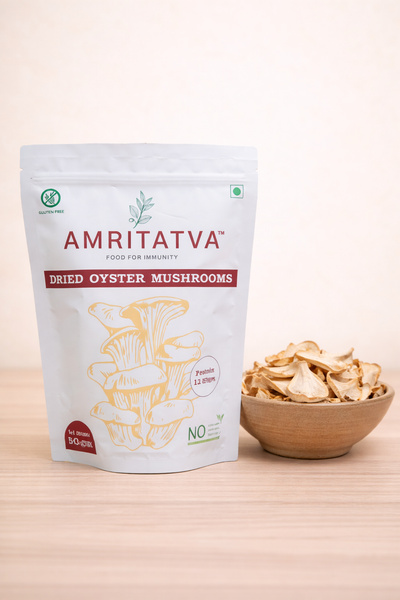
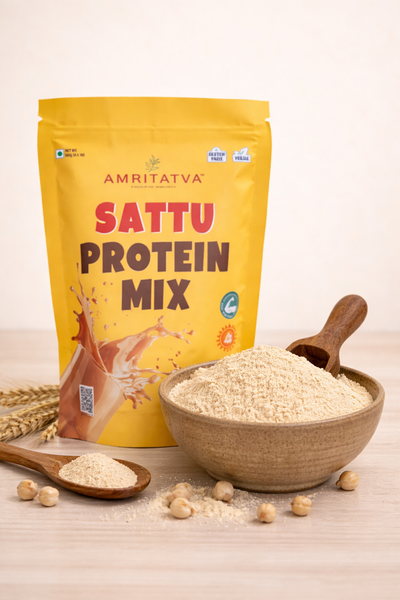
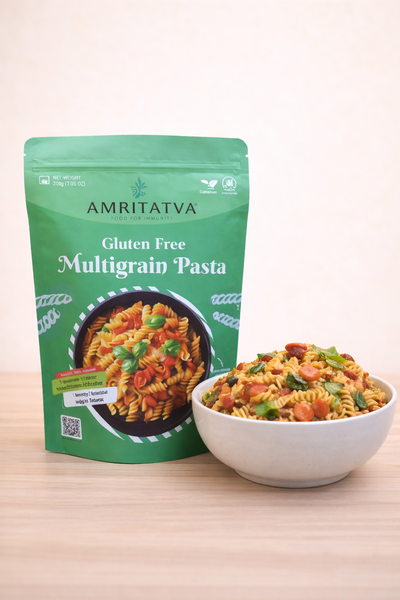
At Amritatva, we believe everyday food choices should be informed, practical and enjoyable. Our range includes products such as oyster mushroom powder, gluten-free pasta and noodles, seasonings and sattu-based mixes.
These products can offer different options for everyday cooking, depending on the ingredients and the needs of the person using them. They should not be presented as treatments for inflammation or as replacements for a varied diet and appropriate medical care.
We believe health-related communication should be clear about what is known and what remains uncertain. A vegan, gluten-free or millet-based product is not automatically healthier for every person, and an ingredient's presence does not prove a specific medical benefit.
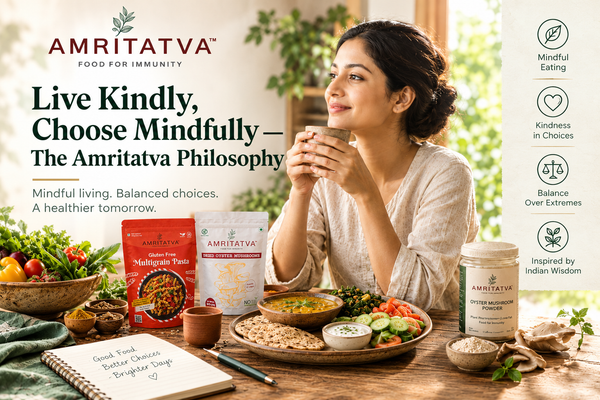
Our approach is to encourage people to understand their food, read product information and build sustainable habits that suit their lives.
Frequently Asked Questions
1. What is the main difference between acute and chronic inflammation?
Acute inflammation is a short-term response that helps the body react to injury or infection. Chronic inflammation involves persistent inflammatory activity and can be associated with certain long-term conditions. Inflammation itself is not always harmful, and the right response depends on its cause. Persistent or concerning symptoms should be assessed by a qualified healthcare professional rather than self-diagnosed.
2. What are the common signs of chronic inflammation?
Chronic inflammation does not always cause noticeable symptoms. Fatigue, headaches, digestive discomfort and body pain are nonspecific and may have many explanations. These symptoms alone cannot confirm inflammation. If they persist, worsen or affect your daily activities, seek medical advice. A clinician can determine whether further assessment or tests are appropriate based on your individual situation.
3. Which Indian foods can be part of an anti-inflammatory eating pattern?
Vegetables, seasonal fruits, dals, beans, whole grains, suitable millets, nuts and seeds can all contribute to a varied dietary pattern. Turmeric, ginger and garlic can add flavour, but they should not be treated as cures. Overall dietary balance matters more than relying on one ingredient. Your food choices should also account for allergies, medical conditions and individual nutritional requirements.
4. Does turmeric water or ginger tea cure inflammation?
No. Turmeric and ginger contain compounds studied for possible health effects, but this does not establish that turmeric water or ginger tea cures chronic inflammation or an inflammatory disease. These drinks can be enjoyed as part of an ordinary diet if suitable for you. Avoid replacing prescribed treatment with home remedies, and ask a healthcare professional before using concentrated supplements.
5. Can lifestyle changes prevent chronic inflammation?
Healthy habits can support overall health and may influence some inflammatory processes, but no lifestyle plan guarantees prevention. A varied diet, regular physical activity, adequate sleep, avoiding tobacco and managing relevant health risks are sensible foundations. Chronic inflammation can have medical causes that require treatment, so lifestyle changes should complement—not replace—professional care when needed.
6. Should I take an inflammation test if I feel tired or bloated?
Not necessarily. Tiredness and bloating can result from many causes, and testing is not automatically required for these symptoms. Inflammatory markers are used in particular clinical contexts and cannot independently diagnose every cause of symptoms. Speak with a healthcare professional if symptoms persist or concern you; they can decide whether testing is appropriate.
A Sustainable Approach to Long-Term Health
Inflammation is a complex biological process, not a trend to fear or a condition that can be diagnosed through social-media checklists. The most useful starting point is to understand the difference between normal immune responses and persistent inflammation, avoid unsupported health claims, and build everyday habits that support overall wellbeing.
Choose variety over miracle foods, consistency over extreme restrictions, and professional guidance over self-diagnosis. Small, realistic changes to meals, movement and sleep can be a meaningful part of caring for your health over time.
At Amritatva, we believe informed food choices begin with clear information and habits that work in real life.

0 comments