

Live Kindly, Choose Mindfully — The Amritatva Philosophy
What if eating better began not with a strict diet, but with a little more attention to the food on your plate? The Amritatva philosophy begins with a simple thought: live kindly, eat mindfully and choose balance over extremes. It is about making everyday food choices with greater awareness while respecting individual needs, cultural traditions and the realities of modern life.
Many of us eat between meetings, finish meals while looking at screens or choose food simply because it is quick. Convenience has its place, but meals can also be opportunities to pause, enjoy familiar flavours and notice what we are eating. Mindful eating encourages this awareness without labelling food choices as moral successes or failures.
At Amritatva, we see thoughtful food choices as part of a wider approach to living. Wellness does not need to be complicated, expensive or perfect. It can begin with a varied meal, a few unhurried minutes at lunch, a traditional recipe or a more considered choice at the grocery store.
What Does “Live Kindly, Eat Better” Mean?
The phrase brings together two ideas: kindness towards ourselves and thoughtfulness about the choices we make.
Live kindly means recognising that wellbeing is not built through pressure alone. Rest, realistic routines, social connection and flexibility all have a place in everyday life. It also means avoiding the guilt that can surround food. One meal does not define your health, and no one needs to follow a perfect routine every day.
Choose Mindfully means making food choices that suit your nutritional needs, preferences, budget and circumstances. For many people, this may involve eating a greater variety of vegetables, fruits, pulses, whole grains, nuts and seeds, while paying attention to the amount of salt, added sugar and certain fats in their overall diet.
The World Health Organization identifies adequacy, balance, moderation and diversity as important principles of a healthy diet. These principles leave room for different cuisines and food traditions rather than requiring everyone to eat the same way.
For Amritatva, the philosophy is not about following a trend. It is about approaching food with curiosity, care and informed choice.
How Does Traditional Indian Food Wisdom Fit into Modern Living?
Indian food traditions offer a wide variety of everyday ingredients and cooking practices. Dals, seasonal vegetables, grains, fermented foods, chutneys, herbs and spices appear in different combinations across regions and households.
These traditions are not identical, and not every traditional practice is automatically healthier. But they can offer practical inspiration for meals that are familiar, adaptable and connected to local ingredients.
Consider a few everyday examples:
-
Dal and sabzi: A familiar combination that can contribute pulses and vegetables to a meal.
-
Sattu: Roasted gram flour used in drinks, fillings and other preparations.
-
Seasonal produce: A way to add variety according to availability, taste and budget.
-
Home-style spices and herbs: Ingredients that add flavour and help make simple meals enjoyable.
-
Shared meals: An opportunity to connect with family or friends, when that is comfortable and possible.
Modern nutrition guidance also emphasises variety and balance. The connection between traditional cooking and healthy eating is strongest when we look at the actual ingredients, preparation methods and overall dietary pattern—not when we assume that a food is beneficial simply because it is old or familiar.
The goal is to carry useful traditions forward while remaining open to evidence, individual needs and changing lifestyles.
What Is Mindful Eating, and How Can You Practise It?
Mindful eating means paying attention to the experience of eating: the food's flavour, texture and aroma, your level of attention, and your own hunger and fullness cues. It encourages awareness without unnecessary judgement.
Research suggests that mindful-eating approaches may help some people become more aware of eating behaviours, including distracted or emotional eating. However, research findings vary, and mindful eating is not a guaranteed way to lose weight or a replacement for professional care when eating becomes distressing.
You do not need a special setting or a long meditation practice to begin. Try these simple steps:
1. Can you give your meal a few minutes of attention?
When possible, put away your phone or pause other tasks for part of the meal. Notice the taste, aroma and texture of the food. Even a small reduction in distractions can make the experience more deliberate.
2. Can you slow down without turning eating into a rule?
Take comfortable bites and give yourself time to enjoy them. There is no need to time every meal or force yourself to eat at a particular speed. The aim is to notice your experience, not create another source of pressure.
3. Can you notice hunger and fullness without judgement?
Before eating, you might pause to consider whether you feel physically hungry, want something for pleasure, or are responding to a routine or emotion. All of these experiences can occur. The purpose is not to judge them, but to become more aware of your patterns.
4. Can you enjoy food without labelling it “good” or “bad”?
Food choices are influenced by culture, access, budget, time, preferences and health needs. Instead of feeling guilty about a particular meal, look at the overall pattern and consider what would help you feel adequately nourished over time.
Mindful eating should support a healthier relationship with food—not make eating more stressful. If food-related anxiety or disordered eating is affecting your life, seek support from an appropriately qualified professional.
Does Eating Better Mean Giving Up Convenience Foods?
No. A balanced approach does not require every meal to be cooked from scratch or every packaged product to be avoided.
Busy days are part of modern life. Frozen vegetables, canned pulses, ready-to-cook foods and packaged staples can all be useful, depending on their ingredients and how they fit into your diet.
The more helpful question is: How does this food fit into my overall eating pattern?
When comparing packaged foods, look at the ingredient list, nutrition information, serving size and any dietary declarations that matter to you. Words such as “natural”, “traditional”, “vegan” or “gluten-free” do not automatically establish that a product is nutritionally superior for everyone.
Likewise, a longer ingredient list does not automatically make a food unhealthy. The specific ingredients, quantities and product characteristics matter more than a simple label.
Eating better is about making informed choices where possible, not creating a new set of impossible standards.
How Can You Bring the Amritatva Philosophy into Your Daily Routine?
You can begin with small changes that fit your current life. Choose one or two ideas rather than trying to change everything at once.
| Everyday moment | A mindful, practical approach |
|---|---|
| Planning meals | Include a variety of foods that suit your needs, budget and preferences |
| Grocery shopping | Read labels when useful and compare products on relevant information |
| Preparing food | Enjoy familiar ingredients, experiment with flavours and keep the process manageable |
| Eating lunch | Take a few minutes away from screens if your circumstances allow |
| Responding to hunger | Notice your needs without judgement or rigid rules |
| Managing a busy day | Keep convenient, suitable food options available |
| Reflecting on habits | Focus on what you can realistically repeat rather than aiming for perfection |
A useful approach is to make the next choice a little more intentional. That could mean adding a vegetable to a familiar meal, choosing a snack that suits your needs, or sitting down to enjoy a cup of tea without multitasking.
These practices are not guaranteed to transform health on their own. They are simply ways to bring more awareness and consistency into everyday life.
What Does Kindness Have to Do with Wellness?
Wellness conversations often focus on discipline, restrictions and results. But a sustainable routine also needs flexibility.
Kindness can mean recognising when you need rest, accepting that schedules change, asking for help or choosing a meal that works with the time and ingredients available. It can also mean avoiding harsh judgements about your body or someone else's food choices.
There is no single ideal routine for every person. Health needs, disabilities, work schedules, family responsibilities, income and access to food all shape what is realistic.
A kinder approach does not mean ignoring nutrition or medical advice. It means pursuing wellbeing in a way that respects your circumstances and makes room for both care and enjoyment.
How Does Amritatva Put This Philosophy into Practice?
At Amritatva, our philosophy is expressed through the idea of “Food For Immunity” and a commitment to helping people make more informed everyday food choices.
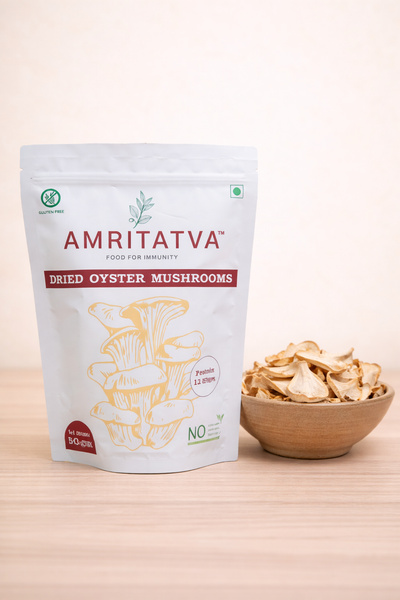
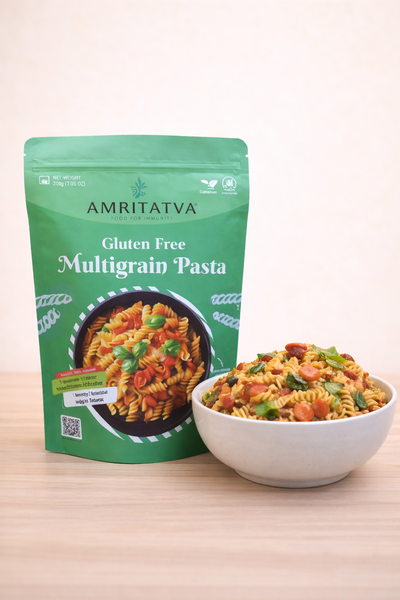
Our product range includes oyster mushroom powder, gluten-free pasta and noodles, seasonings and sattu-based mixes. These products offer different ways to plan meals and explore ingredients, depending on individual preferences and needs.
We do not believe that one ingredient, product or diet is the answer for everyone. Vegan, gluten-free or millet-based foods are not automatically healthier for every person, and no product should be expected to replace a varied diet or appropriate healthcare.
We believe people deserve clear information about what they eat, including ingredients, relevant nutrition details and how products can be used. We also believe that food should be practical and enjoyable—not surrounded by fear or exaggerated promises.
For us, the Amritatva philosophy is a reminder to approach food with care, communicate honestly and make choices that work in real kitchens and real lives.
Frequently Asked Questions
1. What is the Amritatva philosophy?
The Amritatva philosophy centres on living kindly, eating mindfully and choosing balance over extremes. It encourages people to approach food with awareness, understand their choices and build realistic habits. It is not a strict diet or a promise of a particular health outcome. Instead, it is a way of thinking about everyday food, wellbeing and the role that thoughtful choices can play in daily life.
2. What is mindful eating in simple words?
Mindful eating means paying attention to the food you are eating and the experience of eating it. You might notice flavour, texture, hunger and fullness cues, or reduce distractions during a meal when possible. It does not require perfect eating or rigid rules. Research suggests it may help some people become more aware of eating behaviours, although outcomes vary and it is not a guaranteed weight-management method.
3. Does traditional Indian food automatically make a diet healthier?
Not automatically. Indian food traditions include a wide range of ingredients and cooking methods, and the nutritional value of a meal depends on its composition, portions and overall dietary pattern. Dals, vegetables, fruits, pulses and whole grains can contribute to variety, while preparation methods and individual needs also matter. Traditional recipes can be a valuable part of everyday eating when considered alongside current nutrition guidance.
4. How can I eat better without following a strict diet?
Start with manageable changes that suit your life. You could add variety to meals, keep suitable foods available for busy days, compare labels when shopping or give yourself a few minutes to enjoy a meal without distractions. Focus on your overall pattern rather than judging individual foods. If you have a medical condition or specific nutritional needs, personalised advice from a qualified professional can help you choose an appropriate approach.
5. Is mindful eating the same as eating slowly?
They overlap, but they are not exactly the same. Eating at a comfortable pace can help you pay attention to your food, but mindful eating also involves awareness of flavours, distractions, feelings and hunger or fullness cues. It is not about forcing every meal to last a set amount of time. The aim is to be more attentive and less judgemental about your eating experience.
6. Does Amritatva recommend avoiding all packaged foods?
No. Packaged foods can be convenient and can fit into many eating patterns. What matters is understanding the specific product, including its ingredients, nutrition information and suitability for your needs. A product's packaging language alone cannot establish its overall nutritional quality. Amritatva's approach is to encourage informed choices and clear product information rather than fear of particular food categories.
Live Kindly. Choose Mindfully . Keep It Real.
A thoughtful relationship with food is not built in one perfect meal. It grows through small decisions, familiar recipes, curiosity about ingredients and routines that fit your life.
Traditional Indian food wisdom can offer inspiration, while current nutrition guidance helps us evaluate our choices with care. Mindful eating can create space to enjoy meals without unnecessary judgement. And kindness can make healthy habits feel more sustainable.
At Amritatva, we believe food should be approached with honesty, balance and respect for individual needs.
Live kindly. Choose Mindfully . Choose balance over extremes.



0 comments