

Mushroom & Spinach Millet Risotto – An Indian-Style Comfort Meal
Mushroom and spinach millet risotto is a comforting one-pan meal made with cooked millets, sautéed mushrooms, fresh spinach, garlic and mild Indian spices. Instead of traditional Italian rice, this version uses millet for a different texture and flavour. Vegetable stock or warm water helps bring the ingredients together, while the mushrooms add savoury depth and the spinach contributes colour and nutrients.
This recipe is useful when you want to bring variety to everyday Indian meals without relying on complicated ingredients. You can prepare it for lunch, serve it as a light dinner alongside a salad or pair it with a bowl of dal when you need a more substantial meal. The final texture depends on the millet you choose: some varieties become soft and creamy, while others remain more separate and grainy. Either way, the aim is simple—make familiar ingredients enjoyable in a new form.
What Makes Mushroom and Spinach Millet Risotto Worth Trying?
Comfort food does not need to depend on one particular grain or a heavy cream-based sauce. A satisfying dish can come from the combination of texture, seasoning and well-chosen ingredients.
Millets are traditional grains used in different parts of India. Depending on the variety and how they are processed, they can provide dietary fibre, protein and minerals. The Food and Agriculture Organisation (FAO) notes that their nutrient profiles vary by millet type and growing conditions, so it is better not to treat all millets as nutritionally identical. FAO: What are millets?
In this recipe, mushrooms contribute a savoury, earthy flavour, while spinach brings a fresh, slightly vegetal taste. Garlic, black pepper and a small amount of garam masala create an Indian-style flavour profile without overpowering the main ingredients.
The result is a flexible meal—not a miracle food, but a useful way to include whole grains and vegetables in your weekly cooking.
Which Millet Works Best for This Recipe?
You can use foxtail, little, barnyard or pearl millet, depending on what is available in your kitchen. Each variety behaves differently after cooking, so the texture will not be exactly the same as a traditional risotto made with short-grain rice.
| Millet | Texture after cooking | Cooking tip |
|---|---|---|
| Foxtail millet | Tender, with distinct grains | Cook until soft but not mushy |
| Little millet | Relatively light and grainy | Check frequently near the end of cooking |
| Barnyard millet | Can become soft and tender | Add liquid gradually for a softer finish |
| Pearl millet | More pronounced grain texture | Cook thoroughly before combining with vegetables |
For a creamier result, cook the millet until tender and stir it with warm stock towards the end. Avoid adding all the liquid at once if you want more control over the final consistency.
If you are cooking for someone who must avoid gluten, choose ingredients with suitable gluten-free assurance and prevent cross-contact with wheat, barley or other gluten-containing foods.
What Ingredients Do You Need?
Serves: 2
Preparation time: About 10 minutes
Cooking time: About 25–35 minutes, depending on the millet
Ingredients
-
½ cup dry millet, rinsed
-
1½–2 cups sliced mushrooms, such as oyster or button mushrooms
-
1 cup chopped spinach
-
1 small onion, finely chopped
-
2–3 garlic cloves, finely chopped
-
2–2½ cups warm vegetable stock or water, as needed
-
1–2 teaspoons oil or olive oil
-
¼ teaspoon turmeric
-
¼ teaspoon black pepper, or to taste
-
A small pinch of garam masala
-
Salt, to taste
-
1–2 teaspoons lemon juice, optional
-
Chopped coriander or fresh herbs, optional
Optional additions: Peas, roasted vegetables or a small amount of grated cheese can be added to suit your preferences. For a vegan version, use plant-based ingredients and check the stock and any toppings.
How Do You Make Mushroom and Spinach Millet Risotto?
Step 1: Cook the millet
Rinse the millet thoroughly. Cook it in water according to the packet instructions until tender. Drain any excess water if necessary and keep it aside.
For a softer, more cohesive dish, slightly tender millet works better than grains that are still hard in the centre. Avoid overcooking it into a paste unless that is the texture you prefer.
Step 2: Sauté the onion and garlic
Heat the oil in a wide pan over medium heat. Add the chopped onion and cook until softened. Add the garlic and stir for around 30 seconds, taking care not to burn it.
This simple base provides flavour without needing a large quantity of spices.
Step 3: Cook the mushrooms
Add the sliced mushrooms and spread them across the pan. Cook until they release moisture and begin to brown. Stir occasionally rather than continuously; allowing some contact with the hot pan helps develop a deeper, savoury flavour.
If you are using oyster mushrooms, separate them into bite-sized pieces before cooking.
Step 4: Add the spinach and spices
Stir in the turmeric, black pepper, garam masala and salt. Add the spinach and cook until wilted.
Fresh spinach releases moisture as it cooks, so allow excess liquid to evaporate before adding the millet. Adjust the spices to suit your family's taste.
Step 5: Combine with millet and warm stock
Add the cooked millet and stir gently. Pour in a little warm vegetable stock or water and cook for a few minutes, stirring so the ingredients combine.
Continue adding small amounts of liquid until the dish reaches your preferred consistency. It should be moist and cohesive rather than watery. Remember that some millet varieties remain more separate than traditional risotto rice.
Step 6: Finish and serve
Switch off the heat and add lemon juice if desired. Taste and adjust the salt and pepper. Finish with chopped coriander or fresh herbs.
Serve warm. The dish can stand on its own for a simple meal, or be paired with dal, curd or another protein source according to your dietary preferences.
What Does Each Ingredient Contribute?
A recipe can be nutritious without every ingredient needing to make a dramatic health claim.
| Ingredient | What it contributes | Practical note |
|---|---|---|
| Millets | Carbohydrates, with fibre and other nutrients varying by variety and processing | Choose the grain and portion that suit your meal |
| Mushrooms | Savoury flavour and a tender, meaty texture | Browning improves flavour |
| Spinach | Folate, vitamin K and other nutrients | Cooking reduces its volume, making it easy to include in a dish |
| Onion and garlic | Aroma and flavour | Sauté gently to avoid burning |
| Vegetable stock or water | Moisture and helps bind the dish | Check stock labels for salt and dietary requirements |
| Black pepper and garam masala | Warmth and flavour | Start with a small amount and adjust |
Spinach contains iron, but the amount absorbed by the body depends on several factors, including the form of iron and the overall meal. It should not be treated as a guaranteed solution for low iron levels. Similarly, using millets does not automatically make a meal low in calories or suitable for every dietary need.
How Can You Adapt This Recipe for an Indian Kitchen?
One advantage of this recipe is its flexibility. You can change the vegetables, seasonings and sides according to what is available.
-
For a more Indian flavour: Add a small amount of cumin with the onion, or finish with fresh coriander.
-
For extra vegetables: Mix in peas, carrots or roasted pumpkin.
-
For a more substantial meal: Serve with dal or add an appropriate protein source, such as beans or tofu.
-
For a vegan version: Use oil and vegetable stock, and skip dairy-based toppings.
-
For a lunchbox: Keep the mixture slightly moist, as millet can firm up after cooling. Refrigerate leftovers promptly and reheat thoroughly before eating.
-
For children: Keep the spices mild and cut the mushrooms into small pieces.
For a gluten-free meal, check the labels on stock, spice blends and packaged additions, especially if the meal is being prepared for someone with coeliac disease or a medical need to avoid gluten.
How Does Millet Risotto Compare with Traditional Rice Risotto?
Both dishes can be part of a varied diet. Their texture, ingredients and nutritional profiles depend on the grain used and the cooking method.
| Feature | Millet risotto | Traditional rice risotto |
|---|---|---|
| Main grain | A millet variety | Usually a short-grain rice |
| Texture | May be creamy or grainy, depending on the millet | Often creamy with a distinct bite |
| Flavour | Earthy or nutty, depending on the variety | Generally mild, allowing stock and other ingredients to stand out |
| Cooking approach | Often benefits from pre-cooking or careful liquid adjustment | Usually cooked gradually with stock |
| Customisation | Works with Indian spices, mushrooms and greens | Also works with vegetables, herbs and varied seasonings |
Neither version is automatically healthier in every situation. Portion size, added fat, salt, accompanying foods and individual dietary needs all matter. Choose the version you enjoy and can prepare consistently.
How Can Amritatva Fit into Everyday Cooking?
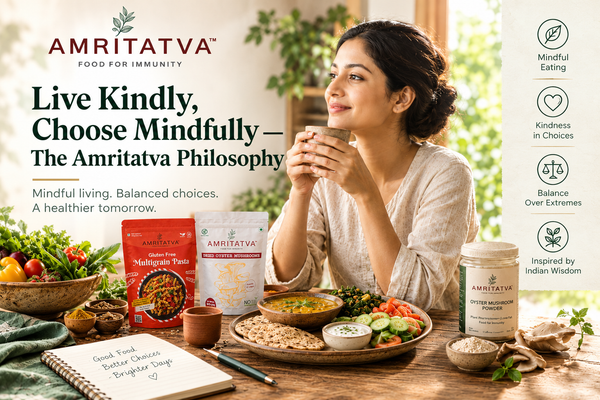
At Amritatva, the focus is on making vegan and gluten-free food choices more practical for everyday Indian meals. Recipes such as this one show how familiar ingredients can be combined in new ways without relying on exaggerated nutrition promises.
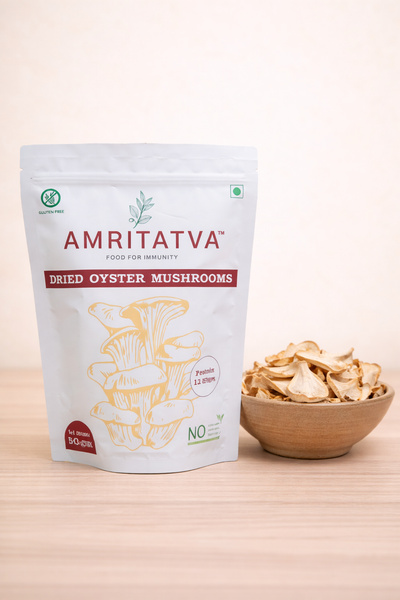
Mushrooms can add savoury depth to a dish, and mushroom powder may be used in selected recipes when its flavour suits the food. If you experiment with mushroom powder in this risotto, start with a small amount, adjust the seasoning and check the product label for its intended use.
The aim is not to make every meal complicated or to replace traditional dishes. It is to build a repertoire of meals that work for your taste, routine and dietary requirements.
Frequently Asked Questions
1. Can I make millet risotto without cream?
Yes. You can make a creamy-style millet dish without cream by cooking the millet until tender and stirring it with warm stock or water. Some varieties release more starch or soften more than others, so the texture will vary. Mushrooms also contribute moisture and savoury flavour. If you prefer a richer finish, you can add a small amount of an ingredient that suits your dietary preferences.
2. Which millet is best for risotto?
There is no single best millet for every cook. Foxtail, little and barnyard millet can all be used, but their texture and cooking time differ. Follow the packet instructions and check for tenderness before combining the grain with the vegetables. If you want a softer result, add warm liquid gradually and stir gently. Try a small batch first to find the variety your family enjoys most.
3. Are mushrooms and spinach enough to make this a complete meal?
They add flavour and nutrients, but whether the meal is balanced depends on the portions and the rest of your diet. Millet provides carbohydrates, while mushrooms and spinach contribute other nutrients. For a more substantial meal, consider serving the risotto with dal, beans, tofu or another protein source that fits your needs. No single combination is automatically complete for everyone.
4. Is millet risotto gluten-free?
Millets themselves are naturally gluten-free, but a finished recipe can be exposed to gluten through stock, spice blends, packaged ingredients or kitchen cross-contact. If you need to avoid gluten for coeliac disease or another medical reason, select suitable gluten-free ingredients and use clean equipment and preparation surfaces. Do not assume that a dish is safe solely because its main grain is millet.
5. Can I prepare millet risotto ahead of time?
You can cook the millet and prepare the vegetables ahead, then combine and finish them closer to serving. Refrigerate cooked ingredients promptly in covered containers. When reheating, heat thoroughly and add a little water or stock if the mixture has become dry. Avoid leaving cooked grains at room temperature for extended periods, and follow food-safety guidance for storage and reheating.
6. Can I use oyster mushrooms instead of button mushrooms?
Yes. Oyster mushrooms work well because they have a savoury flavour and tender texture when cooked. Tear or slice them into manageable pieces and cook until their released moisture has mostly evaporated. Button mushrooms are another option and may be easier to find in some markets. The final flavour will differ slightly, so adjust the pepper, herbs and seasoning to suit your preference.
A Simple Way to Rethink Comfort Food
A comforting meal can be built from everyday ingredients, thoughtful seasoning and a cooking method that suits your routine. This mushroom and spinach millet risotto brings together a traditional Indian grain with mushrooms and greens in a flexible recipe you can adapt to your kitchen.
Start with the millet you already have, cook it until tender and adjust the seasoning to your taste. The most useful recipe is one you enjoy enough to make again.


0 comments