

Healthy eating does not have to mean following strict food rules, preparing complicated meals, or avoiding every packaged food. One simple habit can make balanced eating much easier: preparation.
When fruits are ready to eat, vegetables are prepared for cooking, a few meals are planned, and simple snacks are available, making a balanced food choice can become more practical during a busy day. The aim is not to create a perfect diet or depend on willpower. It is to make suitable food choices easier to access when you are hungry, tired or short on time.
WHO describes a healthy diet around adequacy, balance, moderation and diversity, with a variety of nutritious foods forming its foundation. For an Indian household, this can include familiar foods such as dal, vegetables, fruits, pulses, millets, rice, roti, nuts and seeds.
So rather than asking, “How can I follow a perfect diet?”
Ask:
“How can I make a balanced choice easier today?”
What does “clean eating” actually mean?
“Clean eating” is not a formal medical or nutrition category. It should not become a rigid list of foods labelled “good” or “bad.”
A more useful approach is to look at your overall eating pattern.
WHO recommends a varied diet that includes foods such as vegetables, fruits, pulses, whole grains and suitable sources of protein, while limiting foods high in unhealthy fats, free sugars and sodium.
For an Indian household, that can include familiar foods such as:
- Dal with rice or roti
- Vegetable sabzi with roti or millet
- Moong dal chilla
- Poha with vegetables and peanuts
- Idli with sambar
- Chana or rajma with rice
- Fruits with nuts or seeds
- Homemade snacks
WHO India also notes that the exact composition of a healthy diet varies according to individual needs, locally available foods and dietary customs.
Healthy eating therefore does not need to look foreign or complicated. It can start with organising the foods your family already enjoys.
Why can preparation make healthy eating easier?
Convenience matters.
After a long working day, school run, commute or household routine, the food that requires the least effort can become the easiest choice.
Preparation changes the food environment around you.
If fruit is ready to eat, vegetables are prepared for cooking and a simple snack is already portioned, you have reduced some of the effort involved in making a food choice.
The CDC recommends meal planning and keeping nutritious snacks available at home or work as practical ways to make healthier choices easier.
This does not mean healthy eating depends on willpower.
It means your surroundings can either make a choice easier or make it harder.
What can you prepare in advance in an Indian kitchen?
You do not need to cook seven complete meals every Sunday.
Start with the things that regularly create stress during your week.
1. Keep fruits accessible
Keep convenient fruits where the family can easily see and reach them.
Depending on the fruit and storage requirements, wash or prepare them appropriately in advance.
2. Portion nuts and seeds
Instead of repeatedly reaching into a large packet, place a suitable portion into a small container.
This makes snacks convenient and also makes the amount you are eating easier to see.
3. Prepare vegetables for cooking
Cleaning and cutting vegetables ahead of time can make weekday cooking easier.
Follow appropriate food-safety and refrigeration practices, particularly for cut or cooked foods.
4. Plan your dal, beans and chana
If pulses are part of your family's regular meals, decide in advance what you are likely to cook.
For example:
| Day | Simple meal idea |
|---|---|
| Monday | Moong dal |
| Tuesday | Chana |
| Wednesday | Vegetable khichdi |
| Thursday | Rajma or lobia |
| Friday | Dal with vegetables |
The exact menu does not matter as much as having realistic options ready before the week gets busy.
5. Keep a few breakfast options ready
Poha, sattu, besan chilla, idli, vegetable upma or a simple leftover-dal meal can work depending on your family's preferences and dietary requirements.
The goal is not to create a restaurant-style breakfast every morning.
It is simply to avoid reaching breakfast time with no plan.
Does meal preparation mean eating the same food every day?
No.
Preparation does not mean preparing identical meals for the entire week.
You can prepare ingredients rather than complete dishes.
For example, cooked chana can be used in one meal and combined with vegetables in another. Prepared vegetables can be used for poha, upma, pulao or a quick sabzi.
This also makes it easier to include variety.
Dietary diversity is one of the principles WHO identifies as part of a healthy diet.
Without preparation vs with simple preparation
| Without preparation | With simple preparation |
|---|---|
| Decide what to eat when already hungry | Have a few options ready |
| Depend on whatever is immediately available | Nutritious ingredients are easier to access |
| More cooking decisions during busy hours | Some preparation is already done |
| More last-minute choices | A few meals are already planned |
| Healthy eating can feel difficult to organise | The routine becomes more manageable |
This does not mean every homemade meal is automatically healthier than every packaged meal. Ingredients, portions, preparation methods and the overall dietary pattern still matter.
How can you prepare food without spending your entire weekend in the kitchen?
Keep the system small.
Try a 20–30 minute preparation routine once or twice a week.
You could:
- Check what vegetables and fruits are already available.
- Plan three or four main meals.
- Organise breakfast ingredients.
- Portion nuts or seeds.
- Check dal, chana and rajma requirements.
- Keep one quick meal option available.
- Make a realistic grocery list.
- Place frequently used ingredients where they are easy to find.
You do not need to prepare everything.
Prepare the things that usually create the most last-minute stress.
Can traditional Indian food fit into a practical healthy eating routine?
Absolutely.
Indian kitchens already have many foods that can contribute to a varied diet: pulses, vegetables, fruits, cereals, millets, nuts, seeds and other locally available ingredients.
WHO India specifically notes that healthy diets should reflect individual needs, locally available foods and dietary customs.
That means improving your eating routine does not necessarily require replacing traditional food with completely different foods.
Sometimes the change is simply better planning and preparation.
What should you keep ready for busy working days?
Think in terms of meal building blocks, rather than an elaborate weekly diet chart.
Breakfast
- Poha
- Sattu
- Besan chilla
- Idli with sambar
- Vegetable upma
Lunch
- Dal + rice/roti
- Rajma or chana + rice
- Vegetable pulao + dal
- Millet + vegetables + dal
Evening snack
- Fruit
- Nuts or seeds
- Homemade snack
- Roasted chana
Dinner
- Dal + sabzi + roti
- Khichdi + vegetables
- Millet + dal + sabzi
- Simple vegetable and pulse-based meal
The right combination depends on individual nutritional needs, preferences, culture and dietary restrictions.
Does healthy eating mean avoiding packaged foods completely?
No.
“Clean eating” should not automatically become a rule that says “never eat packaged food.”
Some packaged foods can provide convenience, particularly when they fit your dietary needs and preferences.
The useful habit is to read the label and understand what you are buying.
Depending on the product, check:
- Ingredient list
- Serving size
- Added sugars, where applicable
- Sodium or salt
- Protein and fibre, where relevant
- Allergen information
- Dietary claims such as gluten-free or vegan, where relevant
For people who need to follow a medically necessary gluten-free diet, checking labels and information about possible cross-contact is especially important.
The goal is not to fear packaged food.
It is to become a more informed food shopper.
How can preparation help families build better food habits?
The foods that are visible and accessible at home can influence what becomes part of the family's routine.
Preparation can also become a family activity.
Depending on their age, children can help:
- Arrange fruits
- Organise ingredients
- Choose vegetables for a meal
- Help with simple food preparation
- Plan one family meal
The objective is not to turn every meal into a nutrition lesson.
It is to make food preparation a normal part of everyday life.
How can you use this habit in everyday Indian cooking?
Try this simple Friday Preparation Checklist:
☐ Check vegetables and fruits at home
☐ Plan 3–4 main meals
☐ Keep breakfast ingredients ready
☐ Portion nuts or seeds for snacks
☐ Check dal, chana or rajma requirements
☐ Keep one quick meal option available
☐ Make a realistic grocery list
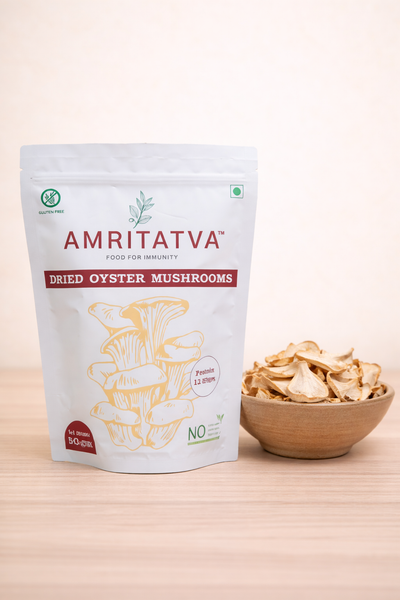
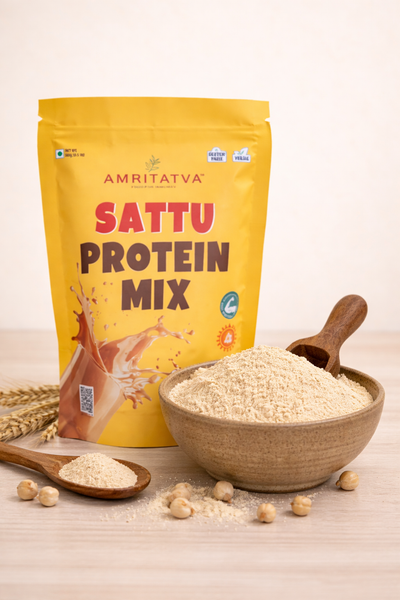
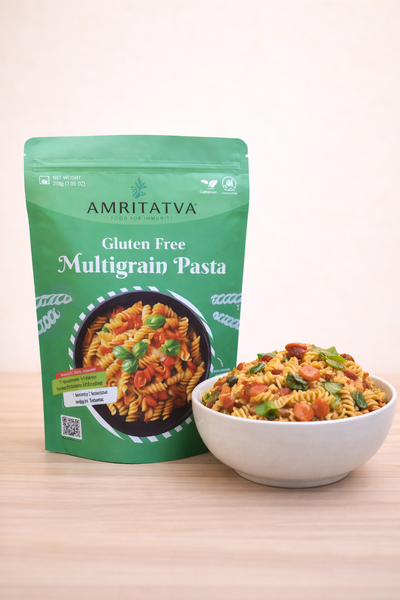
For households looking for convenient vegan and gluten-free options, Amritatva products can also be incorporated alongside everyday Indian meals. The range includes mushroom-based products, sattu, gluten-free pasta, gluten-free noodles and seasonings.
The idea is not to replace fresh home cooking.
It is to make suitable food choices more convenient when life gets busy.
Can one small habit really change your eating routine?
One habit cannot guarantee a particular health outcome.
But preparation can change the environment in which food decisions happen.
Instead of waiting until you are hungry, tired or rushed to decide what to eat, you have already created a few options.
That can make consistency more practical.
Healthy eating does not have to begin with a complete lifestyle transformation.
It can begin with:
One grocery list.
One prepared ingredient.
One ready snack.
One simple meal plan.
Then repeat what genuinely works for your family.
Frequently Asked Questions
1. What is the easiest healthy eating habit to start with?
A simple place to start is food preparation. Keep a few nutritious foods accessible and plan several meals before the week becomes busy. This could mean organising fruit, portioning nuts, preparing vegetables or deciding what you will cook for the next few days. The aim is not perfection; it is to make balanced choices more convenient when you are hungry or short on time.
2. Is meal preparation necessary for healthy eating?
No. Meal preparation is a practical tool, not a requirement. Some people prefer cooking fresh every day, while others save time by preparing ingredients in advance. What matters more is the overall dietary pattern. WHO identifies adequacy, balance, moderation and diversity as core principles of a healthy diet.
3. What Indian foods can I prepare or organise in advance?
Depending on your household and storage facilities, you can plan ingredients for dal, chana, rajma, poha, vegetables, millet dishes and simple breakfasts. Fruits, nuts and seeds can also be made easily accessible for snacks. Cooked and cut foods need appropriate refrigeration and food-safety practices, so preparation should always take storage conditions into account.
4. Does homemade food always mean healthier food?
Not automatically. Home cooking gives you more control over ingredients and preparation, but the nutritional quality still depends on what you cook, portions and cooking methods. A varied home-cooked diet can include vegetables, pulses, whole grains or millets and suitable protein sources, while still leaving room for cultural foods and personal preferences.
5. How can working people eat more practically without spending hours cooking?
Focus on preparation that removes the biggest sources of weekday stress. Plan several meals, organise breakfast ingredients, prepare suitable vegetables and keep convenient snacks available. The CDC recommends meal planning and stocking nutritious snacks as practical ways to make healthier choices easier.
6. What does Amritatva mean by making healthy food practical?
For Amritatva, practicality means creating vegan and gluten-free food options that can fit into real Indian routines. Products such as sattu, mushroom-based foods, gluten-free pasta, gluten-free noodles and seasonings can be used alongside everyday meals. The broader idea is simple: suitable food should be convenient enough to fit naturally into a busy household routine.
0 comments