

How have food habits changed across generations?
Food habits have changed because everyday life has changed. Indian families have moved from largely home-based food preparation towards a food environment with more packaged products, eating out, delivery and convenience foods. At the same time, traditional ingredients such as millets, pulses, fermented foods and regional grains are finding renewed interest.
That does not mean that food was automatically healthier in the past or that modern food is automatically unhealthy. Earlier generations also faced challenges such as limited food availability, nutrient deficiencies and fewer choices. Today, many people have greater access to diverse foods, but also face a wider availability of highly processed convenience foods.
WHO’s current healthy-diet guidance focuses on four principles: adequacy, balance, moderation and diversity. It also identifies minimally processed and unprocessed foods as the foundation of a healthy diet.
The useful question, therefore, is not “Was food better before?”
It is:
“Which food habits from the past still make sense today?”
What was different about traditional Indian eating?
Traditional Indian food varied enormously by region, season, community and household. A Rajasthani meal was not the same as a Bengali, Tamil, Punjabi or Assamese meal.
Yet many traditional Indian kitchens commonly worked with familiar building blocks: cereals and millets, dals and pulses, vegetables, fruits, spices, nuts and seeds, along with dairy or other protein sources depending on the household.
Food preparation was also closely connected to the home. Dal was soaked and cooked. Vegetables were prepared for the meal. Rotis, rice, khichdi, poha, upma, idli, dosa and other regional staples were made in different ways across India.
Some foods were preserved through traditional methods such as drying, pickling and fermentation.
These practices were not necessarily followed because people were thinking about modern nutrition terminology. They were simply part of food culture, availability and household routines.
Today, some of these practices are being revisited because they fit well with current conversations around dietary variety, minimally processed foods and sustainable food systems.
What has modern life changed about the way we eat?
The biggest change may not be a single ingredient. It is the food environment around us.
Urbanisation, changing work patterns, smaller households, longer commutes, digital food delivery and greater availability of packaged foods have all influenced what people eat and how often they prepare food at home.
WHO notes that rapid urbanisation and changing lifestyles have contributed to shifts in dietary patterns, including greater availability and consumption of highly processed foods. WHO India has also specifically examined the growth of ultra-processed food sales and its implications for healthy eating in India.
Convenience itself is not the problem.
A packaged food can be useful when someone has limited time. Frozen vegetables can be practical. Ready-to-cook ingredients can make home cooking easier. The important question is what the overall diet looks like and how often highly processed foods replace more diverse foods.
Have meal timings changed too?
For many families, yes—but there was never one universal traditional Indian meal schedule.
Earlier routines were often more closely connected to household work, school and working hours. Today, smartphones, late working hours, commuting, social schedules and food delivery can make eating times less predictable.
Rather than assuming that one historical routine was perfect, it is more useful to create a routine that works for modern life.
For example:
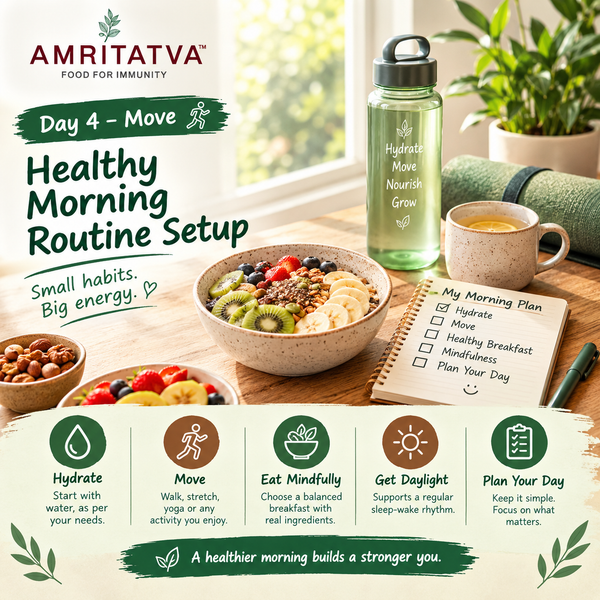
- Plan breakfast instead of regularly skipping it because of rushing.
- Keep simple ingredients available for lunch.
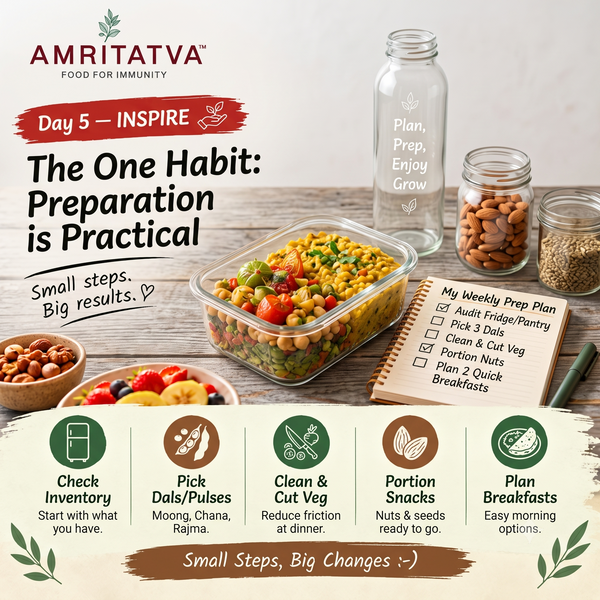
- Prepare some components of dinner in advance.
- Keep practical snacks available instead of depending entirely on packaged options.
- Try to eat without constantly multitasking with screens.
- Build meals around a variety of food groups.
The goal is consistency, not perfection.
Why are traditional Indian foods becoming popular again?
One reason is that many traditional ingredients fit naturally into conversations about dietary diversity.
Millets are a good example. India has a long history of millet cultivation and consumption, and FAO has highlighted India’s work around millets, including their role in food and nutrition security, climate resilience and farmer livelihoods.
Similarly, pulses such as moong dal, chana, rajma and other legumes remain familiar sources of plant protein in Indian cooking.
Fermented foods are another example. Idli, dosa batter, dhokla, kanji and several regional preparations demonstrate that fermentation has long been part of Indian food culture.
This does not mean every traditional food is automatically healthier, or that every modern food is inferior.
It means that traditional food culture gives us a large collection of ingredients and cooking practices that can still be useful today.
What does modern nutrition add to traditional food wisdom?
Modern nutrition helps us ask more specific questions.
Instead of simply saying “eat traditional food,” we can ask:
- Is the meal diverse?
- Does it include vegetables or fruit?
- Is there a source of protein?
- Are whole grains or pulses included where appropriate?
- How much added or free sugar is being consumed?
- How much salt is present?
- How frequently are highly processed foods replacing regular meals?
WHO currently recommends that people over 10 aim for at least 400 g of fruits and vegetables per day, while free sugars should remain below 10% of total daily energy intake. WHO also recommends limiting adult salt intake to less than 5 g per day. These are population-level recommendations, not a prescription for every individual meal.
This is where modern nutrition and traditional food culture can complement each other.
Can convenience and traditional food coexist?
Absolutely.
The choice does not have to be:
Traditional food OR modern convenience.
It can be:
Traditional ingredients + modern practicality.
For example:
| Traditional approach | Modern adaptation |
|---|---|
| Dal and rice | Batch-cook dal and keep portions ready |
| Millet-based meals | Use millet in khichdi, dosa or other familiar recipes |
| Homemade snacks | Prepare simple snacks for 2–3 days |
| Seasonal vegetables | Use fresh or frozen vegetables depending on availability |
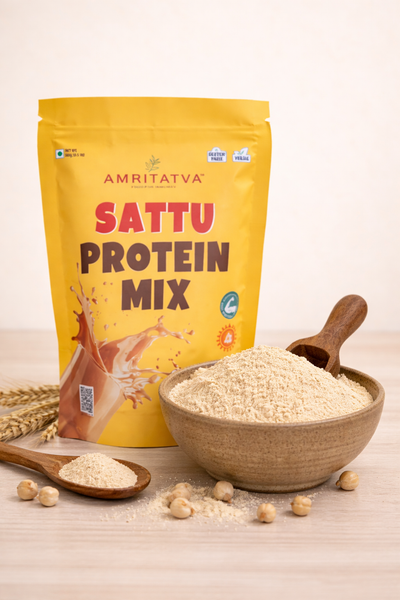
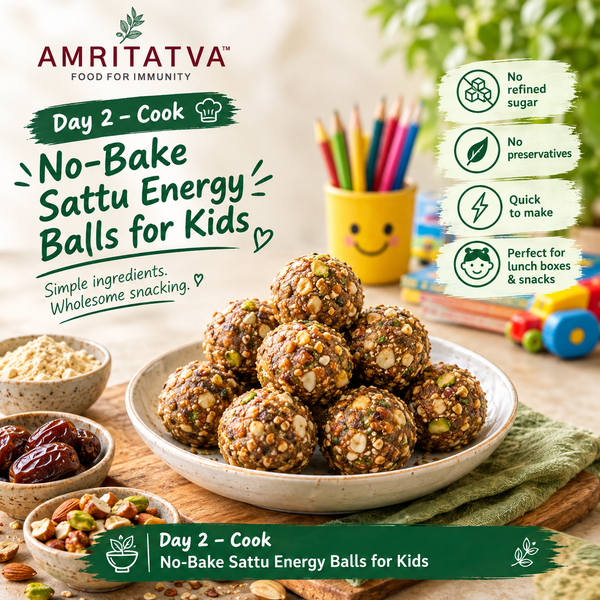
| Sattu | Use it in sharbat, chilla, laddoo-style snacks or other familiar preparations |
| Spice-based cooking | Use convenient seasoning blends while still checking the ingredient label |
The purpose is not to recreate a 1980s kitchen.
It is to make good food habits practical for a 2026 household.
What can Indian families bring back from traditional food habits?
There are several habits worth reconsidering:
1. Make variety a habit
Instead of depending on the same few foods every day, rotate cereals, millets, pulses, vegetables, fruits, nuts and seeds.
2. Keep familiar Indian foods on the table
Dal, khichdi, poha, upma, idli, dosa, sabzi, roti, rice and regional dishes can all be part of a balanced eating pattern.
3. Cook in ways that fit your schedule
Home cooking does not need to mean cooking everything from scratch every day. Preparation, batch cooking and convenient ingredients can reduce the workload.
4. Read packaged-food labels
A modern kitchen will probably contain some packaged foods. Instead of fearing them, understand them.
Look at the ingredient list, serving information and nutrition panel, particularly for sugar, sodium and fats.
5. Treat snacks as part of the overall diet
A snack does not need to be perfect. Fruit, nuts, homemade sattu preparations or other simple foods can be rotated according to age, dietary needs and household preferences.
How is Amritatva approaching this changing food culture?
At Amritatva, the idea is not to present traditional food and modern food as opposites.
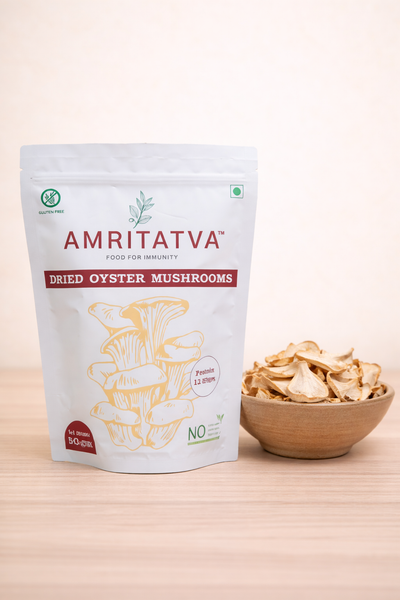
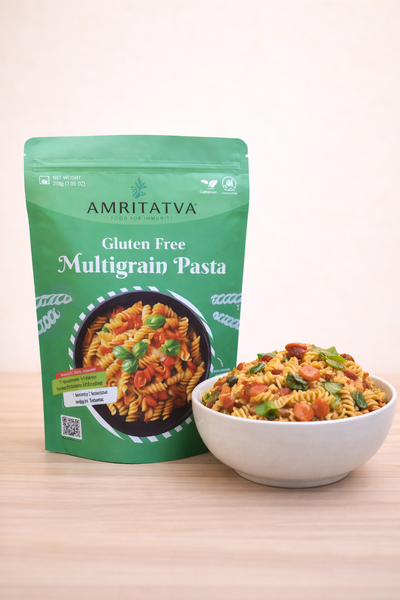
Our products are designed around familiar ingredients and everyday convenience, including sattu-based foods, mushroom-based products, gluten-free pasta and noodles, and seasonings.
The broader idea is simple: make it easier to bring ingredients such as millets, roasted gram and mushrooms into familiar meals rather than asking families to completely change the way they eat.
For us, food innovation should still feel connected to the Indian kitchen.
What should the next generation learn about food?
Perhaps the most useful lesson is not a particular ingredient.
It is food awareness.
Children can learn that food comes in many forms. A packet is not automatically bad, and a traditional food is not automatically perfect. Meals can be convenient and still be thoughtfully planned.
Parents can involve children in simple activities such as washing vegetables, mixing ingredients, reading food labels or helping prepare a familiar snack.
Over time, these small experiences can help children understand food beyond the idea of simply being “healthy” or “unhealthy.”
WHO notes that dietary preferences and behaviours established during childhood and adolescence can extend into adulthood.
That makes everyday food habits worth paying attention to.
What does a balanced future of eating look like?
The future does not need to choose between the kitchen of our grandparents and the convenience of modern life.
It can take useful elements from both.
From traditional food culture, we can retain variety, regional ingredients, seasonal eating, pulses, grains, millets and familiar cooking practices.
From modern nutrition, we can add label awareness, food-safety knowledge, nutrition science and a better understanding of dietary balance.
And from modern convenience, we can keep the things that genuinely help families save time without letting convenience completely determine the diet.
Food habits will continue to change.
The opportunity is to make sure that convenience does not replace variety—and that tradition continues to evolve rather than simply being remembered.
Frequently Asked Questions
1. Were people healthier because they ate traditional food?
Not necessarily. Traditional diets differed greatly between communities and generations, and past populations also experienced undernutrition and nutrient deficiencies. What can be useful today are specific practices such as dietary variety, pulses, whole grains, seasonal foods and home preparation. Modern nutrition helps us evaluate these practices based on evidence rather than assuming that everything traditional was automatically healthier.
2. Are traditional foods always healthier than packaged foods?
No. A food being traditional does not automatically make it nutritious, and packaged food is not automatically unhealthy. Nutrition depends on ingredients, preparation, portion size and the overall diet. Some packaged foods can provide convenience, while some traditional foods can be high in sugar, salt or saturated fat. Reading labels and considering the whole eating pattern is more useful than judging food only by whether it is traditional or packaged.
3. Why are millets becoming popular again in India?
Millets have long been part of Indian food culture, although their use varies across regions. Their renewed attention is connected to nutrition, food diversity, agricultural resilience and sustainability discussions. FAO has highlighted India’s work on millets through initiatives focused on sustainable production, processing, nutrition and farmer livelihoods.
4. How can busy families eat more traditional Indian food?
Start with practical changes rather than trying to cook everything from scratch. Keep dal, grains, vegetables and simple snack ingredients available. Batch-cook selected foods, use convenient preparation methods and rotate familiar Indian meals through the week. Traditional food does not have to mean complicated cooking. The aim is to make nutritious and culturally familiar choices easier to fit into a busy household.
5. Is processed food always unhealthy?
No. Processing includes many ordinary food practices, including milling, cooking, drying and fermentation. The bigger nutritional question is the composition and role of a food in the overall diet. Highly processed products that are high in free sugars, sodium or unhealthy fats deserve more attention. WHO recommends diets centred on a variety of minimally processed and unprocessed foods while limiting foods high in these components.
6. What is the biggest difference between traditional and modern eating?
There is no single difference for every family. One broad change is the food environment: modern households have greater access to packaged foods, eating out, delivery and convenience products alongside traditional ingredients. Work patterns and urban lifestyles have also changed. Rather than choosing one era over another, families can combine practical convenience with diverse meals and thoughtful food choices.
0 comments