

Can your gut really influence your mood?
Have you ever noticed that stress can affect your digestion, or that digestive discomfort can make a difficult day feel even more challenging? The connection between the gut and brain is real, and scientists call it the gut–brain axis.
This communication network involves nerves, hormones, immune signals and chemical messengers. The microorganisms living in the digestive system—the gut microbiome—may also contribute through the compounds they produce.
What we eat matters because different foods provide different nutrients and types of dietary fibre. Along with vegetables, fruits, pulses and whole grains, edible mushrooms such as oyster and shiitake are interesting ingredients in nutrition research because they contain distinctive fibres and beta-glucans.
The science is still developing, particularly when it comes to mood and mental health. But understanding the gut–brain connection gives us another reason to build varied, balanced eating habits.
1. What is the gut–brain axis?
The gut–brain axis is the two-way communication system connecting the digestive tract and the central nervous system.
It works through several pathways:
-
Nervous system: The vagus nerve carries information between the digestive system and the brain.
-
Hormonal signals: Hormones and other chemical messengers help coordinate digestive and bodily functions.
-
Immune communication: The gut and immune system interact through several signalling pathways.
-
Gut microorganisms: Bacteria and other microbes produce metabolites that may influence the gut environment and wider biological processes.
One important example is the production of short-chain fatty acids (SCFAs). Certain gut bacteria produce these compounds when they ferment dietary fibre.
Researchers are investigating how SCFAs and other microbial metabolites influence intestinal health, immune activity and communication along the gut–brain axis.
In simple terms, the gut and brain are not separate systems. They communicate continuously.
2. How can gut bacteria interact with mood and mental wellness?
The gut microbiome is involved in several processes that scientists are studying for their possible relationship with brain function.
Chemical messengers
Gut microorganisms can influence the availability of certain neuroactive compounds and their building blocks.
Serotonin is often mentioned in discussions about gut health. Most of the body's serotonin is produced in the gastrointestinal tract, where it has important roles in intestinal function. However, gut-produced serotonin does not directly cross the blood–brain barrier. It is therefore inaccurate to say that gut serotonin simply travels to the brain and makes us happy.
Short-chain fatty acids
When certain gut bacteria ferment dietary fibre, they produce SCFAs such as acetate, propionate and butyrate. These compounds support several functions in the intestinal environment and are being studied for their wider metabolic and immune roles.
Immune communication
The gut microbiome interacts with the body's immune system. Scientists are studying how these interactions may influence inflammatory signalling and communication between the gut and brain.
These are important areas of research, but they do not establish that a particular food can prevent or treat anxiety, depression or other mental-health conditions.
3. Why is dietary fibre important for gut bacteria?
Dietary fibre is not only important for bowel regularity. Some types of fibre also serve as food for microorganisms living in the large intestine.
When gut bacteria ferment suitable fibres, they produce metabolites such as short-chain fatty acids. This is one reason dietary variety matters.
Different foods provide different types of fibre:
| Food | Examples | Why include it? |
|---|---|---|
| Pulses | Chana, rajma, moong, masoor dal | Provide fibre and plant nutrients |
| Whole grains | Jowar, bajra, ragi, oats | Add fibre and variety |
| Vegetables | Carrots, beans, bhindi, leafy greens | Provide different fibre types |
| Fruits | Guava, banana, papaya | Contribute fibre and micronutrients |
| Seeds and nuts | Flaxseeds, chia, peanuts | Add fibre, fats and other nutrients |
| Edible mushrooms | Oyster and shiitake | Provide mushroom-specific dietary fibres and beta-glucans |
A useful principle is to eat a variety of plant foods rather than relying on one so-called superfood.
4. What makes oyster and shiitake mushrooms interesting for gut health research?
This is where everyday edible mushrooms become particularly interesting.
Oyster and shiitake mushrooms are valued in cooking for their flavour and texture. They also contain naturally occurring dietary fibres and polysaccharides, including beta-glucans.
These compounds are attracting scientific interest because some mushroom fibres are not fully digested in the upper digestive tract. They may interact with gut microorganisms in the large intestine.
Oyster mushrooms — Pleurotus ostreatus
Oyster mushrooms have a mild flavour and soft, meaty texture. They can be used in Indian curries, soups, stir-fries, pulao and many other dishes.
From a nutrition perspective, oyster mushrooms contain dietary fibre and beta-glucans. Researchers are investigating how mushroom polysaccharides interact with gut microorganisms and contribute to the production of microbial metabolites.
How to use them: Add rehydrated oyster mushrooms to dal, vegetable pulao, curries, soups or stir-fries.
Shiitake mushrooms — Lentinula edodes
Shiitake mushrooms are known for their deep, savoury umami flavour. They are widely used in Asian cooking and can also work beautifully in Indian recipes.
Shiitake contains naturally occurring polysaccharides, including beta-glucans. One well-known shiitake compound, lentinan, has been studied extensively, although findings from specific extracts should not be treated as proof of a health benefit from ordinary servings of shiitake.
How to use them: Rehydrate dried shiitake mushrooms and add them to vegetable soups, noodles, fried rice, gravies or mushroom masala.
What does the research actually say?
Reviews of edible mushroom research suggest that mushroom fibres and polysaccharides may interact with gut microorganisms and influence microbial activity. However, much of the evidence comes from laboratory and animal studies. More well-designed human studies are needed to understand the effects of specific mushroom varieties, portions and preparations.
This means oyster and shiitake mushrooms are valuable ingredients to explore as part of a varied diet—not medicines or guaranteed solutions for gut or mental-health concerns.
5. What are beta-glucans, and why are they studied?
Beta-glucans are naturally occurring complex carbohydrates found in certain foods, including mushrooms, oats and barley.
Their structure differs depending on the source. Mushroom beta-glucans have attracted research interest because of their interactions with the immune system and their potential relationship with gut microorganisms.
In the context of gut research, scientists are exploring whether mushroom-derived polysaccharides can:
-
Serve as substrates for certain gut microorganisms.
-
Influence microbial fermentation.
-
Contribute to the production of short-chain fatty acids.
-
Interact with intestinal and immune signalling.
However, beta-glucans are not all identical. Their structure, source, processing and quantity matter. Findings from a concentrated extract cannot automatically be applied to every mushroom food or product.
The practical takeaway is simple: include edible mushrooms as part of a varied diet, without expecting one compound to deliver a guaranteed health outcome.
6. How can you add oyster and shiitake mushrooms to everyday Indian meals?
You do not need to change your entire cooking routine to enjoy mushrooms. Both dried oyster and shiitake mushrooms can be used in familiar dishes.
| Everyday meal | Mushroom idea | Practical preparation |
|---|---|---|
| Dal | Oyster mushroom dal | Add chopped, rehydrated oyster mushrooms while simmering |
| Khichdi | Shiitake vegetable khichdi | Add sliced shiitake with vegetables and spices |
| Pulao | Oyster mushroom pulao | Sauté mushrooms with whole spices before adding rice |
| Soup | Shiitake clear soup | Simmer rehydrated mushrooms with vegetables |
| Noodles | Mushroom vegetable noodles | Add sautéed oyster or shiitake mushrooms |
| Curry | Mushroom masala | Cook mushrooms with onion, tomato and everyday spices |
A simple preparation tip: Dried mushrooms need rehydration before most recipes. Follow the pack instructions, wash or clean as appropriate, and cook thoroughly. Their savoury flavour can add depth to a dish without requiring complicated ingredients.
7. How does Amritatva make mushrooms easier to include in daily food?
At Amritatva, mushrooms are not just an occasional ingredient. They are an important part of our food range.
We focus on practical mushroom-based products that can fit into familiar Indian cooking, so consumers can explore these ingredients without needing to learn an entirely new way of eating.
Here are some ways to bring them into your kitchen:
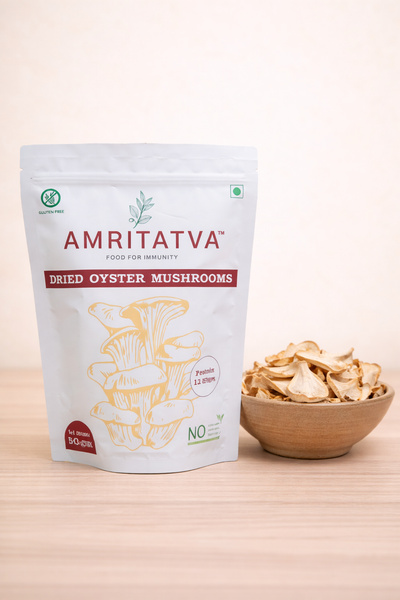
Amritatva Dried Oyster Mushrooms
Our dried oyster mushrooms are a convenient pantry ingredient for people who enjoy cooking with mushrooms.
Use them in:
-
Dal and khichdi.
-
Vegetable pulao and biryani.
-
Soups and curries.
-
Stir-fries and pasta.
Product: Amritatva Dried Oyster Mushrooms
Amritatva Dried Shiitake Mushrooms
Shiitake mushrooms bring a distinctive umami flavour to everyday cooking. They are especially useful when you want to add depth to soups, noodles, rice dishes and gravies.
Product: Amritatva Dried Shiitake Mushrooms
Amritatva Oyster Mushroom Powder
For those who prefer a convenient format, oyster mushroom powder can be incorporated into everyday recipes.
Try adding it to:
-
Dal and soups.
-
Vegetable gravies.
-
Rice preparations.
-
Smoothies, if the flavour suits your recipe.
-
Dough or flour mixes.
It is a simple way to experiment with oyster mushrooms without preparing whole mushrooms every time.
Product: Amritatva Oyster Mushroom Powder
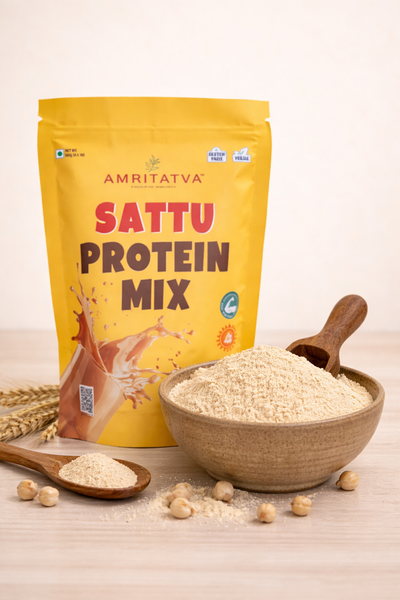
Amritatva Mushroom Sattu
Sattu is already familiar in many Indian kitchens. Amritatva's sattu range combines roasted chana flour with oyster mushroom powder, bringing together a traditional ingredient and a mushroom-based addition.
It can be prepared as a drink or used in suitable recipes such as parathas and other savoury preparations.
Product: Amritatva Sattu Mix
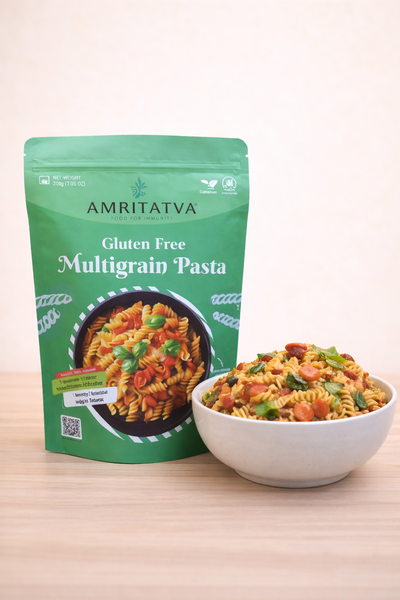
Mushroom-based pasta, noodles and seasonings
For convenient meals, Amritatva also offers gluten-free pasta and noodles with seasonings. These products provide another way to explore mushroom-led food choices in familiar meal formats.
Explore the complete range at Amritatva.com.
Our approach: We believe mushrooms should be understood as food ingredients first. Their nutritional composition makes them interesting, but no single mushroom product should be presented as a treatment for digestive or mental-health conditions.
8. What other habits support a healthy gut?
Mushrooms are one part of a much bigger picture. A balanced approach includes a variety of foods and consistent daily habits.
| Habit | A practical way to begin |
|---|---|
| Eat varied fibre sources | Rotate pulses, vegetables, fruits and whole grains |
| Include edible mushrooms | Add oyster or shiitake to familiar recipes |
| Choose suitable fermented foods | Include curd with live cultures if tolerated |
| Stay hydrated | Drink water regularly through the day |
| Eat mindfully | Slow down and notice hunger and fullness |
| Maintain a routine | Aim for consistent meal and sleep timings |
| Stay physically active | Include regular movement that suits your ability |
If you currently eat very little fibre, increase it gradually. A sudden increase can cause bloating or gas. People with IBS or other digestive conditions may need individual guidance about suitable foods and portions.
9. Does improving gut health guarantee better mental wellness?
No. This distinction is important.
Research into the gut–brain axis is promising, but the relationship between the microbiome and mental health is complex. Diet is only one of many factors that influence emotional well-being.
Sleep, stress, genetics, medical conditions, relationships, life experiences and social support also matter.
Eating a varied diet can support general health, but it is not a substitute for professional help. If you experience persistent low mood, anxiety or emotional distress, speak with a qualified healthcare professional.
Frequently Asked Questions
1. What is the gut–brain axis?
The gut–brain axis is a two-way communication network connecting the digestive system and the brain. It involves nerves, hormones, immune signals and chemical messengers. Gut microorganisms may also contribute through the substances they produce. Researchers are studying how this relationship may influence stress, mood and brain function.
2. Can gut bacteria affect your mood?
Gut bacteria may influence biological pathways involved in stress responses and brain signalling. Researchers have observed associations between gut microbiome patterns and certain mental-health conditions. However, this does not prove that gut bacteria directly cause mood changes. Mental wellness is influenced by many biological, psychological and social factors.
3. Are oyster mushrooms good for gut health?
Oyster mushrooms contain dietary fibre and beta-glucans, which are being studied for their interactions with gut microorganisms. Research suggests that some mushroom polysaccharides may influence microbial activity, but more human studies are needed. Oyster mushrooms can be enjoyed as part of a varied, balanced diet rather than as a treatment for digestive problems.
4. Are shiitake mushrooms a source of beta-glucans?
Yes. Shiitake mushrooms naturally contain beta-glucans and other polysaccharides. One well-known shiitake compound is lentinan, which has been studied in research settings. However, findings from concentrated extracts should not automatically be applied to ordinary food portions or interpreted as proof of a specific health benefit.
5. Can mushroom fibre act as a prebiotic?
Certain mushroom fibres and polysaccharides may be fermented by gut microorganisms, which is why researchers are exploring their potential prebiotic-like properties. However, the effects depend on the mushroom species, preparation and individual microbiome. More human research is required before making broad claims about specific mushroom products.
6. How can I include dried mushrooms in Indian cooking?
Rehydrate dried oyster or shiitake mushrooms according to the pack instructions, then add them to dal, khichdi, pulao, soups, noodles or curries. Their savoury flavour can complement everyday Indian spices. Cook them thoroughly and adjust the quantity according to your taste and digestive tolerance.
7. Can gut health replace mental-health treatment?
No. Nutrition and digestive health are important parts of overall well-being, but they cannot replace professional assessment or treatment for anxiety, depression or other mental-health conditions. Anyone experiencing persistent emotional distress should seek advice from a qualified healthcare professional.
Final Thought
The gut and brain are connected in ways that scientists are still working to understand. One interesting part of this research is the role of dietary fibre and the microorganisms that use it.
Oyster and shiitake mushrooms bring something distinctive to this conversation. They are familiar, versatile food ingredients that contain naturally occurring fibres and beta-glucans, making them interesting additions to a varied diet.
You do not need complicated routines or expensive wellness trends to begin. Start with familiar foods, explore different ingredients, and build meals that are nutritious, practical and enjoyable.
At Amritatva, we believe better food choices begin with understanding ingredients and making them part of everyday cooking.
Food awareness. Everyday nourishment. Thoughtful choices.
0 comments