

Iron is an essential mineral that helps the body make haemoglobin, the protein in red blood cells responsible for carrying oxygen. It also plays a role in normal energy metabolism and physical performance. Although meat and seafood provide readily absorbed haem iron, plant-based foods can also contribute iron through non-haem sources such as lentils, beans, chickpeas, tofu, seeds, green leafy vegetables and fortified foods. The important detail is that the body absorbs non-haem iron less efficiently, so food combinations matter. Pairing iron-containing meals with vitamin C-rich ingredients such as lemon, amla, guava or tomatoes can help improve absorption. With a little planning, Indian vegetarian and vegan meals can include a useful variety of iron sources.
Why does the body need iron?
Iron is needed for several important functions:
-
Oxygen transport: Iron is part of haemoglobin, which carries oxygen in the blood.
-
Normal energy metabolism: The body uses iron in processes involved in energy production.
-
Muscle function: Iron is involved in normal muscle metabolism.
-
Cognitive function: Adequate iron is important for normal brain development and function.
Low iron levels can contribute to iron deficiency and, in some cases, iron-deficiency anaemia. Symptoms may include tiredness, weakness, dizziness and shortness of breath, although these symptoms can also have other causes.
This is why iron deserves attention in everyday nutrition, particularly for people with higher requirements or increased iron losses.
Can you get enough iron without eating meat?
Yes. Plant-based diets can provide iron through a combination of foods. However, plant foods mainly contain non-haem iron, which is less readily absorbed than haem iron from animal foods.
The solution is not simply to eat more of one ingredient. A varied diet, appropriate portions and thoughtful food combinations are more useful.
Which plant-based foods contain iron?
Here are some useful options to include in everyday meals:
| Food | Practical way to include it |
|---|---|
| Lentils and dals | Dal, khichdi, soups and cheela |
| Chickpeas and beans | Chana masala, rajma and salads |
| Soybeans and tofu | Stir-fries, curries and rice bowls |
| Pumpkin and sesame seeds | Sprinkle over salads, chutneys and bowls |
| Green leafy vegetables | Palak dal, saag and vegetable preparations |
| Iron-fortified cereals or flour | Use according to product instructions and label information |
| Dried fruits such as raisins and apricots | Add small portions to breakfast or snacks |
| Millets | Use in rotis, porridge, dosa and other preparations |
The actual iron content varies by food variety, serving size, processing and preparation. Not every food commonly described as an iron-rich food provides the same amount.
Why is vitamin C important for iron absorption?
Vitamin C helps the body absorb non-haem iron from plant foods. This makes it a useful partner for vegetarian and vegan meals.
Rather than treating vitamin C as a separate supplement, you can include it through familiar fruits, vegetables and chutneys.
Good vitamin C-rich options include:
-
Amla
-
Guava
-
Lemon
-
Oranges
-
Tomatoes
-
Capsicum
-
Fresh coriander and green chilli
Which Indian food combinations work well?
| Iron-containing food | Add a vitamin C-rich partner |
|---|---|
| Chana or chickpeas | Lemon juice or tomato salad |
| Rajma | Fresh tomato and capsicum salad |
| Palak dal | Lemon or amla chutney |
| Millet roti | Tomato, coriander and lemon chutney |
| Sprouted moong | Chopped tomatoes and lemon |
| Sesame seed chutney | A side of fresh guava or citrus fruit |
These combinations are easy to prepare and can fit into familiar Indian meals.
Does tea or coffee affect iron absorption?
Yes. Tea and coffee contain polyphenols that can reduce the absorption of non-haem iron when consumed close to an iron-containing meal.
The Indian Council of Medical Research's dietary guidance advises avoiding tea around meals, including for at least one hour before, during or soon after eating.
A simple routine is to:
-
Enjoy tea or coffee between meals rather than alongside lunch or dinner.
-
Leave around an hour or more between an iron-containing meal and tea or coffee.
-
Pair plant-based iron sources with vitamin C-rich foods.
You do not necessarily need to give up tea or coffee. Changing the timing can be a practical first step.
Are jaggery and spinach enough to improve iron levels?
This is a common nutrition misconception.
Jaggery: Jaggery is often described as an iron-rich traditional food. However, its iron content can vary, and it should not be relied upon as a dependable way to correct iron deficiency. It is also a form of added sugar, so portion size matters.
Spinach: Spinach contains iron, but it also contains compounds such as oxalates that can affect mineral availability. It can still be part of a varied diet, but eating spinach alone does not guarantee adequate iron absorption.
A better approach is to combine several iron-containing foods across the day and include vitamin C-rich ingredients.
Do soaking, sprouting and fermentation help?
Some traditional food preparation methods can improve the bioavailability of minerals in cereals and legumes.
-
Soaking: Helps prepare beans and pulses for cooking and can reduce some compounds that interfere with mineral absorption.
-
Sprouting: Germination can reduce certain antinutritional factors in legumes and grains.
-
Fermentation: Fermentation can improve mineral bioavailability in some foods and preparations.
These methods are useful additions to traditional cooking, but their effects depend on the ingredient and process. They do not guarantee that every meal will provide a specific amount of absorbed iron.
How can you plan a plant-based iron-conscious Indian day?
You do not need an elaborate meal plan. Here is an example of how different foods can be combined throughout the day.
| Meal | Food idea | Nutrition pairing |
|---|---|---|
| Breakfast | Besan or moong chilla with tomato chutney | Pulses with vitamin C-rich ingredients |
| Mid-morning | Fresh guava or amla | Vitamin C |
| Lunch | Rajma, rice, seasonal vegetable and lemon salad | Pulses with vitamin C |
| Evening | Roasted chana with a small portion of seeds | Plant-based iron and other nutrients |
| Dinner | Millet roti, palak dal and tomato salad | Variety of plant-based foods |
This is an illustrative meal pattern, not a personalised diet prescription. Individual requirements differ according to age, health, activity and other factors.
Where does Amritatva fit into everyday plant-based eating?
At Amritatva, we believe practical nutrition starts with ingredients that can fit into familiar meals.
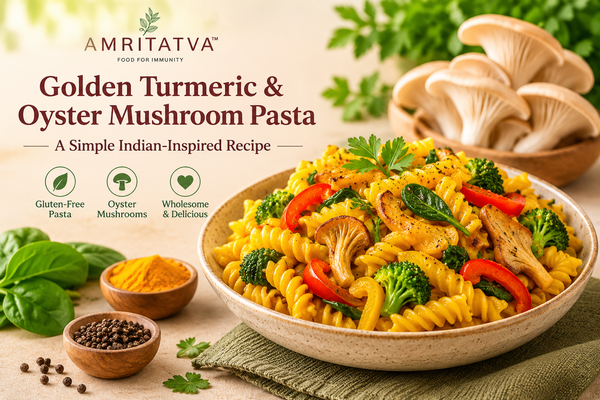
Our product range includes mushroom-based ingredients and traditional sattu, which can be used in different ways across the day.
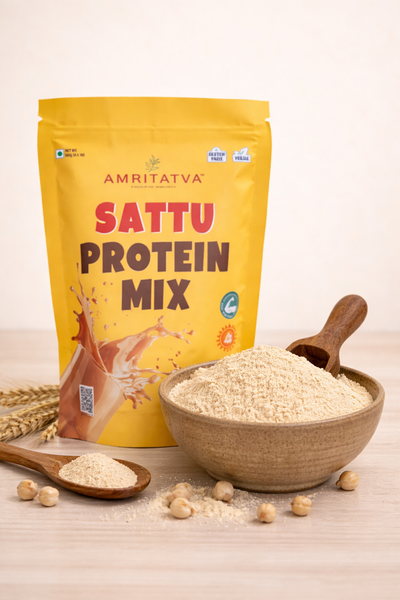
Amritatva Sattu Protein Mix
Sattu is made from roasted chickpeas and is a familiar ingredient in Indian food culture. Amritatva combines traditional sattu with oyster mushroom powder. It can be prepared as a drink or incorporated into selected recipes.
Explore Amritatva Sattu Protein Mix
Amritatva Oyster Mushroom Powder
Oyster mushroom powder can be added to dal, soups, curries and other savoury dishes for a mild umami flavour.
Explore Amritatva Oyster Mushroom Powder
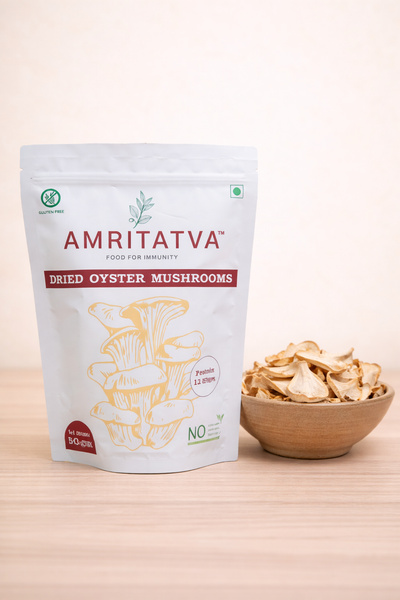
Dried Oyster and Shiitake Mushrooms
These mushrooms can add variety and savoury flavour to soups, rice dishes, curries and stir-fries.
Explore Amritatva Dried Mushrooms
An important distinction: these mushroom products are not being presented as iron supplements or as treatments for iron deficiency. Their role is to offer more ingredient choices for everyday cooking. For iron intake, include established plant-based sources such as pulses, beans, seeds, leafy vegetables and appropriately fortified foods.
When should you get your iron levels checked?
Food choices matter, but persistent fatigue should not automatically be attributed to low iron.
Iron deficiency can have several causes, including inadequate dietary intake, increased requirements, heavy menstrual bleeding, blood loss and problems with absorption.
If you experience persistent tiredness, weakness, dizziness, breathlessness or other concerning symptoms, speak with a healthcare professional. They may recommend blood tests such as a complete blood count and serum ferritin, depending on your situation.
Iron supplements should not be started casually. The correct treatment depends on whether iron deficiency is present and what is causing it. Excess iron can also be harmful.
Frequently Asked Questions
1. What are the best vegetarian sources of iron?
Useful vegetarian sources include lentils, chickpeas, kidney beans, soybeans, tofu, pumpkin seeds, sesame seeds, green leafy vegetables and iron-fortified foods. Including different sources across meals is more practical than relying on one ingredient. Pairing these foods with vitamin C-rich fruits or vegetables can improve non-haem iron absorption.
2. Which fruit helps the body absorb plant-based iron?
Fruits rich in vitamin C, such as amla, guava and oranges, can help improve the absorption of non-haem iron when eaten with plant-based iron sources. Lemon is another convenient option. You can add lemon to dal, include guava after a meal or prepare an amla chutney to complement your food.
3. Does drinking tea after meals reduce iron absorption?
Tea contains polyphenols that can reduce the absorption of non-haem iron when consumed close to a meal. ICMR guidance advises avoiding tea for at least an hour before, during and soon after meals. Moving tea or coffee to a gap between meals is a practical habit, especially for people who rely heavily on plant-based iron sources.
4. Is jaggery a good source of iron?
Jaggery may contain some iron, but its mineral content varies with production and processing. It should not be considered a reliable treatment for iron deficiency or anaemia. Since jaggery is also a form of added sugar, it is better to use it in moderation and obtain iron from a wider variety of foods.
5. Can a vegan diet provide enough iron?
A well-planned vegan diet can provide iron through legumes, beans, tofu, seeds, leafy vegetables and fortified foods. Since plant-based iron is less readily absorbed, meal combinations matter. Including vitamin C-rich foods and keeping tea or coffee away from meals can help. Individual requirements should be considered, particularly during pregnancy or periods of increased iron needs.
6. Can mushrooms help meet daily iron requirements?
Mushrooms contribute variety and other nutrients to meals, but their iron content differs by species and preparation. They should not be treated as a primary solution for iron deficiency. Combine mushrooms with established iron-containing foods such as dals, beans, seeds and leafy vegetables to create varied meals.
7. Should I take an iron supplement if I feel tired?
Not without appropriate assessment. Tiredness can have many causes, including but not limited to iron deficiency. A healthcare professional can assess your symptoms and recommend tests such as haemoglobin and ferritin when appropriate. Taking iron without a confirmed need can be harmful.
A final thought
Plant-based nutrition is not about finding one miracle ingredient. It is about combining different foods thoughtfully and making those choices consistently.
A bowl of dal with lemon, chana with tomato salad, millet roti with seasonal vegetables or a varied sattu-based meal can all be part of a practical eating pattern.
At Amritatva, we believe better food habits should feel familiar, enjoyable and sustainable. Start with everyday ingredients, understand how they work together and build meals that suit your lifestyle.
0 comments