

What should you eat to support exercise and recovery?
Athletic performance is not built by exercise alone. The body needs enough energy, carbohydrates, protein, fluids and micronutrients to fuel training and support recovery. Sports nutrition guidance also emphasises that food choices and timing should match the type and intensity of activity.
You do not necessarily need expensive supplements or complicated meal plans to build a good foundation. Everyday foods such as bananas, oats, curd or suitable plant-protein alternatives, nuts and seeds, and leafy vegetables can contribute useful carbohydrates, protein, fats, vitamins and minerals to an overall varied diet.
The key is not to think of one food as a performance enhancer. Instead, think about how different foods work together across the day.
What does nutrition have to do with athletic performance?
During physical activity, the body uses energy from the food you eat, with carbohydrates playing an important role as a fuel source. Protein is important for maintaining and repairing muscle tissue, while adequate fluids help maintain hydration.
WHO's current healthy-diet guidance recommends a varied diet built around foods such as whole grains, fruits, vegetables, pulses, nuts and seeds, while limiting excessive free sugars, sodium and unhealthy fats. The exact diet should also reflect an individual's activity level and dietary needs.
For someone exercising regularly, the practical question is therefore:
How can everyday meals provide enough fuel and nutrients to support training?
Which five everyday foods can fit into an active lifestyle?
| Food | What it contributes | Practical use |
|---|---|---|
| Banana | Carbohydrates, potassium | Pre-workout snack or with breakfast |
| Oats | Carbohydrates, fibre | Breakfast or pre-training meal |
| Curd / suitable plant protein | Protein and other nutrients | Post-workout meal or snack |
| Nuts & seeds | Protein, unsaturated fats, minerals | Snack or meal topping |
| Leafy vegetables | Vitamins, minerals, fibre | Add to dal, sabzi, poha or meals |
The important point is that these foods are parts of a balanced diet, not standalone solutions for athletic performance.
1. Why can a banana be useful around exercise?
A banana provides carbohydrates along with potassium and other nutrients. Carbohydrates are an important fuel source for physical activity, particularly when exercise is longer or more demanding.
That makes a banana a convenient option when you want a simple snack before exercise.
Try it in an Indian routine:
- Banana 30–90 minutes before a workout, depending on individual tolerance
- Banana with a small handful of nuts for a more substantial snack
- Banana added to oats or a breakfast bowl
- Banana after exercise alongside a protein-containing meal
There is no universal “perfect” timing. Your meal size, workout intensity and personal digestion all matter.
2. Can oats provide useful workout fuel?
Yes. Oats are a whole grain and provide carbohydrates along with dietary fibre and other nutrients. WHO lists oats among whole-grain carbohydrate sources that can form part of a healthy diet.
For active people, oats can be particularly practical when included in a meal several hours before training.
Indian ways to use oats:
- Vegetable oats upma
- Oats porridge with banana
- Overnight oats with fruit and seeds
- Oats chilla with vegetables
- Oats mixed into a breakfast bowl
However, a high-fibre meal immediately before intense exercise may not suit everyone. Meal timing and portion size should be adjusted according to individual tolerance.
3. What role can curd or plant-based protein play?
Protein is important for maintaining and repairing muscle tissue, especially when combined with regular resistance or endurance training. Sports nutrition guidance recommends adequate protein as part of overall energy and macronutrient intake.
Curd is one option for people who consume dairy. For a vegan diet, alternatives can include foods such as soy, tofu, pulses, chickpeas, lentils or suitable plant-protein combinations.
Simple Indian combinations:
- Curd + fruit + seeds
- Dal + rice
- Rajma + rice
- Chana + roti or millet
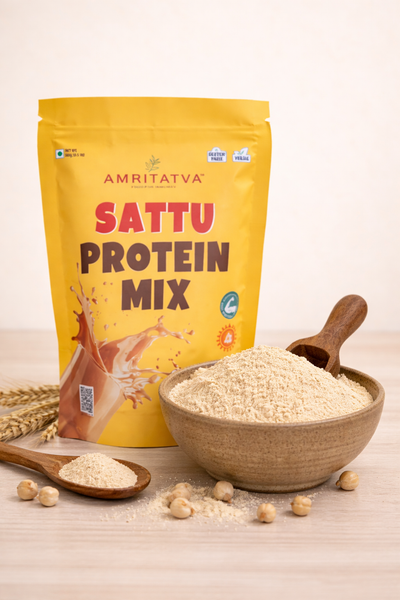
- Sattu drink or sattu-based meal
- Tofu or soy with vegetables
The goal is not simply to “eat protein after a workout.” Total daily protein and energy intake matter too.
4. Why are nuts and seeds useful in an active diet?
Nuts and seeds provide unsaturated fats, protein and several minerals. WHO recommends including nuts and seeds as part of a varied healthy diet.
They are nutrient-dense, but they are also relatively energy-dense, so portion size still matters.
Easy ways to include them:
- Almonds or walnuts with breakfast
- Pumpkin or sunflower seeds over poha
- Chia or flax seeds in oats
- Peanuts with fruit
- Sesame seeds in chutney
- Mixed seeds over a salad or grain bowl
They are generally better thought of as part of the overall diet, rather than as foods that directly “increase stamina.”
5. What do leafy vegetables contribute?
Spinach, methi, amaranth leaves and other leafy vegetables contribute vitamins, minerals and fibre. WHO recommends a varied diet containing vegetables, fruits, whole grains, legumes, nuts and seeds to help meet nutrient requirements.
Iron deserves particular attention in active populations because iron is involved in normal oxygen transport. But eating spinach does not automatically increase athletic performance, and iron needs vary between individuals.
Indian ways to add leafy vegetables:
- Palak dal
- Methi paratha
- Amaranth sabzi
- Spinach in poha or upma
- Green vegetable khichdi
- Leafy vegetable soup
If an athlete has symptoms or concerns related to nutrient deficiencies, nutrition should be assessed individually rather than relying on a particular food.
How important is hydration during exercise?
Hydration is an essential part of sports nutrition. Athletes should begin exercise adequately hydrated and replace fluids lost through activity.
Water is sufficient for many everyday workouts.
For longer or intense sessions, particularly in hot conditions, carbohydrate and electrolyte needs can become more relevant. Sports drinks can have a specific role in these situations; they are not automatically necessary for every workout.
Coconut water can be one food-based beverage option, but it should not automatically be presented as a complete replacement for a sports drink in every athletic situation.
Should you eat before or after a workout?
Both can matter, depending on the training session.
For longer or demanding exercise, carbohydrate availability can help support performance. After exercise, consuming carbohydrate and protein can support recovery, particularly when another training session is coming soon.
A practical Indian approach could look like this:
Before exercise:
Banana + oats / poha / a light meal depending on timing.
After exercise:
Dal + rice, sattu-based meal, curd with food, tofu with vegetables, or another balanced meal containing carbohydrate and protein.
The meal does not need to be complicated.
How can Indian foods fit into sports nutrition?
You do not have to build an “athlete diet” entirely around imported foods.
Indian kitchens already have many useful building blocks:
- Carbohydrates: rice, oats, poha, potatoes, millet, fruits
- Protein: dal, chana, rajma, soy, sattu, dairy or plant alternatives
- Healthy fats: nuts, seeds and appropriate plant oils
- Micronutrients: vegetables, leafy greens and fruits
- Fluids: water and, in appropriate situations, electrolyte-containing beverages
WHO also emphasises that healthy diets should reflect cultural context, locally available foods and individual needs.
This is where consistency becomes more useful than chasing a single “fitness food.”
Where can Amritatva fit into an active lifestyle?
At Amritatva, we look at everyday nutrition through an Indian, plant-based and gluten-free lens.
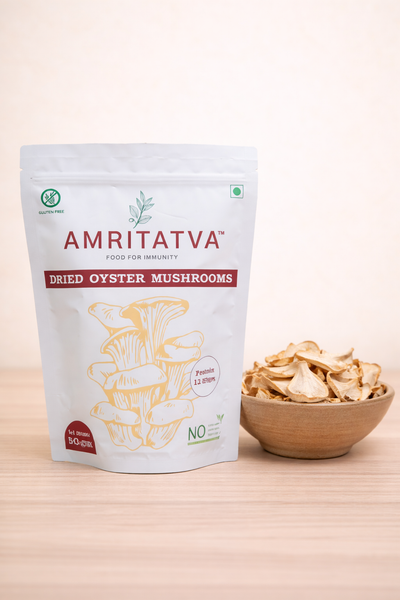
For someone looking for convenient options, foods such as sattu, millet-based products and mushroom-based ingredients can be incorporated into meals according to individual dietary needs.
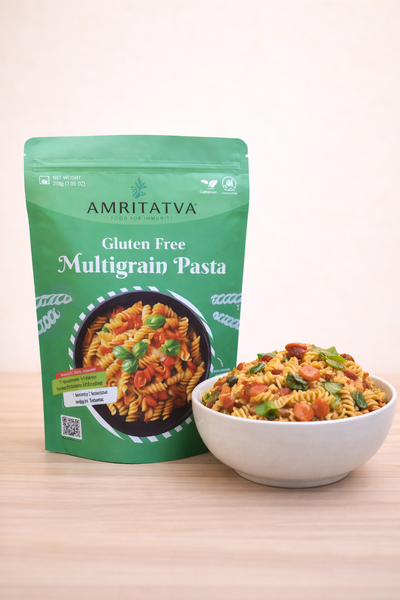
For example, Amritatva Sattu can be used in a simple sattu drink or meal, while gluten-free millet pasta can become a convenient meal base with vegetables and a suitable protein source.
The important distinction is that these products should be viewed as food options within a varied diet, not as products that automatically improve athletic performance.
What does the evidence actually say about food and exercise?
The evidence supports a bigger picture rather than one “superfood.”
Sports nutrition research consistently highlights adequate energy, carbohydrate, protein and fluid intake as important foundations for training and recovery.
A systematic review also found that carbohydrate and protein strategies can influence performance and recovery in certain exercise situations, although results depend on factors such as timing, total energy intake and recovery period.
So the better question is not:
“Which food will improve my performance?”
It is:
“Does my overall diet provide enough fuel and nutrients for the training I am doing?”
That shift can make sports nutrition much more practical.
FAQ
What should I eat before a workout?
A pre-workout meal or snack should depend on how much time you have before exercise and how demanding the session will be. A banana, oats, poha or another carbohydrate-containing food can work for many people. Larger meals may need more time to digest, while smaller snacks can be useful closer to exercise.
What should I eat after exercise?
A post-workout meal can combine carbohydrates and protein, particularly after demanding training or when another session is coming soon. Indian options include dal with rice, sattu with a suitable meal, tofu with vegetables, or curd with a balanced meal for people who consume dairy. Total daily nutrition matters more than one post-workout food.
Are bananas good for athletes?
Bananas can be a convenient source of carbohydrate and potassium, making them practical around exercise. However, they are not a special performance-enhancing food. Whether a banana is useful before or after exercise depends on the individual's workout, meal timing, total diet and personal tolerance.
Is coconut water better than a sports drink?
Not automatically. Coconut water can provide fluids and some electrolytes, but sports drinks are specifically formulated to provide combinations of carbohydrate and electrolytes that may be useful during prolonged or intense exercise. For many ordinary workouts, plain water and regular meals may be sufficient.
Do athletes need protein supplements?
Not necessarily. Adequate protein can often be obtained through a varied diet containing foods such as pulses, soy, dairy or suitable plant alternatives, nuts, seeds and other protein sources. Supplements may be useful in specific circumstances, but individual requirements depend on training, total food intake and dietary preferences.
Is “clean eating” necessary for athletic performance?
There is no single scientific definition of “clean eating,” and athletic performance does not depend on avoiding every processed food. A more useful approach is to focus on adequate energy, carbohydrates, protein, fluids and a varied diet, while limiting excessive added sugars, sodium and unhealthy fats. WHO emphasises adequacy, balance, moderation and diversity.
Strong training needs strong foundations—and those foundations are not built from one “superfood.”
They come from enough energy, varied foods, adequate carbohydrates and protein, hydration, recovery and consistency.
For Indian households, that foundation can be built with familiar foods already present in the kitchen.
Food does not need to be complicated to support an active lifestyle.
0 comments