

How to Stay Hydrated in Indian Winters: Simple Habits to Drink More Water
When winter arrives, many of us naturally reduce our water intake. We don't sweat as much, we don't feel as thirsty, and a glass of cold water may seem less appealing. Instead, we reach for tea or coffee and sometimes go hours without drinking water. But our bodies continue to lose fluids during winter through breathing, urination and everyday activities. Hydration is not just a summer habit—it matters throughout the year.
The good news? Staying hydrated in winter doesn't mean forcing yourself to drink cold water. Warm water, soups, suitable herbal drinks and water-rich seasonal foods can help make hydration more comfortable. With a few simple habits, you can keep your hydration routine going even on chilly mornings.
Why Do We Drink Less Water in Winter?
During summer, heat and sweating remind us to drink water. Winter is different. The sensation of thirst may become less noticeable in colder weather, and we may not recognise our need for fluids as easily.
Some common reasons include:
-
We feel less thirsty than in summer.
-
Cold water feels less inviting.
-
We drink more tea or coffee but forget plain water.
-
We spend long hours indoors.
-
Our daily routines change during colder months.
-
We may mistake dry lips or a dry throat only for the effects of cold weather.
Even in winter, the body continues to lose fluids. Cold, dry air and indoor heating can also contribute to moisture loss. Therefore, drinking regularly rather than relying only on thirst can be a helpful habit.
Why Is Hydration Important During Winter?
Water supports several essential functions in the body, including normal temperature regulation, circulation, digestion and waste removal.
When fluid intake is insufficient, some people may experience symptoms such as:
-
Dry mouth
-
Headache
-
Fatigue
-
Dizziness
-
Darker urine
-
Reduced urination
-
Constipation
These symptoms can have several causes, so they should not automatically be attributed to dehydration. But they can be a reminder to review your fluid intake and seek medical advice when necessary.
Hydration needs vary from person to person depending on activity, age, health conditions, food intake and environmental factors.
How Can You Stay Hydrated Without Drinking Cold Water?
You don't need to force yourself to drink chilled water during winter. Try options that feel more comfortable.
1. Start Your Morning with Water
Keep a glass or bottle of water where you can easily see it. Drinking water after waking up can help establish a simple routine.
You can choose room-temperature or comfortably warm water according to your preference. There is no need to make it excessively hot.
2. Choose Warm Water Throughout the Day
If cold water discourages you from drinking, try warm water.
Keep a thermos or flask at your desk, beside your study area or wherever you spend most of your day. Having water within reach can help you remember to drink.
3. Enjoy Herbal Drinks
Warm herbal drinks can make winter hydration more enjoyable.
You may choose:
-
Ginger-infused water
-
Mint infusion
-
Lemon water
-
Cinnamon infusion
-
Unsweetened herbal teas
These are beverage options for variety and enjoyment—not detox treatments. Be mindful of ingredients and avoid excessive sugar.
4. Include Soups in Your Meals
Winter is a wonderful time for warm soups.
Vegetable soup, tomato soup, homemade mixed-vegetable soup or a simple dal-based soup can contribute fluids to your daily intake.
Prepare them using familiar ingredients, seasonal vegetables and appropriate seasoning. Be mindful of excessive salt in packaged soup mixes.
5. Eat Seasonal Fruits and Vegetables
Hydration also comes from food.
Winter vegetables such as carrots, radish, spinach, cauliflower and other seasonal produce can be included in everyday meals. Fruits such as oranges, guava and other locally available seasonal fruits provide water as well as nutrients.
You don't need to rely on expensive imported foods. Indian seasonal produce is a practical way to add variety to winter meals.
What Is a Simple Winter Hydration Routine?
Instead of setting complicated targets, connect water drinking with activities you already do.
| Daily routine | Simple hydration habit |
|---|---|
| After waking up | Drink a glass of water |
| With breakfast | Keep water on the table |
| Mid-morning | Refill your bottle |
| During work or study | Take regular water breaks |
| With lunch | Drink water and include vegetables |
| Afternoon | Enjoy warm water or a suitable herbal drink |
| Evening | Have soup or water with your snack |
| Before bedtime | Drink according to your comfort and individual needs |
This is a flexible routine, not a fixed prescription. Your individual fluid requirements may differ, and people with medical fluid restrictions should follow their healthcare professional's advice.
Can Tea and Coffee Replace Water in Winter?
Tea and coffee are common winter favourites in Indian homes. They contribute fluid, but they should not become the only beverages you rely on throughout the day.
If you find yourself drinking several cups of tea or coffee while barely drinking water, try keeping a glass of water alongside your regular beverage.
You can also alternate your drinks:
-
Morning: Water
-
Breakfast: Tea or coffee, if you prefer
-
Mid-morning: Water
-
Afternoon: Water or a suitable herbal drink
-
Evening: Soup or water
The aim is balance—not eliminating every favourite beverage.
How Can Indian Families Make Winter Hydration Easier?
Small changes in your kitchen and daily routine can help everyone remember to drink.
-
Keep a water jug visible in the kitchen or dining area.
-
Carry a reusable water bottle when going out.
-
Offer water regularly to children and older family members.
-
Prepare soup in advance for busy evenings.
-
Keep seasonal fruits washed and ready to eat.
-
Use reminders if you regularly forget to drink.
-
Choose warm or room-temperature water if you dislike cold water.
For children, older adults and people with medical conditions, hydration needs can differ. Pay extra attention to their routines and follow medical guidance when required.
What Should You Avoid During Winter?
Don't Wait Until You Feel Very Thirsty
Thirst may be less noticeable in colder weather. Make drinking water a routine rather than relying only on thirst.
Don't Replace Every Glass of Water with Tea or Coffee
Enjoy your favourite winter beverages, but also include regular water throughout the day.
Don't Force Excessive Water Intake
More water is not always better. Fluid needs vary, and people with kidney, heart or other conditions may require specific fluid limits. Follow your healthcare professional's advice.
Don't Ignore Persistent Symptoms
Dizziness, unusual fatigue, reduced urination or other concerning symptoms may require medical assessment. Severe confusion, fainting or inability to keep fluids down warrants urgent medical care.
How Does AMRITATVA Encourage Mindful Nutrition?
At AMRITATVA, we believe wellness begins with practical, everyday choices—not complicated routines or seasonal trends.
Winter is a reminder to make small adjustments to the way we eat, drink and care for ourselves. Hydration can be one of those simple habits: warm water in the morning, seasonal vegetables with meals, a bowl of soup in the evening or a suitable warm drink when you need a break.
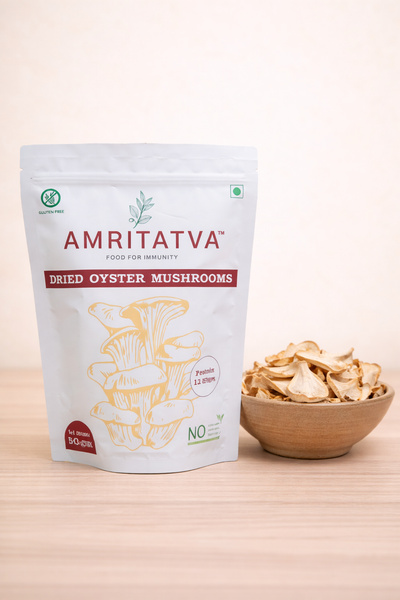
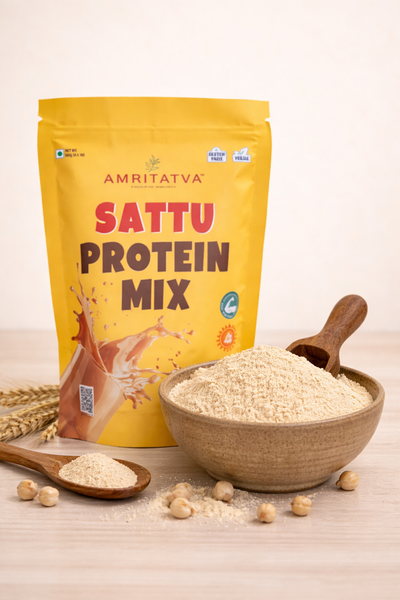
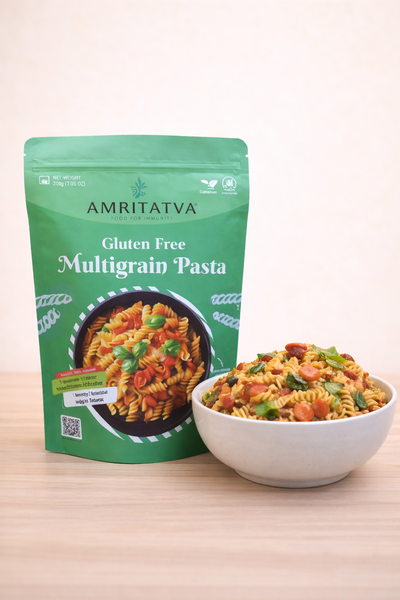
Our food range includes Sattu Protein Mix, Oyster Mushroom Powder, Gluten-Free Pasta, Gluten-Free Noodles, dried mushrooms and seasonings—products designed around everyday food choices and practical cooking.
We believe mindful nutrition is about building habits that are realistic enough to continue, season after season.
Explore AMRITATVA at www.amritatva.com.
Frequently Asked Questions
1. Why do people drink less water during winter?
People often feel less thirsty in colder weather and may not notice fluid loss as much as they do in summer. Cold water may also feel less appealing, and many people replace water with tea or coffee. Creating a regular drinking routine and choosing warm or room-temperature water can help.
2. Is warm water better than cold water in winter?
Warm water may feel more comfortable and encourage some people to drink more during colder weather. However, warm water is not inherently superior for hydration to water at other comfortable temperatures. The most useful choice is water you enjoy and can drink regularly.
3. Do soups count toward hydration?
Yes. Soups contain water and contribute to fluid intake. Homemade vegetable soups, dal soups and other suitable preparations can be practical winter choices. Watch the salt content, particularly in packaged soups or heavily seasoned preparations.
4. Can herbal tea help with winter hydration?
Herbal drinks can contribute fluid and may be a comforting alternative during winter. Choose preparations suitable for your health and dietary needs. They should be enjoyed as beverages rather than treated as detox drinks or substitutes for medical treatment.
5. How much water should I drink in winter?
There is no single amount suitable for everyone. Your fluid requirements depend on your body, age, activity, food intake, health and environmental conditions. Drink regularly throughout the day and follow any individual fluid advice given by your healthcare professional.
6. What are signs that I may not be drinking enough water?
Possible signs include thirst, dry mouth, dark urine, reduced urination, headache, fatigue and dizziness. These can also occur for other reasons. If symptoms persist, become severe or are accompanied by fainting or confusion, seek medical attention.
Make Hydration a Winter Habit
Winter may reduce our reminders to drink water, but it doesn't reduce the importance of hydration.
Keep water visible. Choose warm drinks if they help. Enjoy soups and seasonal foods. Build small reminders into your daily routine.
You don't need a complicated wellness plan to start.
This winter, make one simple promise to yourself: don't forget your water.



0 comments