

10 Things to Remove From Your Pantry Right Now
Your pantry influences what you eat every day. When sugary snacks, salty packaged foods and heavily processed convenience products are the easiest options to reach for, they may become regular parts of your routine. A pantry cleanout is not about throwing away every packaged food or following a strict diet. It is about checking what you buy frequently, understanding the ingredients and making room for more balanced everyday choices.
The Indian Council of Medical Research–National Institute of Nutrition (ICMR-NIN) Dietary Guidelines for Indians 2024 recommend limiting foods high in fat, sugar and salt (HFSS) and minimising ultra-processed foods. Instead of aiming for a perfect pantry, start by identifying products you consume frequently, checking their labels and replacing them gradually with alternatives that fit your preferences, budget and nutritional needs.
1. Sugary Breakfast Cereals
Some breakfast cereals contain considerable amounts of added sugar, particularly colourful, sweetened or chocolate-flavoured varieties. They may be convenient, but the ingredient list and nutrition label can tell you whether they are suitable for your everyday breakfast.
What to choose instead: Plain oats, unsweetened cereal options, poha, dalia, millet preparations or homemade breakfast mixes. Add fruit, nuts or seeds according to your preferences.
You do not have to remove every cereal from your pantry. Compare options and choose those with less added sugar and a more suitable overall nutritional profile.
2. Instant Noodles You Eat Too Frequently
Instant noodles can be convenient for busy days, but some varieties contain substantial sodium, and their overall nutritional composition may not provide the variety of ingredients you need in a balanced meal.
What to choose instead: Keep plain noodles, suitable whole-grain options or AMRITATVA Gluten-Free Noodles if they fit your dietary needs. Add vegetables, a source of protein such as dal, beans, tofu or paneer, and use seasoning thoughtfully.
Convenience food can be made more balanced by what you add to it. You don't need to give up a quick meal; try making it more complete.
3. Sugary Drink Powders and Sweetened Beverage Mixes
Flavoured drink powders, sweetened instant beverages and some ready-to-drink products may contain added sugar, flavours or colours. Regular consumption can contribute to your overall free-sugar intake.
What to choose instead: Plain water, lemon water without excess sugar, unsweetened drinks, coconut water when suitable, or homemade beverages with ingredients you understand.
Check the label of drink mixes before buying them. Words such as fruit-flavoured or natural flavour do not automatically mean a product is low in sugar.
4. Refined Biscuits and Cookies You Snack on Daily
Biscuits and cookies are common companions to chai. Some commercially produced varieties contain refined flour, added sugar, fats and salt. Their portion sizes can also make it easy to eat more than intended.
What to choose instead: Roasted chana, nuts, fruit, homemade snacks, makhana or a simple savoury snack prepared with ingredients you prefer.
If you enjoy biscuits, you don't necessarily need to ban them. Consider frequency, portion size and the overall quality of your everyday diet.
5. Packaged Chips and Salty Snacks
Chips, namkeen, extruded snacks and other packaged savouries can be high in salt and sometimes fat. Eating them frequently may make it harder to keep your overall salt intake within recommended limits.
What to choose instead: Homemade roasted chana, makhana, peanuts, seed mixes, roasted corn or a simple homemade snack. Choose ingredients and seasoning based on your nutritional needs.
Keep snacks in smaller serving bowls instead of eating straight from a large packet. This simple habit can help you become more aware of portions.
6. Sweetened Spreads and Dessert Toppings
Chocolate spreads, sweetened syrups, dessert sauces and some fruit spreads can contain considerable added sugar. They may be easy to use on bread, pancakes or snacks, but frequent use can add sugar to meals without much awareness.
What to choose instead: Unsweetened nut or seed butter, fresh fruit, homemade chutneys or spreads prepared with ingredients you prefer.
Read the ingredient list and nutrition panel. Even products marketed with words like natural, homemade-style or fruit-based can contain added sugars.
7. Flavoured Instant Coffee and Sweetened Tea Mixes
Some instant coffee sachets, flavoured coffee mixes and ready-made tea mixes contain sugar, creamers or other added ingredients. If you use these several times a day, it is worth checking what you are consuming.
What to choose instead: Plain tea, plain coffee, homemade masala chai or coffee prepared with the amount of sugar and milk you choose.
You can also gradually reduce the sugar in your tea or coffee if you want to change your taste preference. Small adjustments are often easier to sustain than sudden restrictions.
8. High-Sodium Sauces, Seasoning Mixes and Stock Cubes
Ready-made sauces, soup powders, seasoning mixes, stock cubes and instant gravies can add convenience and flavour. However, some contain significant amounts of sodium, sugar or other ingredients.
What to choose instead: Homemade spice mixes, fresh herbs, lemon, ginger, garlic, coriander, cumin and other spices used according to your taste.
You don't need to eliminate every sauce or seasoning. Compare nutrition labels, look for lower-sodium options and use smaller quantities when appropriate.
9. Products With Trans Fat or Excessive Saturated Fat
Certain packaged snacks, baked goods, fried foods and spreads may contain fats that deserve closer attention. WHO recommends avoiding industrially produced trans fats and replacing saturated fats with healthier unsaturated fat sources where possible.
What to choose instead: Use appropriate amounts of unsaturated-fat sources such as nuts, seeds and suitable vegetable oils. Choose snacks and spreads after comparing their nutrition labels and ingredients.
Don't assume every product containing fat is unhealthy. Fat is an essential nutrient. The type, amount and overall dietary pattern matter.
10. Foods You Buy but Never Actually Use
This may be the most overlooked pantry problem. A cupboard full of forgotten ingredients, expired products and foods purchased because they were trending can create unnecessary waste and clutter.
What to choose instead: Buy ingredients you know how to use. Keep a short inventory, organise products by category and plan a few meals around ingredients already available.
Before buying another health food, ask yourself: Will I actually use it? Does it fit my cooking habits? Do I know how to prepare it?
A healthy pantry should support your real lifestyle, not become a collection of products you feel guilty about not using.
What Should You Keep in a Healthier Indian Pantry?
Instead of focusing only on what to remove, think about what you can keep available for quick meals.
| Pantry category | Useful options |
|---|---|
| Grains and staples | Rice, oats, atta, dalia, millets or suitable gluten-free grains |
| Pulses and legumes | Moong dal, masoor dal, chana, rajma, roasted chana |
| Nuts and seeds | Peanuts, almonds, sesame, flaxseed and other suitable seeds |
| Quick snacks | Makhana, roasted chana, homemade snack mixes |
| Cooking ingredients | Spices, herbs, lemon, suitable oils, chutney ingredients |
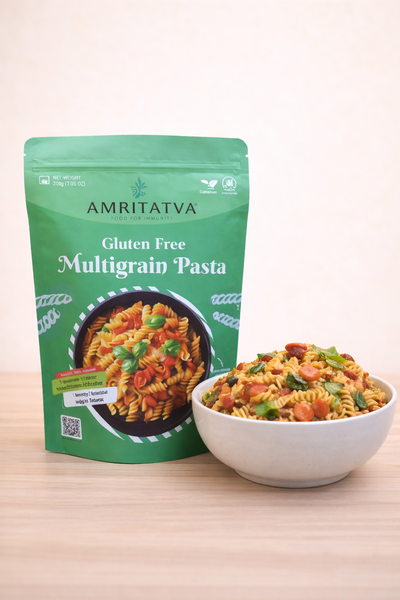
| Convenient meals | Plain noodles, pasta, suitable instant options with mindful label checking |
| Vegetables and fruits | Seasonal produce, fresh or suitable frozen options |
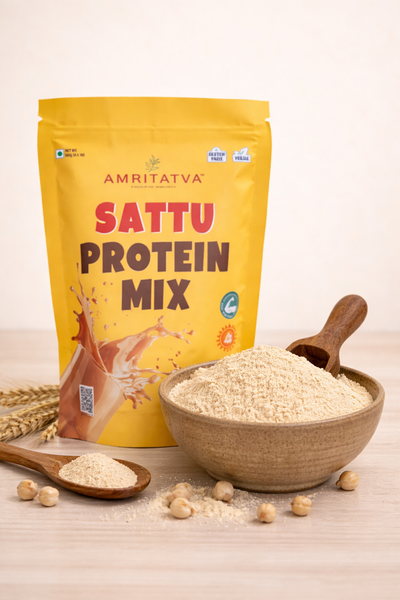
| Practical additions | Sattu, simple flour mixes and ingredients for quick homemade meals |
A healthy pantry does not need expensive superfoods. Familiar ingredients can support varied meals when you use them thoughtfully.
How Can You Read Food Labels Before Buying?
Food labels are useful tools when comparing packaged products. Try these simple steps:
-
Check serving size: Understand how much the nutrition information refers to.
-
Look at added sugar: Compare similar products rather than relying on front-of-pack marketing.
-
Check sodium: This is especially useful for noodles, sauces, snacks and seasoning mixes.
-
Review the ingredient list: Ingredients are generally listed in descending order by weight.
-
Look for fibre: Compare products where fibre is relevant, such as cereals and grain-based foods.
-
Check allergen information: Particularly important if you have food allergies, gluten intolerance or other dietary requirements.
-
Don't judge by marketing words alone: “Natural,” “multigrain,” “healthy” or “baked” do not automatically establish nutritional quality.
According to WHO guidance, adults should limit salt intake to less than 5 grams per day, free sugars to less than 10% of total energy intake, and saturated fats to less than 10% of total energy intake. These are general recommendations; individual needs may differ.
How Can You Clean Your Pantry Without Wasting Food?
A pantry cleanout does not mean throwing everything away immediately.
-
Check expiry dates and discard products that are expired or unsafe.
-
Identify foods you consume frequently that are high in added sugar, salt or unhealthy fats.
-
Finish suitable unopened or unexpired products in moderation rather than wasting them unnecessarily.
-
Replace frequently consumed products gradually.
-
Store grains, pulses and nuts properly in clean, dry, airtight containers.
-
Keep healthier options visible and easy to reach.
-
Plan your next grocery list based on meals you actually prepare.
The aim is to make better choices easier, not to create guilt about the food already in your kitchen.
How Does AMRITATVA Fit Into a Thoughtful Pantry?
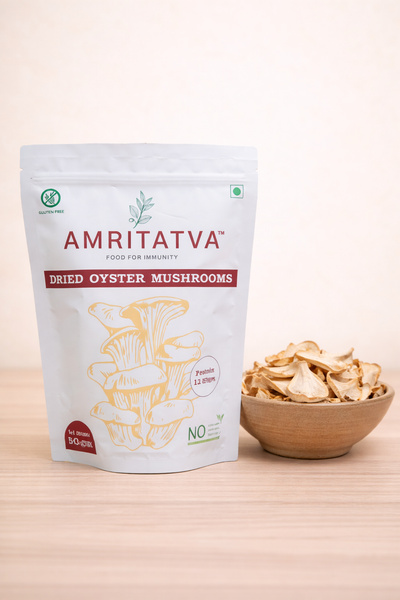
At AMRITATVA, we focus on vegan and gluten-free food products designed for practical use in everyday cooking. Our range includes Oyster Mushroom Powder, Gluten-Free Pasta, Gluten-Free Noodles, Sattu Protein Mix, dried mushrooms and seasonings.
Our products can help add variety and convenience to different meals, depending on the product and how you use it. For example, our Gluten-Free Pasta and Noodles can be used for quick meals, while Sattu Protein Mix can be incorporated into suitable breakfast and snack preparations.
We believe food choices should be guided by ingredient awareness, individual requirements and honest information—not exaggerated claims or fear about everyday food.
Our products are made in India and independently tested by third-party laboratories. AMRITATVA is a DPIIT-recognised startup and FSSAI-approved.
Explore our products at www.amritatva.com.
Frequently Asked Questions
1. Do I need to remove all packaged food from my pantry?
No. Packaged food is not automatically unhealthy. Some packaged foods contain simple ingredients and can be convenient parts of a balanced diet. The key is to check their nutritional composition, ingredient list, serving size and how frequently you consume them. Focus on products high in added sugar, salt or unhealthy fats rather than treating all packaging as a problem.
2. What is the first thing I should remove from my pantry?
Start with the item you consume most frequently that contains excessive added sugar, sodium or unhealthy fats. For some households, it may be sweetened drinks; for others, daily salty snacks or sugary breakfast cereals. Review your own pantry and eating habits before deciding what needs changing.
3. Are instant noodles unhealthy?
Not all noodles have the same nutritional composition. Some instant noodles may be high in sodium or have limited variety of ingredients. You can make a noodle meal more balanced by adding vegetables and a protein source, and by using less seasoning when appropriate. Check the product's nutrition label before making a decision.
4. What are healthier alternatives to packaged snacks?
Practical alternatives include roasted chana, nuts, makhana, fruit, homemade snacks, seed mixes and simple savoury preparations. Choose according to your dietary needs, preferences, budget and portion size. You do not need to replace every snack with a complicated recipe.
5. How often should I clean my pantry?
A quick check once a month is a practical habit. Review expiry dates, identify ingredients that are running low and check whether you have products you rarely use. A larger pantry review every few months can help reduce food waste and make grocery shopping more organised.
6. Is a clean pantry enough to improve my diet?
A pantry can support better food choices, but overall eating habits also matter. Your meals, portions, food variety, activity, sleep and individual health needs all contribute to your lifestyle. Use a pantry cleanout as one practical step rather than expecting it to transform your health on its own.
A Healthier Pantry Starts With Small Decisions
You don't need to throw away everything in your kitchen or follow an extreme food rule. Start by reading labels, reducing products you consume frequently that are high in added sugar, salt or unhealthy fats, and keeping simple ingredients ready for everyday meals.
A healthier pantry is not about perfection. It is about creating an environment where practical, balanced choices become easier to make—one grocery purchase, one ingredient and one meal at a time.
0 comments