

Why Meal Planning Removes 80% of Bad Food Decisions
Most unhealthy food choices don't happen because we don't know what healthy eating looks like. They often happen when we're tired, busy, hungry or simply don't have anything prepared. After a long day, deciding what to cook can feel like one more task—and convenience often wins.
Meal planning helps remove that daily uncertainty. When you already have a few meals decided, groceries organised and basic ingredients ready, making food becomes easier. You don't need a strict timetable, complicated recipes or an entire Sunday in the kitchen. A little preparation can help you save time, reduce food waste and make more balanced choices throughout the week.
The idea behind meal planning isn't perfection. It's creating a routine that makes taking care of yourself easier, even on your busiest days.
Why Do We Make Unhealthy Food Decisions When We're Busy?
Think about a typical weekday. You have work, family responsibilities, messages to reply to, errands and a long list of things to finish. By evening, cooking may feel like another decision you don't have the energy to make.
This is when you may order food, reach for packaged snacks or skip a proper meal and eat whatever is available.
The problem is often not a lack of nutrition knowledge. It's a lack of preparation and convenience.
Meal planning helps by making a few decisions in advance. Instead of deciding what to eat when you're already hungry, you have ingredients and meal ideas ready.
How Does Meal Planning Make Healthy Eating Easier?
Meal planning can simplify everyday eating in several ways:
1. Reduces daily decision-making
You don't have to think from scratch about breakfast, lunch and dinner every day. A few prepared ideas reduce the number of decisions you make around food.
2. Makes ingredients easier to use
When you plan meals around ingredients you already have, you can avoid buying unnecessary items and use vegetables, grains and pulses before they go unused.
3. Helps you prepare balanced meals
Planning gives you an opportunity to include vegetables, grains, pulses, nuts, seeds and other food groups across your meals instead of relying on whatever is immediately available.
4. Makes convenience work in your favour
Keeping washed vegetables, cooked pulses, chutney or a few ready-to-use ingredients can make home cooking faster.
5. Helps manage grocery spending
A shopping list based on planned meals may help reduce impulse purchases and unnecessary food orders. Planning around what is already in your kitchen can also help reduce food waste.
Meal planning isn't guaranteed to prevent every impulse or food choice, but it can make a supportive routine easier to follow.
What Does Research Say About Meal Planning?
Meal planning is a practical habit, and research has explored its association with dietary quality.
A 2017 study published in the International Journal of Behavioral Nutrition and Physical Activity examined meal planning among 40,554 adults participating in the French NutriNet-Santé study. Meal planning was associated with better diet quality and greater food variety. As this was an observational study, it shows an association—not proof that meal planning alone caused these differences.
The ICMR–National Institute of Nutrition's Dietary Guidelines for Indians 2024 also emphasise eating a variety of foods to achieve a balanced diet. The guidelines recommend including vegetables, whole grains, pulses or beans, nuts, seeds and other appropriate food groups.
A 2024 research paper published in Resources, Conservation & Recycling examined meal planning alongside package sizes, shopping lists, food waste, costs and nutritional value. Its modelling highlighted how careful meal planning can help households organise food purchases and reduce waste.
The takeaway is practical: planning meals can help you organise your food choices, shopping and preparation. It doesn't need to become another complicated wellness task.
How Can You Meal Plan Without Spending Hours?
You don't need to plan every meal for seven days in detail. Start with a simple system that works for your household.
Step 1: Choose two breakfast options
Select two breakfasts that are easy to repeat or alternate.
Examples:
-
Vegetable poha
-
Sattu drink or savoury sattu preparation
-
Besan chilla
-
Oats with nuts and fruit
-
Idli with chutney
-
Paratha with a suitable accompaniment
Keep breakfast practical. Choose options that fit your taste, schedule and nutritional needs.
Step 2: Choose two lunch options
Plan meals that can be prepared in larger quantities or use overlapping ingredients.
For example:
-
Dal, rice and seasonal sabzi
-
Roti, chana and vegetables
-
Rajma with rice and salad
-
Vegetable khichdi with a suitable accompaniment
You can alternate these meals or use leftovers safely and appropriately.
Step 3: Choose two dinner options
Dinner doesn't need to be elaborate.
Try:
-
Vegetable pulao with dal
-
Homemade noodles with vegetables and a suitable protein source
-
Roti with sabzi and dal
-
Pasta with vegetables and beans
-
Khichdi with vegetables
Choose recipes that your family enjoys rather than forcing unfamiliar dishes into your routine.
Step 4: Plan two or three snacks
Keep snacks simple and easy to access.
Examples:
-
Roasted chana
-
Fruit
-
Nuts and seeds
-
Makhana
-
Homemade chilla
-
Sattu-based snack or drink
Having snacks available can be helpful during long workdays or between meals, depending on your needs.
Step 5: Make a grocery list
Once you decide your meals, list the ingredients required.
Before shopping, check your pantry and refrigerator. You may already have rice, dal, spices, flour, nuts or other ingredients.
This prevents buying duplicate products and helps you shop with a clear purpose.
What Can You Prepare in Advance in an Indian Kitchen?
Meal planning doesn't mean cooking everything in advance. Even preparing a few basics can make a significant difference to your routine.
| Preparation | How it helps during the week |
|---|---|
| Wash and dry suitable vegetables | Reduces preparation time |
| Chop selected vegetables | Makes cooking quicker when properly stored |
| Soak pulses when needed | Helps organise cooking in advance |
| Prepare chutney | Creates a ready accompaniment for meals |
| Cook a batch of dal or beans | Can support more than one meal when stored safely |
| Prepare a spice mix | Makes seasoning convenient |
| Keep flour and grains organised | Makes meal preparation easier |
| Plan a few quick meals | Helps avoid last-minute uncertainty |
Prepare only what you can store safely. Follow suitable refrigeration, cooking and reheating practices, and don't keep cooked food at room temperature for extended periods.
How Can You Plan a Week of Indian Meals?
Here's a flexible sample plan. It is an idea, not a personalised nutrition plan. Adjust ingredients and portions to suit your family, preferences and dietary needs.
| Day | Breakfast | Lunch | Dinner |
|---|---|---|---|
| Monday | Poha with vegetables | Dal, rice, sabzi | Roti with vegetable curry |
| Tuesday | Sattu preparation | Chana, rice, salad | Vegetable khichdi |
| Wednesday | Besan chilla | Dal, roti, sabzi | Vegetable noodles with protein addition |
| Thursday | Oats with nuts and fruit | Rajma, rice | Roti and mixed vegetables |
| Friday | Idli with chutney | Dal, rice, sabzi | Vegetable pasta |
| Saturday | Sattu paratha | Chana or dal with roti | Homemade pulao |
| Sunday | Family breakfast of choice | Seasonal home-cooked meal | Simple leftovers or an easy fresh dinner |
If you have gluten intolerance or coeliac disease, replace wheat-based options with verified gluten-free alternatives and take care to prevent cross-contact. For any household member with specific dietary requirements, plan suitable meals separately when necessary.
How Does Meal Planning Reduce Food Waste?
Meal planning helps you think about ingredients before you buy them.
For example, if you purchase coriander for chutney, you can plan another dish that uses the remaining coriander. If you cook chana for lunch, you may be able to use an appropriately stored portion in another meal. If you buy vegetables for two recipes, you can plan how to use them before they spoil.
Try these simple habits:
-
Check the refrigerator before preparing your shopping list.
-
Plan meals around ingredients you already have.
-
Buy quantities you can realistically use.
-
Keep track of foods that spoil frequently.
-
Use suitable leftovers safely.
-
Avoid buying health foods simply because they are trending.
Planning can help you save food as well as time and money.
How Can AMRITATVA Help With Practical Meal Planning?
At AMRITATVA, we believe healthier food habits should be practical enough to fit into real life. Busy households need ingredients and food options that work with their daily routines—not complicated instructions that make cooking harder.
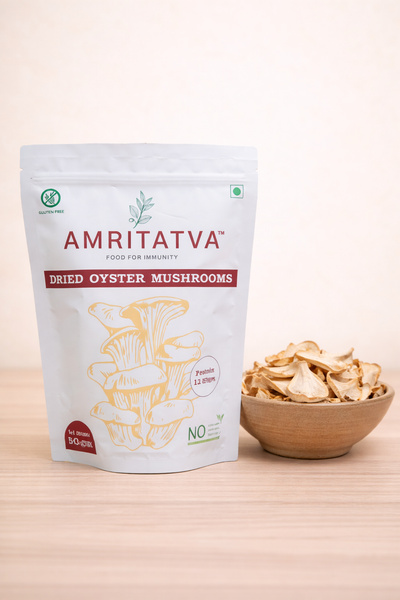
Our product range includes Sattu Protein Mix, Gluten-Free Pasta, Gluten-Free Noodles, Oyster Mushroom Powder, dried mushrooms and seasonings.
You can explore different ways to incorporate these into planned meals:
-
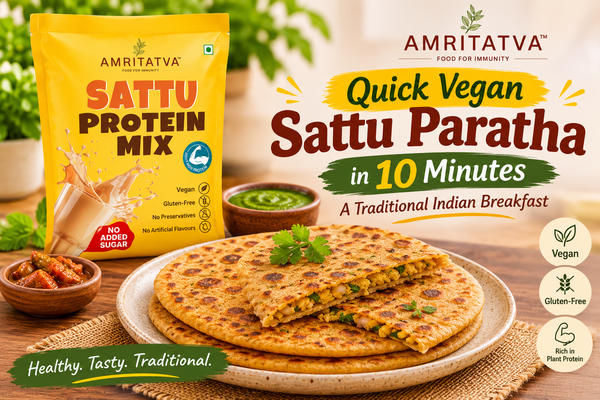
Sattu Protein Mix: Plan a quick breakfast, drink or suitable snack using sattu.
-
Gluten-Free Noodles: Keep an option for a quick meal and add vegetables and a suitable protein source.
-
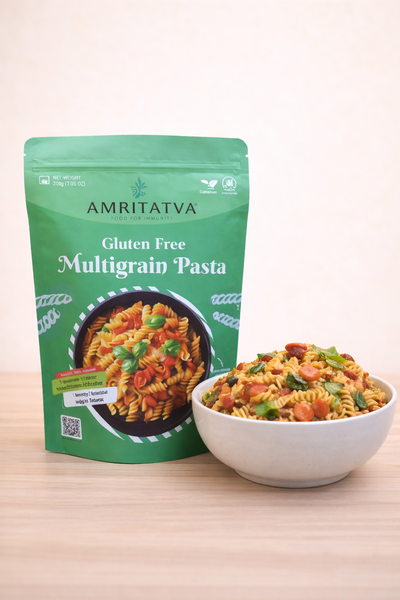
Gluten-Free Pasta: Plan an easy lunch or dinner with vegetables and seasonings.
-
Seasonings: Keep flavours convenient when preparing everyday meals.
-
Oyster Mushroom Powder: Explore its use as an ingredient in suitable recipes, such as gravies, soups or savoury preparations.
The purpose is not to make every meal dependent on packaged products. It is to provide practical food options that can complement home cooking according to your needs.
AMRITATVA products are made in India and independently tested by third-party laboratories. We are a DPIIT-recognised startup and FSSAI-approved.
Explore our products at www.amritatva.com.
Frequently Asked Questions
1. How much time does meal planning take?
You can start with 15–30 minutes once a week, depending on how detailed you want your plan to be. Simply decide a few breakfasts, lunches and dinners, check your pantry and prepare a grocery list. You don't need to schedule every meal or spend hours preparing ingredients. Start small and adjust the routine as you learn what works.
2. Does meal planning mean eating the same food every day?
No. Meal planning can actually help you introduce variety because you have time to choose different grains, pulses, vegetables and recipes. You can repeat a few convenient meals while changing accompaniments, vegetables or seasonings. The aim is to reduce daily decision-making, not make meals monotonous.
3. Is meal planning useful for working women and busy families?
It can be useful for anyone managing a busy schedule. Planning a few meals and preparing selected ingredients in advance can reduce the pressure of deciding what to cook after work or during hectic mornings. Family members can also contribute by choosing meals, preparing ingredients or helping with the shopping list.
4. Can meal planning help save money?
It may help you manage food spending by creating a shopping list, reducing impulse purchases and using ingredients before they spoil. Savings depend on your existing habits, food prices, household needs and the meals you choose. You don't need expensive ingredients to plan balanced meals.
5. What if my meal plans change during the week?
Keep your plan flexible. Swap meals between days, use ingredients in another recipe or choose a simple backup meal. Meal planning is a guide, not a strict rule. Your routine should support your life rather than create stress when something unexpected happens.
6. What is the easiest way to start meal planning?
Start by planning just three days. Choose two breakfasts, two lunch ideas and two dinner ideas. Make a grocery list, prepare one or two ingredients in advance and see how the week goes. Once you feel comfortable, extend your plan to five or seven days.
Your Future Self Will Thank You
Healthy eating doesn't have to depend on motivation every single day. Sometimes, the most powerful habit is simply making a few decisions before life gets busy.
Plan a few meals. Keep useful ingredients ready. Make your grocery list. Prepare what you can.
You don't need a perfect meal plan. You need a plan that works on real Mondays, busy Wednesdays and tired Fridays.
Wellness is built through small, repeatable choices. And sometimes, the best choice you can make today is to make tomorrow a little easier.



0 comments