

Why does your post-workout meal matter?
Your post-workout meal helps provide the nutrients your body needs to recover after physical activity. Protein supports muscle repair and adaptation, carbohydrates help replenish stored energy, and fluids replace water lost through sweating. The right combination depends on how hard and how long you exercised, what you ate before training, and when your next workout is scheduled.
You do not need an expensive supplement or a complicated meal plan to get started. Everyday Indian foods such as dal, curd, paneer, eggs, soy, chickpeas, rice, roti and fruit can form part of a balanced recovery meal. The goal is not to eat as quickly as possible after every workout; it is to nourish your body consistently and match your food choices to your activity.
What happens to your body after exercise?
Exercise places demands on your muscles and energy systems. Depending on the activity, your body uses stored carbohydrate, experiences changes in fluid balance and initiates processes that help muscles repair and adapt.
Three nutritional priorities are particularly useful:
-
Muscle repair: Protein supplies amino acids that help repair and build muscle tissue.
-
Energy replenishment: Carbohydrates help restore muscle glycogen, especially after long or intense exercise.
-
Fluid replacement: Drinking enough helps replace fluid lost through sweat.
A short, light workout may not require a special recovery snack if you have eaten adequately and your next meal is coming soon. Longer training sessions, demanding strength workouts and closely spaced exercise sessions may make recovery nutrition more important.
What should a balanced post-workout meal include?
A practical starting point is to combine a protein source, a carbohydrate source and fluids. You can adjust portions to your appetite, activity level and overall nutrition needs.
| Nutrient | Why it matters | Everyday Indian food options |
|---|---|---|
| Protein | Supports muscle repair and adaptation | Dal, curd, paneer, milk, eggs, tofu, soy chunks, chickpeas |
| Carbohydrates | Help replenish energy stores | Rice, roti, poha, potatoes, fruit, oats, millets |
| Fluids | Help replace water lost through sweating | Water; electrolyte drinks when appropriate |
| Other nutrients | Contribute to overall dietary adequacy | Vegetables, fruit, nuts and seeds |
You do not have to include every food group in one snack. What matters most is your overall diet across the day, including adequate energy and protein for your needs.
How much protein do you need after a workout?
Protein needs vary with body size, training goals, age, total daily food intake and the type of exercise you do. Sports-nutrition research commonly discusses a serving of around 20–40 grams of protein for many exercising adults, but this is not a universal target for every person or every meal.
For most people, a useful approach is to include protein regularly throughout the day rather than relying on one large post-workout serving. A bowl of dal with rice, curd with a meal, paneer with roti, eggs with toast, or tofu with vegetables can all contribute.
If you follow a vegan diet, combine foods such as lentils, chickpeas, beans, soy, tofu and other suitable plant-based protein sources across your day. You can also use fortified plant-based milk where appropriate.
Remember: A product labelled “protein” is not automatically the best option for you. Check the nutrition panel, ingredients, serving size and your individual dietary needs.
Do you need to eat immediately after exercise?
Not necessarily. The idea that everyone must consume a recovery meal within a few minutes of finishing exercise is too simplistic.
The timing of your next meal depends partly on when you last ate, the demands of your workout and how soon you will exercise again. If you trained after several hours without food, eating a balanced meal reasonably soon afterwards may be helpful. If you had a substantial meal before training and your workout was moderate, your usual next meal may be sufficient.
For athletes completing demanding sessions with limited time before the next event or workout, more deliberate planning of carbohydrate, protein and fluids can be useful.
Rather than stressing over a strict countdown, focus on eating enough across the day and planning ahead for demanding training sessions.
What are some easy Indian post-workout meal ideas?
Recovery food can fit naturally into familiar meals. Choose options that suit your appetite, food preferences and training schedule.
| Meal idea | What it provides | A practical tip |
|---|---|---|
| Dal and rice | Plant protein and carbohydrates | Add vegetables for variety |
| Curd with fruit and oats | Protein, carbohydrates and other nutrients | Choose a portion that suits your appetite |
| Paneer or tofu wrap | Protein and carbohydrates | Add vegetables and use a suitable wrap |
| Eggs with whole-grain toast | Protein and carbohydrates | Pair with fruit if you need more food |
| Chana chaat with poha | Plant protein and carbohydrates | Adjust spices to your preference |
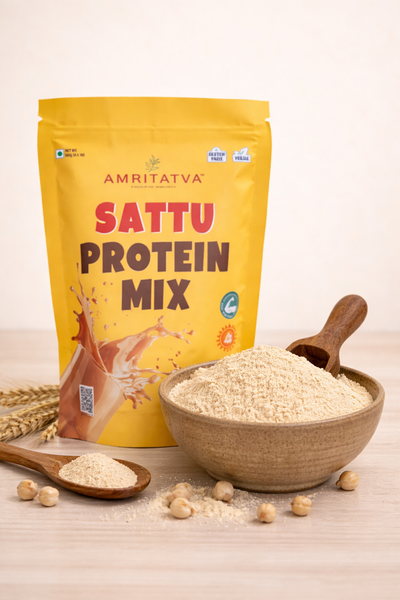
| Sattu drink with a banana | A convenient combination of plant protein and carbohydrates | Check the product ingredients and prepare it to suit your dietary needs |
| Soy or lentil bowl with millet | Plant protein and carbohydrates | Include vegetables and a source of flavour you enjoy |
There is no single best meal for everyone. A person doing a short yoga session may need something different from someone finishing a long run or a demanding strength-training session.
How important is hydration after a workout?
Hydration is an important part of recovery. Your fluid needs depend on sweat loss, the weather, exercise duration and intensity, and whether you will train again soon.
For many everyday workouts, drinking water and having normal meals is sufficient. After prolonged or intense exercise, particularly in hot and humid conditions, replacing electrolytes may also be useful.
Coconut water can contribute fluid and electrolytes, but it is not automatically a complete replacement for a formulated sports drink in every situation. Sports drinks may be useful during or after prolonged, strenuous activity, but they are generally unnecessary for every short workout.
Practical tips:
-
Drink water regularly and respond to thirst.
-
Pay attention to heat and how much you sweat.
-
After heavy sweating, include fluids and meals that help replace lost electrolytes.
-
Avoid forcing excessive amounts of water in a short period.
People with medical conditions that affect fluid or electrolyte balance should follow advice from their healthcare professional.
Which post-workout nutrition mistakes should you avoid?
A few common misconceptions can make eating for recovery more complicated than it needs to be.
1. Skipping meals regularly: If your overall intake is insufficient, recovery and training may suffer. However, a separate snack is not essential after every light workout.
2. Focusing only on protein: Protein matters, but carbohydrates, fluids, total energy intake and overall dietary variety also matter.
3. Treating supplements as compulsory: Many people can meet their nutrition needs through ordinary foods. Supplements are a choice, not a requirement for everyone.
4. Following strict timing rules: Your total daily intake and the context of your workout are more important than chasing a universal post-workout deadline.
5. Labelling foods as rewards or punishments: You do not need to “earn” food through exercise. A flexible, balanced approach is more practical to maintain.
How can you make recovery nutrition a sustainable habit?
The most useful routine is one you can repeat consistently.
-
Plan a balanced meal around your usual training schedule.
-
Keep convenient foods available, such as fruit, curd, roasted chickpeas or suitable plant-based alternatives.
-
Include protein sources across meals instead of relying on a single food.
-
Drink enough fluids, with additional attention to heat and heavy sweating.
-
Prioritise adequate sleep, rest days and a training plan suited to your ability.
-
Adjust your food portions to your hunger, activity and goals.
At Amritatva, we believe thoughtful food choices should fit real life. Familiar ingredients, practical preparation and balanced habits can help make nutrition easier to maintain—without extreme rules or unnecessary complexity.
Post-workout nutrition is one part of the bigger picture. Consistent training, adequate food, hydration, sleep and recovery all work together over time.
Frequently Asked Questions
1. What is the best food to eat after a workout?
There is no single best food for everyone. A balanced option containing protein and carbohydrates is a practical starting point. Examples include dal and rice, paneer with roti, eggs with toast, tofu with rice or curd with fruit and oats. Choose based on your dietary preferences, appetite, activity and overall nutrition needs.
2. Is it necessary to eat within 30 minutes of exercising?
No, not for everyone. The urgency depends on your previous meal, workout demands and when you will exercise again. Eating reasonably soon can be useful after demanding sessions or when you have trained without eating for several hours. For many people, a balanced meal at their normal mealtime is sufficient.
3. Are carbohydrates important after exercise?
Yes. Carbohydrates help replenish muscle glycogen, which the body uses as fuel during exercise. Their importance increases after long or intense sessions and when another demanding workout is coming soon. Rice, roti, potatoes, poha, oats, fruit and millets are examples of carbohydrate-containing foods that can fit into balanced meals.
4. Can a vegan diet support post-workout recovery?
A well-planned vegan diet can provide recovery nutrition through foods such as lentils, beans, chickpeas, tofu, soy, nuts, seeds and suitable fortified products. Include enough total energy and a variety of protein sources throughout the day. Athletes with demanding training schedules may benefit from guidance from a qualified sports dietitian.
5. Is coconut water enough after every workout?
Coconut water provides fluid and some electrolytes, but it is not necessary after every workout and may not replace all the fluid and sodium lost during prolonged, heavy sweating. For many shorter sessions, water and normal meals are sufficient. The right approach depends on sweat loss, climate, exercise duration and individual needs.
6. Do I need a protein shake after exercise?
Not necessarily. Protein shakes can be convenient, but ordinary foods can also supply protein. Dal, dairy products, eggs, tofu, soy and legumes can all contribute, depending on your diet. Consider a supplement only if it helps meet your needs conveniently, and review its ingredients, nutrition information and suitability for you.
7. What should I eat after an evening workout?
Choose a balanced dinner that includes a protein source, carbohydrates and vegetables. For example, you could have dal, rice and vegetables; paneer with roti; or tofu with millet and vegetables. Adjust portions to your appetite and training demands. You do not need to avoid dinner simply because you exercised in the evening.
0 comments