

Why Do Millets Matter for the Future of Food?
Millets are gaining renewed attention because they can contribute to dietary diversity, food security and more resilient agricultural systems. In March 2021, the United Nations General Assembly declared 2023 the International Year of Millets, with the Food and Agriculture Organization (FAO) leading the initiative. Its purpose was to raise awareness of millets' nutritional value, their suitability for cultivation in challenging environments and the opportunities they offer farmers and food systems.
For India, this international recognition connects with a long-standing food tradition. Ragi, bajra, jowar and other millet varieties have featured in regional cuisines for generations, from rotis and porridges to steamed dishes and savoury preparations.
Millets are not a complete solution to global food challenges, and no single crop can meet every nutritional or environmental need. However, they offer useful possibilities when grown appropriately and included in varied diets. Understanding their strengths, differences and practical uses can help consumers make more informed food choices.
What Did the United Nations Say About Millets?
The UN's designation of 2023 as the International Year of Millets was an international awareness initiative, not a declaration that millets are universally superior to every other grain.
The FAO highlighted several areas where millets can make a contribution:
-
Nutrition: Different millet varieties provide varying amounts of dietary fibre, protein, vitamins and minerals.
-
Climate resilience: Many millet crops can grow in dryland conditions and tolerate heat or other environmental stresses better than some alternative crops.
-
Food security: Millets can provide additional grain options in regions where growing conditions make other staples less reliable.
-
Livelihoods: Strengthening millet production, processing and markets can create opportunities for farmers and food businesses.
-
Food diversity: Millets can help diversify diets and agricultural systems rather than relying on a narrow range of staple crops.
These are opportunities, not guarantees. Outcomes depend on the variety grown, local climate, farming practices, access to markets and how the grains are processed and consumed.
Why Are Millets Relevant to Climate-Resilient Agriculture?
Food systems face challenges from changing rainfall patterns, rising temperatures, pressure on natural resources and the need to produce affordable food. Crop diversity is one way to improve resilience.
Many millet varieties are suited to relatively dry environments and can grow with limited external inputs under appropriate conditions. Some can also produce grain in challenging seasons when other crops struggle. This makes them valuable options for particular farming regions, especially where water availability and rainfall variability are important concerns.
However, it would be inaccurate to say that every millet always requires less water or has a lower environmental footprint than every alternative crop. Environmental outcomes depend on the crop variety, soil, location, irrigation, farming methods, processing and transport.
The practical lesson is that millets can contribute to more diverse and climate-resilient food systems when they are suited to local growing conditions. Supporting regional crops and responsible agricultural practices is more meaningful than treating any one grain as a universal environmental solution.
What Nutrients Do Millets Provide?
Millets are a diverse group of grains, so their nutritional composition varies by species, variety, growing conditions and processing method.
Depending on the variety, millets can provide:
-
Dietary fibre, which contributes to normal bowel function and helps make meals more varied.
-
Plant protein, in amounts that differ across millet types.
-
Minerals, such as iron, magnesium and zinc, with quantities varying by variety.
-
Other nutrients, including certain B vitamins.
For example, ragi is known for its calcium content relative to many other cereal grains, while other millets have different nutritional profiles. No single millet provides every nutrient in the amounts a person needs.
The way a grain is processed also matters. Whole-grain forms may retain more of the original grain structure and fibre than more refined forms. Pairing millets with pulses, beans, vegetables and other foods can help create more varied meals.
Which Indian Millets Can You Include in Your Meals?
India has a wide range of millet varieties, each with its own texture, flavour and cooking uses.
| Millet | Common Indian name | Everyday cooking ideas |
|---|---|---|
| Finger millet | Ragi | Porridge, dosa, roti and baked preparations |
| Pearl millet | Bajra | Roti, khichdi and traditional winter meals |
| Sorghum | Jowar | Bhakri, roti and savoury flatbreads |
| Foxtail millet | Kangni or thinai in some regional cuisines | Cooked grain bowls, pulao and upma |
| Little millet | Kutki or samai in some regional cuisines | Khichdi, pongal-style dishes and pulao |
| Barnyard millet | Sanwa or jhangora in some regional cuisines | Khichdi, porridge and savoury meals |
Regional names can vary, so check the variety and product label when buying.
You do not have to replace rice or wheat completely to explore millets. Start with one dish that suits your household and build variety gradually.
How Can You Use Millets in Everyday Indian Cooking?
Millets work best when you choose a preparation that suits the grain's texture and cooking requirements.
For breakfast
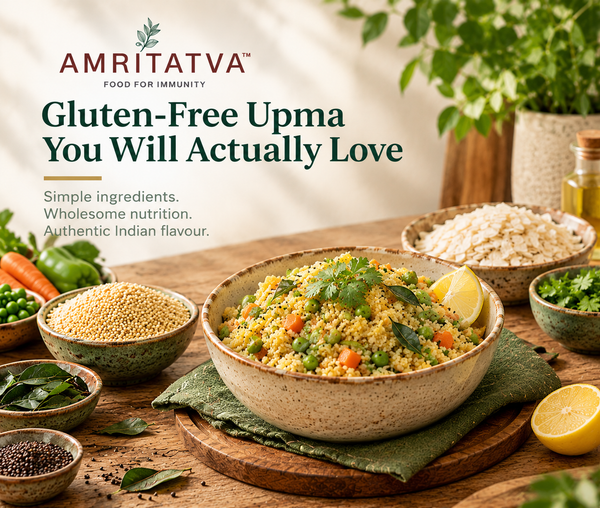
Try ragi porridge, millet upma or a dosa made with a suitable millet batter. Add vegetables, nuts or another suitable accompaniment according to your preferences.
For lunch
Serve bajra roti or jowar bhakri with dal, seasonal vegetables and a suitable protein source. This is a familiar way to bring a millet into a broader meal rather than eating it on its own.
For dinner
Use foxtail or little millet in a khichdi-style preparation with pulses and vegetables. Adjust the water and cooking time according to the specific grain and packet instructions.
For snacks
Explore homemade millet-based savoury snacks or baked preparations. Check packaged versions for their ingredient list, sodium, added sugar and fat content rather than assuming that a millet label automatically makes a snack nutritious.
For convenient cooking
Choose grains that fit your routine. Some millets need soaking or longer cooking, while other products may be processed for quicker preparation. Follow the package directions and store grains in clean, dry, airtight containers.
A useful starting point: Replace one familiar grain-based dish with a millet version that you genuinely enjoy. The aim is variety, not a complicated new diet.
Are Millets Always Healthier Than Rice or Wheat?
No. It depends on the grain, how it is processed, what nutrients you need and how the overall meal is prepared.
Millets can contribute fibre and minerals, but rice and wheat also provide nutrients and can fit into balanced eating patterns. Comparing grains solely by their reputation can be misleading.
Consider these points:
-
Variety matters: Different grains provide different nutrient profiles.
-
Processing matters: Whole-grain and refined forms can differ in fibre and other nutrients.
-
The full meal matters: Pulses, vegetables and other foods influence the overall nutritional profile.
-
Preparation matters: Added sugar, salt, fats and portion sizes can change a dish's nutritional composition.
-
Individual needs matter: People with specific health or dietary requirements may need personalised guidance.
Are Millets Gluten-Free?
Millets are naturally gluten-free grains. However, that does not mean every packaged millet product or prepared millet dish is automatically safe for someone who must avoid gluten.
Cross-contact can occur during harvesting, transport, milling, packaging, storage or cooking. Seasonings, mixes and ready-to-eat products may also contain other ingredients.
If you have coeliac disease or need strict gluten avoidance:
-
Check the product's gluten-free labelling and ingredient list.
-
Choose appropriately controlled products where necessary.
-
Avoid cross-contact from shared utensils, surfaces and cooking equipment.
-
Ask about preparation methods when eating outside your home.
For people who do not need to avoid gluten, millets can still be included as part of a varied diet according to personal preference.
Can Millets Support Farmers and Local Food Traditions?
Millets are important not only as food but also as agricultural crops connected to regional food cultures and livelihoods.
Demand for diverse grains can create opportunities for farmers, processors, local food businesses and cooks who develop products around regional ingredients. The FAO's International Year of Millets initiative highlighted the importance of stronger production systems, markets and consumer awareness.
However, increased consumer demand alone does not guarantee better incomes for farmers. Fair market access, reliable procurement, suitable infrastructure, research, storage and responsible sourcing also matter.
For consumers, one practical step is to explore grains grown and traditionally used in different Indian regions. Learning how to cook them, buying suitable products and valuing culinary diversity can help maintain interest in these food traditions.
How Does Amritatva Approach Traditional Ingredients?
At Amritatva, we believe that traditional food knowledge can inspire practical choices for modern kitchens. Familiar ingredients can be explored in convenient formats without claiming that one food is a miracle solution.
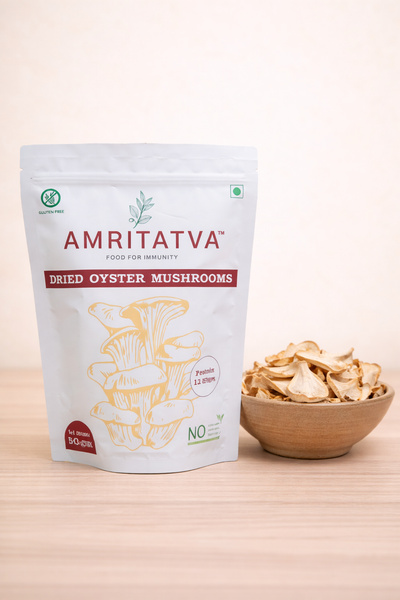
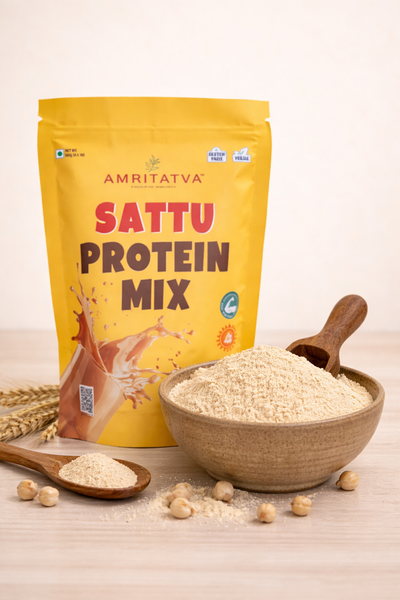
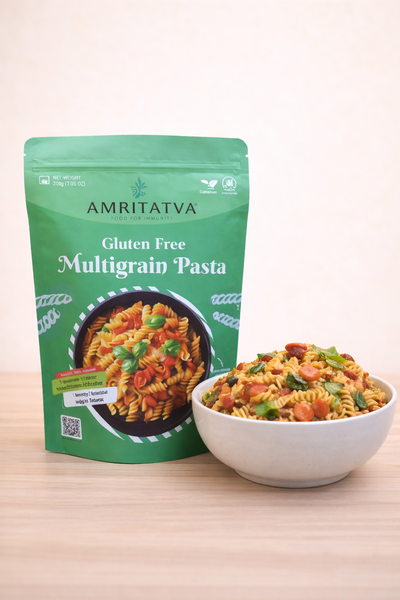
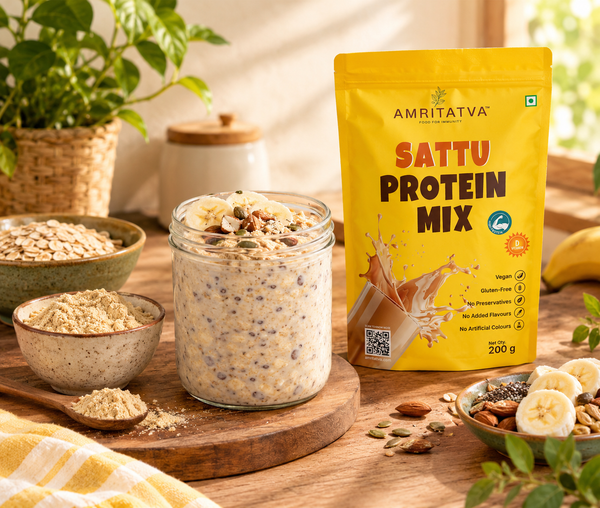
Our product range includes vegan and gluten-free foods such as gluten-free pasta and noodles, oyster mushroom powder, seasonings and sattu-based mixes. These products serve particular cooking preferences and dietary needs; they are not substitutes for a varied diet.
Millets are another example of how Indian food traditions can inspire everyday cooking. Whether you enjoy them as roti, khichdi, upma or porridge, the most useful approach is to understand the ingredient, prepare it appropriately and choose meals that suit your needs.
We believe food awareness grows when people have reliable information and practical ideas—not when they feel pressured to follow every new trend.
Frequently Asked Questions
1. Why did the UN declare 2023 the International Year of Millets?
The United Nations General Assembly designated 2023 as the International Year of Millets to raise awareness of their nutritional value, role in food security and potential contribution to sustainable agriculture. The FAO led the initiative, which also aimed to encourage attention to millet production, markets and livelihoods. The designation highlighted their potential; it did not establish that millets are the best grain for every person or farming region.
2. Which millet is best for everyday eating?
There is no single best millet for everyone. Ragi, bajra, jowar, foxtail millet, little millet and other varieties have different flavours, textures and nutritional profiles. Choose according to availability, affordability, cooking time, dietary requirements and the meals you enjoy. Including a variety of suitable grains over time is generally more useful than relying on only one.
3. Are millets better for the environment than rice or wheat?
Millets can be well suited to dryland and challenging growing conditions, and some varieties can grow with limited water and other inputs. However, the environmental comparison depends on local climate, farming practices, irrigation, crop variety, yield, processing and transport. It is more accurate to say that millets can support agricultural diversity and resilience than to claim that every millet has a lower environmental impact in every situation.
4. Do millets provide protein and fibre?
Yes, millets provide varying amounts of protein and dietary fibre depending on the variety and how the grain is processed. Their nutritional composition differs, so the label or a reliable nutrition database is useful when exact values matter. Pairing millet dishes with pulses, beans and other suitable foods can contribute to a more varied meal.
5. Can people with coeliac disease eat millets?
Millets are naturally gluten-free, but cross-contact can occur during processing, packaging or cooking. People with coeliac disease should choose suitable products with reliable gluten-free information and take precautions in the kitchen. If the product's safety is uncertain, do not assume it is suitable simply because the ingredient is millet.
6. How can I start eating millets if I am not used to them?
Begin with one familiar dish, such as ragi porridge, bajra roti, jowar bhakri or millet khichdi. Follow the cooking instructions for the variety you buy and pair the grain with foods you already enjoy. You do not need to change your entire diet at once. Experiment with small quantities and preparations until you find options that fit your taste, schedule and budget.
The Future of Food Can Learn From the Past
Millets have gained international attention because they offer opportunities in nutrition, crop diversity, food security and climate-resilient agriculture. The UN's International Year of Millets brought these possibilities into focus, while also drawing attention to the farmers, communities and food traditions connected with these grains.
Millets are not a miracle food, and no single crop can solve the challenges facing global food systems. But they can be a meaningful part of a more diverse approach to growing, preparing and enjoying food.
At Amritatva, we believe that exploring traditional ingredients with reliable information and practical cooking ideas helps connect food heritage with modern routines.
Sometimes, looking ahead means rediscovering the grains we have known for generations.
0 comments