

What Is Clean Eating? A Science-Based Definition
Clean eating is an informal term generally used to describe an eating pattern that prioritises vegetables, fruits, pulses, whole grains, nuts, seeds and other nutrient-rich foods while paying attention to ingredients and limiting excessive intake of foods high in added sugar, sodium or saturated fat. There is no single scientific definition of “clean eating,” and it does not require following a rigid diet or avoiding every packaged food.
Nutrition science focuses more usefully on the overall quality, variety and balance of a person's diet. This means considering what you eat regularly, how foods are prepared, portion sizes, nutritional needs and the role of food in your everyday life.
For Indian households, this approach can be practical and familiar. Dal, seasonal vegetables, whole grains, sattu, fruit, nuts and home-cooked meals can all contribute to a varied eating pattern. The aim is not to eat perfectly. It is to make informed choices that are realistic enough to maintain.
What Does Clean Eating Actually Mean?
Because “clean eating” is not a regulated nutrition term, different people use it in different ways. Some use it to describe eating more whole foods; others use it to promote restrictive diets or particular products.
A science-informed interpretation focuses on the overall dietary pattern rather than whether an individual food is labelled clean.
This generally means:
-
Eating a variety of vegetables and fruits.
-
Including pulses, beans, lentils and other suitable protein sources.
-
Choosing whole grains regularly where appropriate.
-
Including nuts, seeds and suitable sources of unsaturated fats.
-
Limiting excessive intake of added sugars, salt and foods high in saturated fat.
-
Reading food labels and understanding ingredients.
-
Choosing meals that fit your nutritional needs, budget, culture and preferences.
These principles do not mean that every meal must contain a perfect combination of nutrients. Nor do they mean that a packaged food is automatically unhealthy or that a homemade food is automatically nutritious.
The more useful question is not “Is this food clean?” but “How does this food fit into my overall eating pattern?”
What Does Nutrition Science Say About Whole and Minimally Processed Foods?
Whole and minimally processed foods often make it easier to include fibre, vitamins, minerals and a variety of nutrients in everyday meals.
For example, whole fruits generally provide fibre along with naturally occurring sugars. Whole grains retain more of their original grain structure than refined grain products. Pulses such as chickpeas, lentils and beans contribute protein, fibre and other nutrients.
Research also shows that the overall quality of a dietary pattern matters. Eating a variety of nutrient-rich foods regularly is more meaningful than focusing on a single ingredient or following a fashionable food rule.
However, processing itself is not a reliable measure of whether a food is healthy.
Frozen vegetables can be convenient and nutritious. Pasteurised milk improves food safety. Packaged oats, canned beans and fortified foods can help people prepare practical meals. Some packaged foods are also high in salt, added sugar or saturated fat, so checking the product and its nutrition information is useful.
Instead of judging food by its packaging or marketing language alone, consider the ingredients, nutritional information, portion and frequency of consumption.
Does Clean Eating Mean Avoiding All Processed Foods?
No. Processing covers a wide range of methods, from washing, drying and freezing to fermenting, pasteurising and manufacturing packaged meals.
These processes can improve safety, shelf life, convenience or nutritional value. The more useful distinction is between different foods and how they contribute to your overall diet.
| Food or preparation | Practical way to assess it |
|---|---|
| Fresh or frozen vegetables | Both can help you include vegetables in everyday meals. |
| Plain oats or packaged whole grains | Check the ingredients and preparation instructions. |
| Packaged dal or beans | Compare sodium levels and added ingredients where relevant. |
| Flavoured instant noodles | Check sodium, saturated fat and the overall nutritional profile. |
| Sweetened drinks | Consider how often you consume added sugars and whether water or another suitable drink would work. |
| Biscuits, sweets and festive snacks | Enjoy them according to your preferences and dietary needs, while considering your overall eating pattern. |
This comparison is not a universal ranking. Products differ, and individual nutritional requirements vary.
A useful habit is to compare similar products rather than assume that a homemade item is always better than a packaged alternative.
How Can You Read a Food Label Without Feeling Overwhelmed?
Food labels help you understand what a product contains. You do not need to memorise every ingredient or become a nutrition expert to make useful comparisons.
Start with these steps:
1. Read the ingredient list.
Ingredients are generally listed in descending order by weight. Notice the main ingredients and check for anything you need to avoid.
2. Check the serving size.
Nutrition information may be provided per 100 g, per 100 ml or per serving. Make sure you understand which amount you are comparing.
3. Look at the nutrients relevant to you.
Depending on your needs, you may want to compare protein, fibre, added sugars, sodium or saturated fat.
4. Check dietary and allergen information.
If you follow a vegan or gluten-free diet, examine the ingredients and relevant label declarations. People with coeliac disease or food allergies may need additional information about cross-contact.
5. Be cautious with marketing words.
Terms such as “natural,” “clean,” “guilt-free” and “wholesome” do not tell you the complete nutritional profile of a product.
In India, refer to applicable FSSAI labelling requirements and the information provided on the actual package. If you have a medically necessary dietary restriction, do not rely on marketing language alone.
How Can You Practise Clean Eating With Everyday Indian Foods?
You do not need imported ingredients, expensive supplements or a completely new kitchen routine to improve the variety and balance of your meals.
Start with familiar foods and make changes that suit your household.
Breakfast
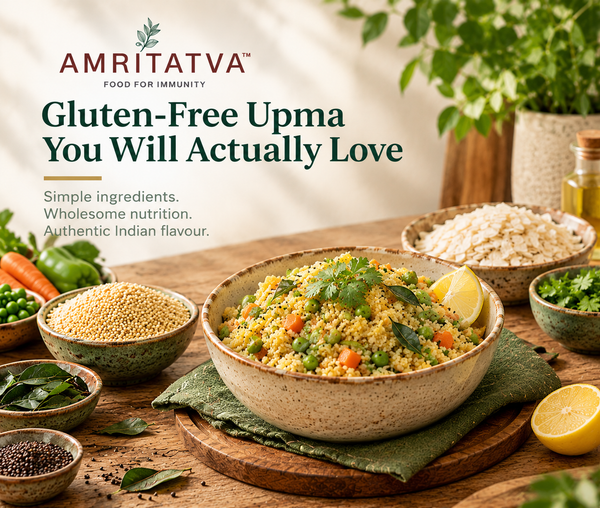
Consider poha with vegetables and peanuts, vegetable upma, oats with fruit and nuts, or sattu mixed into a suitable drink. The best option depends on your appetite, nutritional needs, ingredients and preferences.
Lunch
A meal could include dal or rajma, vegetables, rice or roti, and curd if it suits your diet. You can adjust the portions and ingredients according to your needs.
Evening snack
Try fruit, roasted chana, nuts in a suitable portion or another convenient snack you enjoy. Packaged options can also fit; compare their ingredients and nutrition information.
Dinner
Khichdi with vegetables, dal with rice, millet-based dishes or a vegetable and pulse preparation can offer practical meal options. Variety across the week is more useful than trying to make every meal identical.
Drinks
Water is a practical everyday choice. Depending on your preferences, you may also enjoy unsweetened drinks, chaas if you consume dairy, or a sattu drink prepared with suitable ingredients. Consider added sugar and your individual dietary requirements.
The goal is to build a routine around foods you can afford, find and enjoy—not to replace every familiar food at once.
What Is the Difference Between Clean Eating and Restrictive Dieting?
Clean eating can become unhelpful when it turns into a set of rigid rules about which foods are acceptable.
For example, someone might begin avoiding entire food groups without a medical or nutritional reason, feel guilty after eating a favourite sweet, or believe that one meal has ruined their progress.
A more flexible approach focuses on patterns over time.
| A rigid approach | A more practical approach |
|---|---|
| Avoid every packaged food | Compare products and choose according to your needs. |
| Eliminate entire food groups without a clear reason | Include a variety of suitable foods unless a restriction is medically indicated. |
| Feel guilty after eating a dessert | Enjoy it and return to your usual routine. |
| Buy expensive foods because they are marketed as healthy | Choose affordable, familiar foods that meet your needs. |
| Expect every meal to be perfect | Focus on habits you can maintain over time. |
Food is also connected to culture, celebrations, comfort and social life. A sustainable eating pattern can make room for these experiences.
If food rules begin causing persistent anxiety, guilt or significant restrictions, consider speaking with a qualified dietitian or healthcare professional.
Does Clean Eating Automatically Improve Digestion, Energy or Immunity?
No single eating pattern guarantees a particular outcome for every person.
A varied diet containing adequate nutrients supports normal body functions, and dietary patterns rich in vegetables, fruits, whole grains and pulses are associated with several positive health outcomes. However, individual results depend on many factors, including total dietary intake, sleep, physical activity, health conditions, medication and other circumstances.
Fibre can support normal bowel function, but increasing fibre suddenly may cause discomfort for some people. A person's energy levels are influenced by sleep, meal patterns, hydration, activity and health, not just whether a meal is considered clean.
Similarly, no single food or product can guarantee immunity or prevent illness. If you have persistent digestive symptoms, unusual fatigue or another health concern, seek appropriate medical advice instead of relying on a dietary trend.
Science-based nutrition is about understanding what evidence supports—and what it does not establish.
How Does Amritatva Approach Thoughtful Food Choices?
At Amritatva, we believe that understanding ingredients should make everyday food choices easier, not more stressful.
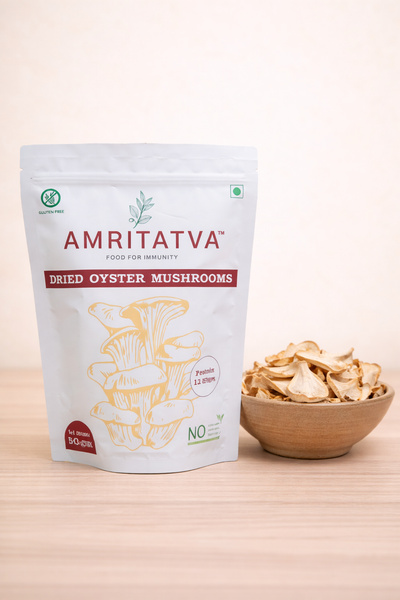
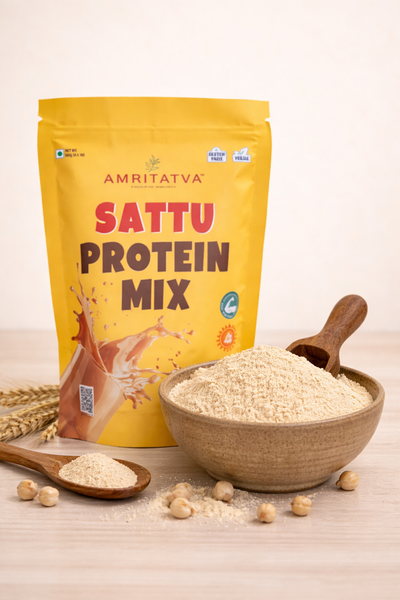
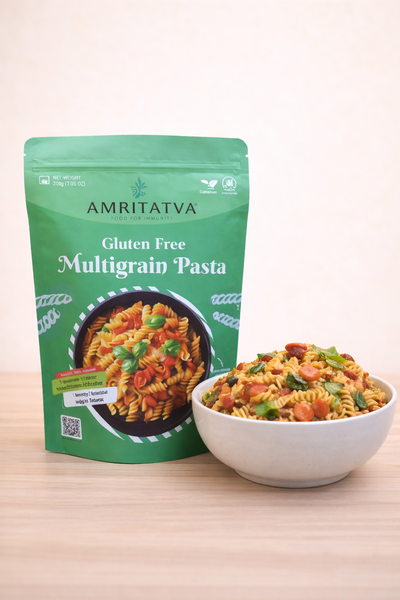
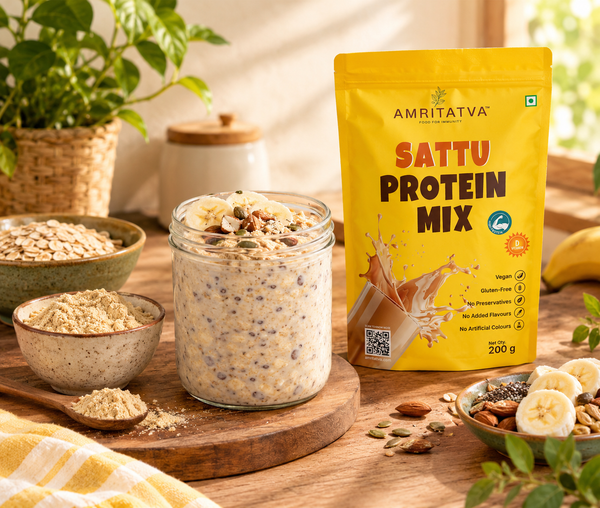
Our range includes vegan and gluten-free options such as oyster mushroom powder, gluten-free pasta and noodles, seasonings and sattu-based mixes. These products are designed for particular cooking preferences and dietary needs, and their suitability depends on the ingredients, label information and individual requirements.
We encourage people to read labels, understand what they buy and explore practical ways to use ingredients in everyday meals. We do not believe that one ingredient or product is a shortcut to health, or that every packaged food should be avoided.
For people who need to avoid gluten, checking the product's actual label and relevant cross-contact information is particularly important. For vegan choices, ingredient lists help confirm whether a product meets individual requirements.
Our philosophy is simple: food awareness, informed choices and enjoyable meals can work together. You do not need to pursue perfection to build a more thoughtful relationship with food.
A Simple Checklist for More Thoughtful Eating
Start with a few realistic habits:
-
Include a variety of vegetables, fruits, pulses and grains across the week.
-
Choose foods with ingredients and nutrition information you understand.
-
Compare similar packaged products when shopping.
-
Drink water regularly according to your needs.
-
Keep convenient meal and snack options available for busy days.
-
Enjoy favourite foods without labelling yourself or the food as good or bad.
-
Seek qualified advice if you have a medical condition or specific dietary requirements.
You do not have to adopt every habit at once. Choose one change that fits your routine and build from there.
Frequently Asked Questions
1. What is clean eating in simple words?
Clean eating is an informal term for an eating pattern that prioritises a variety of nutrient-rich foods and pays attention to ingredients and overall dietary balance. It does not have one official scientific definition. A practical approach includes vegetables, fruits, pulses, whole grains and other suitable foods while limiting excessive intake of added sugar, sodium and saturated fat. It does not require perfection or avoiding all packaged foods.
2. Is clean eating scientifically proven?
“Clean eating” itself is not a standardised scientific diet, so the term as a whole cannot be described as proven. However, many principles associated with it—such as eating a varied diet rich in vegetables, fruits, pulses and whole grains—are consistent with established dietary guidance. The evidence supports overall dietary patterns rather than the idea that certain foods are inherently “clean” or that one ingredient guarantees a health benefit.
3. Do I need to buy organic food to eat clean?
No. Organic certification is not a requirement for following a balanced eating pattern. Conventional fruits, vegetables, pulses and grains can all contribute to nutritious meals. Choose foods according to availability, affordability, quality, safety and your preferences. Wash produce appropriately and follow food-safety guidance. Avoid assuming that a product is nutritionally superior simply because it is marketed as organic or natural.
4. Are packaged foods unhealthy?
Not necessarily. Packaged foods range from plain oats and frozen vegetables to products high in added sugar or sodium. Packaging can protect food, provide storage information and make everyday cooking more convenient. Check the ingredient list and nutrition information, consider the portion you consume, and compare similar products. The overall dietary pattern matters more than the mere presence or absence of packaging.
5. Can I eat sweets and still follow a balanced diet?
Yes. A balanced eating pattern can include sweets and other favourite foods. Consider how often you consume them, your portion preferences and any individual dietary requirements, but avoid treating one dessert as a failure. If you have a condition that requires specific food management, such as diabetes, follow personalised advice from your healthcare professional.
6. How can I start eating more thoughtfully on a budget?
Begin with affordable foods available locally, such as seasonal vegetables, fruit, pulses, chickpeas, grains and suitable seeds or nuts. Plan a few meals before shopping, use ingredients across multiple dishes and choose convenient packaged options when they fit your budget and needs. You do not need premium products or expensive supplements to make thoughtful food choices. Small, repeatable changes are often easier to maintain than a complete dietary overhaul.
Clean Eating Is About Patterns, Not Perfection
Clean eating is most useful when it encourages food awareness rather than fear of particular ingredients. A varied diet, sensible label reading and practical meal planning can help you make informed choices without following extreme rules.
Start with the foods you already enjoy. Add variety where possible, compare products thoughtfully and choose habits that work for your household, budget and nutritional needs.
At Amritatva, we believe healthy living should feel practical and enjoyable. Choose awareness over anxiety, balance over perfection, and everyday habits over quick fixes.
0 comments