

Clean eating may be a modern wellness phrase, but the idea of paying attention to food has deep roots in Indian traditions. Ayurveda, India's traditional system of health and wellness, has long considered food an important part of daily life. Its dietary principles discuss food quality, preparation, quantity, timing, seasonality and individual preferences. Some of these ideas overlap with modern nutrition recommendations, such as eating a varied diet, choosing nourishing ingredients and developing mindful eating habits. However, Ayurveda and modern nutrition are different knowledge systems, and their concepts should not automatically be treated as scientifically equivalent. Understanding both perspectives can help us appreciate traditional food culture while making informed choices for today's kitchens.
1. What Did Ayurveda Traditionally Say About Food?
In Ayurveda, the concept of Āhāra refers to food and nourishment. Food is considered an important part of maintaining balance and supporting everyday well-being.
Traditional Ayurvedic dietary discussions include several considerations:
-
Food quality: The characteristics and suitability of ingredients.
-
Preparation: How food is cooked and prepared.
-
Quantity: Eating an appropriate amount rather than habitually overeating.
-
Timing: Considering regularity and the context of meals.
-
Seasonality: Adapting food choices to seasonal conditions.
-
Individual needs: Recognising that food preferences and requirements differ between people.
-
Eating behaviour: Giving attention to the meal rather than eating carelessly.
These ideas are part of a traditional framework. They should be understood in their historical and cultural context rather than presented as direct equivalents of modern medical or nutritional concepts.
2. How Does Seasonal Eating Connect with Modern Food Choices?
Seasonal eating is one of the most familiar ideas in traditional Indian food culture. Different regions of India have long adapted their cooking to the ingredients available during different times of the year.
For example:
-
Summer: Water-rich fruits, seasonal vegetables, curd where suitable, and refreshing preparations.
-
Monsoon: Freshly cooked meals, properly washed ingredients and careful food hygiene.
-
Winter: Warm meals, seasonal greens, pulses, millets and traditional preparations.
Modern nutrition also encourages eating a variety of fruits and vegetables. Choosing locally available seasonal produce can introduce different ingredients into the diet and make meal planning more interesting.
However, seasonal food is not automatically more nutritious than food available throughout the year. Freshness, storage, preparation, variety and overall dietary balance all matter.
3. What Is Mindful Eating, and Why Does It Matter?
Traditional Ayurvedic dietary practices give importance to the manner in which food is eaten. Modern mindful eating takes a similar practical approach: paying attention to hunger, fullness, taste and the experience of eating.
Try these simple habits:
-
Sit down for meals whenever possible.
-
Reduce distractions such as television or constant phone use.
-
Eat at a comfortable pace.
-
Notice when you feel comfortably satisfied.
-
Avoid treating every meal as something to finish in a hurry.
-
Make time to enjoy the flavours and textures of your food.
Mindful eating is not a special diet or a guaranteed way to improve metabolism. It is a practical habit that can help people become more aware of their eating patterns.
4. How Do Traditional Indian Spices Fit into Everyday Nutrition?
Turmeric, ginger, cumin, fennel, coriander and cinnamon are familiar ingredients in Indian kitchens. They have traditionally been used to add flavour, aroma and character to everyday dishes.
Modern nutrition research has also studied several spices for their naturally occurring plant compounds. For example, turmeric contains curcuminoids, while ginger contains gingerols and related compounds.
But there is an important distinction: research on isolated compounds, concentrated extracts or supplements does not automatically prove that ordinary culinary amounts treat inflammation, improve digestion or prevent illness.
The practical takeaway is simple: use spices to make everyday food more flavourful and varied. They are valuable ingredients in cooking, but they should not be presented as substitutes for medical treatment.
5. What Do Ayurveda and Modern Nutrition Have in Common?
Some traditional dietary ideas and modern nutrition recommendations share broad themes, even though their explanations and evidence frameworks differ.
| Traditional food principle | Modern nutrition connection | Practical kitchen habit |
|---|---|---|
| Eating a variety of foods | Dietary diversity helps provide different nutrients | Rotate grains, pulses, vegetables and fruits |
| Considering seasonal ingredients | Seasonal availability can encourage food variety | Explore locally available produce |
| Paying attention while eating | Mindful eating encourages awareness of eating habits | Eat without rushing or unnecessary distractions |
| Choosing suitable quantities | Portion awareness can support balanced meals | Serve meals according to appetite and needs |
| Preparing food thoughtfully | Food preparation affects safety, texture and nutrient availability | Wash, cook and store food safely |
| Using herbs and spices | Spices contain naturally occurring plant compounds | Use a variety of spices for flavour |
The overlap is useful, but it does not mean that every traditional belief has been scientifically confirmed. Modern nutrition recommendations are based on nutritional research and public-health evidence, while Ayurveda follows its own traditional concepts and methods.
6. Does Clean Eating Mean Avoiding All Processed Foods?
No. Clean eating is not a formally defined scientific diet, and the word "clean" should not be used to divide foods into morally good or bad categories.
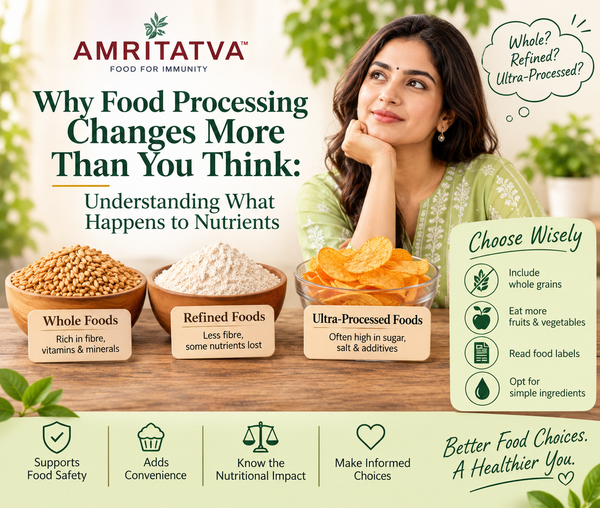
Food processing can serve important purposes, including improving food safety, extending shelf life and making ingredients easier to use.
For example:
-
Washing and cutting vegetables are forms of processing.
-
Cooking pulses makes them suitable for many everyday preparations.
-
Freezing can help preserve food for later use.
-
Drying can extend the storage life of ingredients.
-
Fortification can help improve the nutritional content of certain foods.
At the same time, it is useful to pay attention to products that are high in added sugar, salt or saturated fat, and to understand the ingredients listed on packaged foods.
A more practical approach is to focus on food quality, variety, preparation and the overall pattern of your diet rather than avoiding every packaged product.
7. How Can You Bring Traditional Food Wisdom into a Modern Indian Kitchen?
You do not need to make dramatic changes to your routine. Small, consistent choices can make everyday meals more varied and enjoyable.
Here are some practical ideas:
At breakfast
-
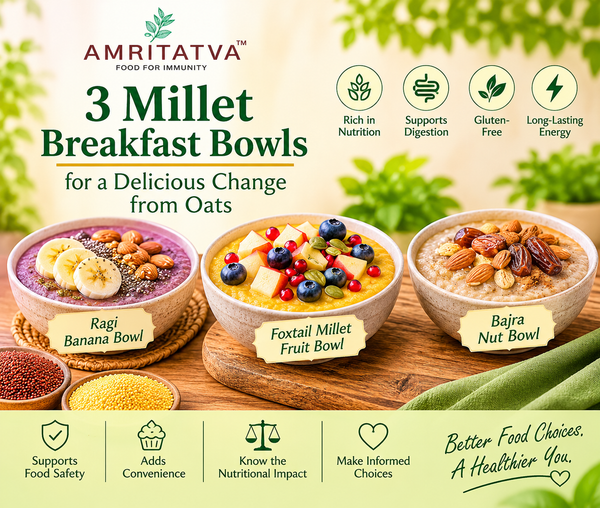
Rotate poha, ragi porridge, millet bowls, vegetable chilla and other familiar options.
-
Add nuts, seeds or a suitable protein-rich ingredient.
-
Include seasonal fruit where convenient.
At lunch
-
Combine cereals or millets with dal, beans or other protein sources.
-
Include different vegetables.
-
Use spices and herbs to build flavour.
At dinner
-
Choose a balanced combination of vegetables, grains and protein-rich foods.
-
Use familiar home-cooked preparations that suit your schedule.
-
Avoid making dinner unnecessarily complicated.
When shopping
-
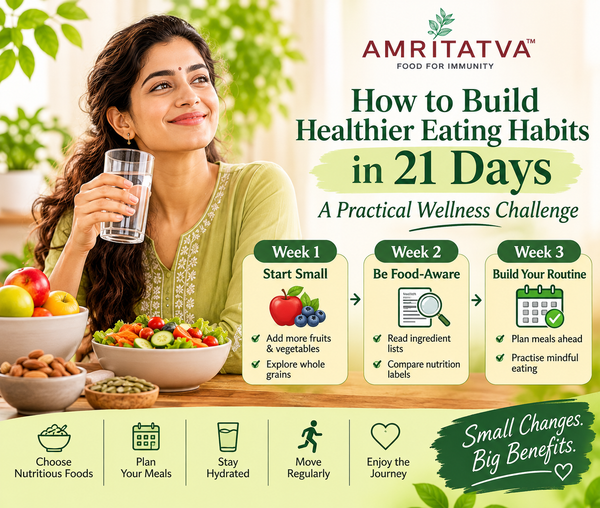
Read ingredient lists and nutrition information.
-
Compare added sugar and sodium where relevant.
-
Check allergen and gluten-free information when required.
-
Choose ingredients that fit your family's needs, preferences and budget.
8. How Does Amritatva Connect Traditional Ingredients with Modern Food Choices?
At Amritatva, we believe traditional ingredients can have a meaningful place in modern kitchens. Food should be practical, enjoyable and easy to understand.
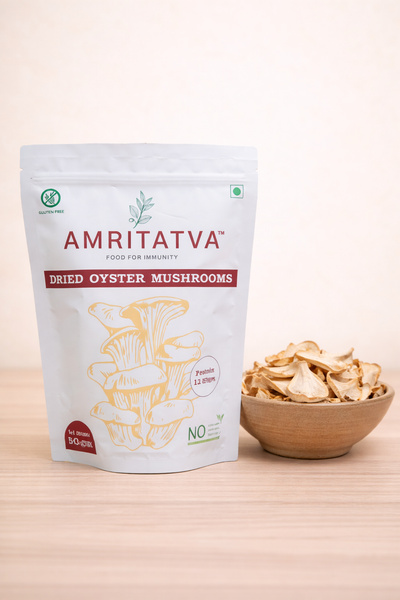
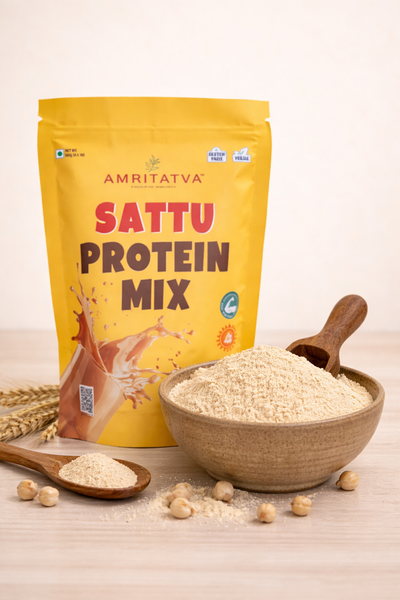
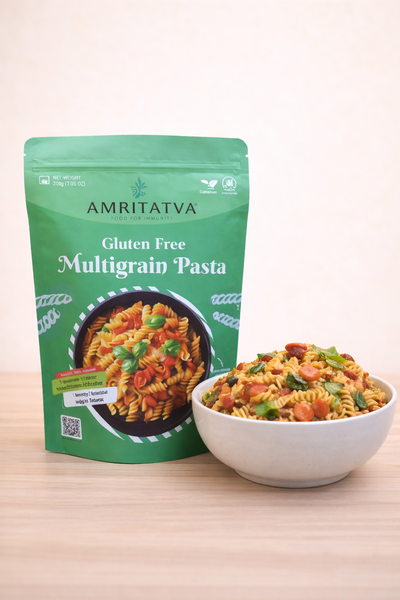
Our approach focuses on thoughtful ingredient selection, transparency and convenient food choices. We work with ingredients such as mushrooms, millets and chickpeas to develop vegan and gluten-free food options.
We also believe that health-conscious eating should not feel complicated or restrictive. Traditional Indian ingredients can be explored in familiar recipes, while modern food knowledge can help us understand labels, ingredients and nutritional needs more clearly.
For us, the connection between traditional food wisdom and modern eating is not about following every trend. It is about making informed choices that work in everyday life.
Frequently Asked Questions
1. Did Ayurveda introduce the concept of clean eating?
Ayurveda did not use the modern phrase "clean eating." However, its traditional dietary principles discussed food quality, preparation, quantity, timing and individual suitability. Some of these ideas overlap with present-day recommendations around balanced diets, food variety and mindful eating. It is more accurate to say that there are shared themes than to claim Ayurveda invented or predicted the modern clean-eating movement.
2. What foods does Ayurveda recommend eating daily?
Traditional Ayurvedic dietary guidance considers factors such as an individual's constitution, digestion, season and food preparation. It does not translate into one universal daily menu for everyone. From a modern nutrition perspective, a varied diet containing vegetables, fruits, pulses, whole grains, nuts and appropriate protein sources is a useful foundation. Individual needs can differ based on age, activity, health and dietary requirements.
3. Are Ayurvedic food principles scientifically proven?
Some broad ideas, such as eating a varied diet, paying attention to meals and choosing suitable food portions, are consistent with modern health guidance. However, traditional concepts such as doshas and agni are not direct equivalents of established biomedical measurements. Evidence for individual Ayurvedic practices and treatments varies, so specific health claims should be assessed separately rather than assuming the entire system is scientifically validated.
4. Are turmeric and ginger good for everyday cooking?
Turmeric and ginger are widely used culinary ingredients and contain naturally occurring plant compounds that have been studied in scientific research. They can add flavour and variety to meals. However, research on concentrated extracts or supplements does not establish that ordinary food portions treat inflammation, digestive conditions or other medical problems. Enjoy them as part of a varied diet rather than relying on them as medicines.
5. Does clean eating mean avoiding packaged food?
No. Packaged foods are not automatically unhealthy, and processing can improve food safety, storage and convenience. Instead of judging a product only by its packaging, check its ingredient list, nutrition information, serving size and allergen declarations. Consider how it fits into your overall eating pattern. A balanced diet can include both freshly prepared meals and suitable packaged foods.
6. How can I start mindful eating at home?
Start with simple habits: sit down for meals, reduce distractions, eat at a comfortable pace and notice your hunger and fullness. Try to make mealtimes less rushed and enjoy the flavours of your food. You do not need special equipment, expensive ingredients or a strict diet plan to practise mindful eating.
Final Thought
Traditional food wisdom does not need to compete with modern nutrition science. Both can encourage us to think more carefully about what we eat, how we prepare it and the habits surrounding our meals.
Ayurveda offers a valuable part of India's food and cultural heritage. Modern nutrition helps us evaluate food choices through scientific evidence. When we respect the strengths and limitations of both, we can build a more thoughtful relationship with everyday food.
Eat with awareness. Choose with understanding. Keep food enjoyable.
0 comments