

Building healthier eating habits does not mean changing your entire lifestyle overnight. It starts with small decisions that fit into your daily routine. Adding a fruit to breakfast, including vegetables in lunch, planning meals ahead or reading a food label more carefully can all be useful starting points. A 21-day challenge gives you a simple structure to practise these changes and understand what works for you. However, 21 days is not a guaranteed period for forming a permanent habit. Research suggests that habit formation varies considerably between individuals and behaviours. Think of these three weeks as the beginning of a more mindful relationship with food—not a race towards perfection.
1. What Does Clean Eating Really Mean?
Clean eating is a popular phrase rather than a formally defined scientific diet. For everyday purposes, it can mean paying attention to food quality, variety, preparation and nutritional balance.
It does not mean avoiding every packaged food, eliminating entire food groups or following an expensive meal plan.
A practical approach includes:
-
Eating a variety of vegetables and fruits.
-
Including pulses, beans and other suitable protein sources.
-
Choosing whole grains and millets regularly.
-
Including nuts and seeds in appropriate portions.
-
Being aware of added sugar, salt and saturated fat.
-
Reading ingredient lists and nutrition information.
-
Enjoying meals without unnecessary restrictions.
The Indian Council of Medical Research–National Institute of Nutrition (ICMR-NIN) recommends a diverse diet that includes different food groups. This is a more useful foundation than following short-term food trends.
2. Why Use a 21-Day Healthy Eating Challenge?
A short challenge can make a broad goal easier to approach. Instead of trying to change everything at once, you can focus on a few manageable actions each week.
There is one important distinction: practising a habit for 21 days does not guarantee that it will become automatic.
A 2024 systematic review and meta-analysis of health behaviour habit formation found substantial variation in the time needed to develop habits. Consistency, repetition, the type of behaviour and the individual's circumstances all matter.
Use the 21 days to:
-
Identify your existing food habits.
-
Introduce manageable changes.
-
Practise meal planning.
-
Become more comfortable reading labels.
-
Discover meals you enjoy and can repeat.
The goal is to continue the useful habits after Day 21.
3. What Should You Do During Days 1–7? Start with Small Changes
<text>Week 1: Build awareness and make simple additions.</text>
The first week is about observing your current routine and making a few realistic changes.
Day 1 — Observe your current meals
Notice what you usually eat for breakfast, lunch, dinner and snacks. Do not judge your choices. Simply understand your starting point.
Day 2 — Add one fruit
Include a seasonal fruit in your breakfast or as a snack.
Day 3 — Add vegetables
Include an additional serving of vegetables in one of your main meals.
Day 4 — Review your beverages
Notice how often you drink sweetened beverages. Try replacing one sugary drink with plain water or an unsweetened alternative.
Day 5 — Explore whole grains
Try a whole-grain or millet-based option such as brown rice, ragi, bajra or foxtail millet.
Day 6 — Include a protein source
Add dal, beans, chickpeas, tofu, soy or another suitable protein source to a meal.
Day 7 — Review your progress
Identify the changes that felt easy and the ones that need adjustment.
Your Week 1 goal: Add variety rather than focusing only on removing foods.
4. What Should You Do During Days 8–14? Become a More Informed Food Shopper
<text>Week 2: Understand ingredients and make thoughtful choices.</text>
Once you have started making small changes, focus on becoming more aware of the foods you buy.
Day 8 — Read an ingredient list
Choose one packaged food and read its ingredients. Notice which ingredients appear first.
Day 9 — Compare two products
Compare similar products for serving size, added sugar, sodium and other relevant nutritional information.
Day 10 — Understand your snacks
Try a combination such as fruit with nuts, roasted chickpeas or another snack that fits your dietary needs.
Day 11 — Explore pulses
Include chickpeas, lentils, rajma, moong or other pulses in a meal.
Day 12 — Try a different grain
Experiment with a grain you do not usually cook. A millet-based breakfast or a simple millet khichdi can be a good starting point.
Day 13 — Check your cooking ingredients
Review how much salt, sugar and oil you generally use. Make changes gradually where appropriate.
Day 14 — Plan a balanced grocery list
Prepare a shopping list that includes vegetables, fruits, grains, pulses, nuts, seeds and other foods your household regularly enjoys.
Your Week 2 goal: Become more confident about understanding what you eat and buy.
5. What Should You Do During Days 15–21? Build a Routine You Can Maintain
<text>Week 3: Turn your preferred changes into repeatable routines.</text>
The final week is about making healthy choices easier to repeat, especially on busy days.
Day 15 — Plan your meals
Write down a simple meal plan for the next three days.
Day 16 — Prepare ingredients in advance
Wash and store suitable vegetables, soak pulses where needed or prepare ingredients for the next day's meals.
Day 17 — Practise mindful eating
Try eating one meal without television, scrolling or other distractions.
Day 18 — Improve breakfast variety
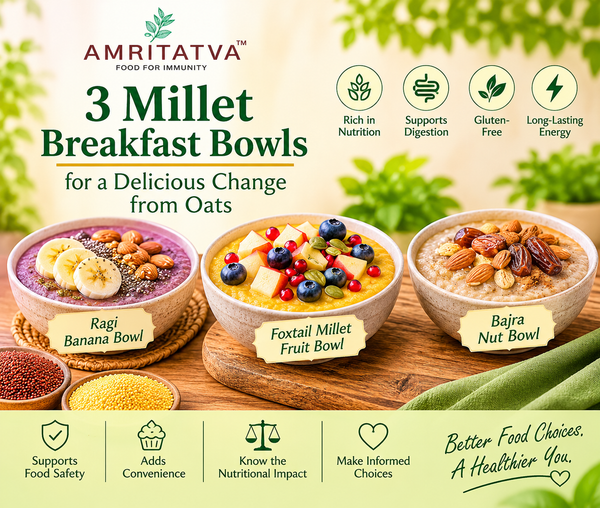
Rotate between options such as vegetable poha, millet porridge, fruit bowls, chilla or other balanced breakfasts.
Day 19 — Review hydration
Keep water accessible throughout the day. Adjust your intake according to your activity, climate and individual needs.
Day 20 — Find your practical favourites
Identify three breakfasts, three lunches and three dinners that are convenient, enjoyable and suitable for your household.
Day 21 — Review and plan ahead
Look back at the previous three weeks. Choose the habits you want to continue and decide how to fit them into your weekly routine.
Your Week 3 goal: Create a routine that works in real life, not just during a challenge.
6. How Can You Make Healthy Eating Easier on Busy Days?
A healthy eating routine should fit around work, family responsibilities and everyday schedules.
Here are some practical ways to make it easier:
| Common challenge | A practical solution |
|---|---|
| No time to cook | Keep basic meal ingredients ready |
| Skipping breakfast | Plan a simple breakfast the previous evening |
| Frequent packaged snacks | Keep fruit, nuts or roasted chickpeas accessible |
| Repeating the same meals | Rotate grains, pulses and vegetables |
| Confusion about packaged foods | Read ingredient lists and nutrition information |
| Ordering food frequently | Keep a few quick home-cooking options available |
You do not need to prepare elaborate meals every day. A simple meal containing grains, vegetables and a suitable protein source can be a practical choice.
7. How Should You Read Food Labels Before Buying Packaged Foods?
Reading labels helps you understand what a product contains and whether it suits your needs.
When shopping, check:
1. Ingredient list
Look at the ingredients and their order. Ingredients are generally listed in descending order by weight.
2. Nutrition information
Compare the nutritional values using the same serving size. Pay attention to energy, protein, total fat, saturated fat, carbohydrates, total sugars and sodium.
3. Added sugar
Check whether sugar or other sweetening ingredients are included and how much the product contains.
4. Allergen information
Look for declarations of allergens such as wheat, milk, soy, nuts and other ingredients relevant to your household.
5. Dietary claims
If you require vegan or gluten-free food, check the product's ingredient information and appropriate declarations. Do not assume a product is suitable simply because it looks natural or contains grains.
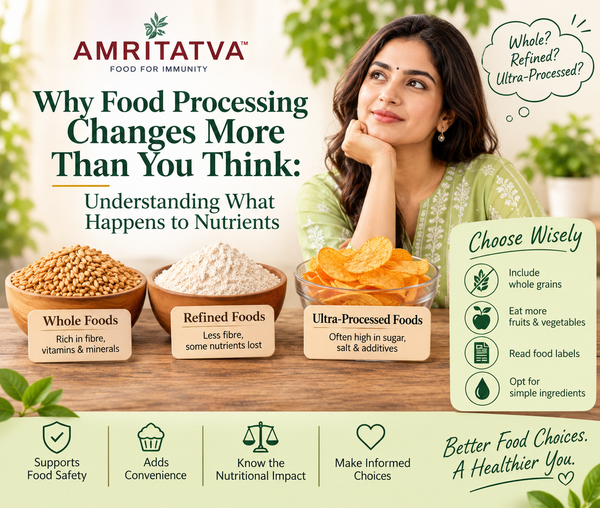
Remember, packaged foods are not automatically unhealthy. What matters is the product's composition, portion size and place in your overall diet.
8. How Do Hydration and Physical Activity Fit into a Healthy Routine?
Food choices are only one part of everyday well-being. Hydration, physical activity, sleep and regular routines also matter.
Hydration: Drink water regularly and pay attention to your needs, especially in hot weather or during physical activity. Individual requirements vary, so there is no single fixed amount suitable for everyone.
Movement: Include activities you enjoy, such as walking, cycling, stretching, dancing or playing a sport. Consistency is more important than choosing an activity that feels difficult to maintain.
Sleep: Try to maintain a regular sleep schedule. Adequate sleep supports overall health and can make daily routines easier to manage.
The objective is not to use exercise or hydration to compensate for food choices. These are complementary parts of a balanced lifestyle.
9. What Happens After the 21-Day Challenge?
This is where the real work begins.
Rather than expecting every new habit to become automatic, choose the changes that were most practical and continue repeating them.
You can:
-
Keep a simple weekly meal plan.
-
Continue adding different fruits and vegetables.
-
Rotate grains and pulses.
-
Read labels when trying new packaged foods.
-
Prepare a few ingredients in advance.
-
Allow flexibility for celebrations, travel and busy days.
-
Restart a routine after interruptions without feeling guilty.
Missing a day does not mean you have failed. Sustainable habits are built through repeated practice over time.
10. How Does Amritatva Encourage Practical Food Choices?
At Amritatva, we believe healthier eating should feel familiar, convenient and enjoyable.
Our approach focuses on thoughtful ingredients, transparency and food products that can fit into everyday Indian kitchens.
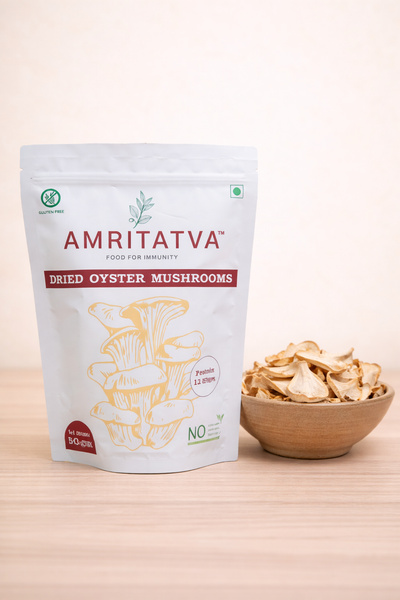
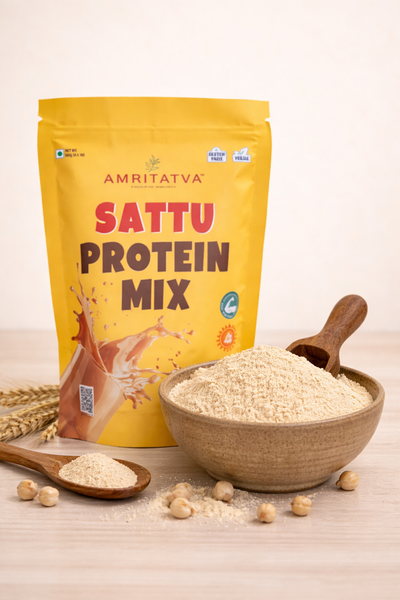
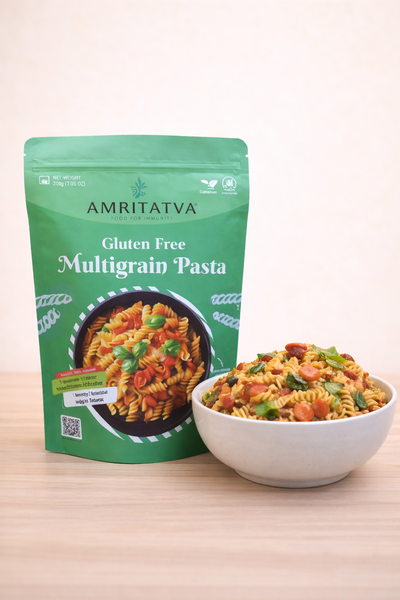
We work with ingredients such as mushrooms, millets and chickpeas to develop vegan and gluten-free food options. These ingredients can offer convenient ways to explore variety in everyday meals.
But we also believe that no single ingredient or product can replace a balanced diet. The most useful food choices are the ones that suit your needs, preferences and daily routine.
Our philosophy is simple: Food should be easy to understand, enjoyable to eat and practical to include in everyday life.
Frequently Asked Questions
1. Can I really build healthy eating habits in 21 days?
You can begin practising healthier eating behaviours in 21 days, but there is no guarantee that they will become permanent habits in that period. Research shows that habit formation varies widely between people and behaviours. Use a 21-day challenge as a starting point, then continue repeating the changes that work for you.
2. What is the first step towards clean eating?
Start by understanding your current eating routine. Then make one manageable change, such as adding a fruit, including vegetables in lunch or choosing a more varied breakfast. Gradual additions are often easier to maintain than trying to change your entire diet overnight.
3. Do I need to stop eating all packaged foods?
No. Packaged foods are not automatically unhealthy. Some provide convenience, food safety and useful nutrition. Read the ingredient list and nutrition information, compare similar products and consider serving sizes. Make choices based on the product's composition and your dietary requirements rather than packaging alone.
4. Is drinking more water enough to improve digestion and energy?
Water is essential for normal body functions, and adequate hydration is important for health. However, drinking more water than you need does not guarantee better digestion or increased energy. Hydration needs differ according to climate, activity, diet and individual circumstances.
5. How can working professionals maintain healthy eating habits?
Keep the routine simple. Plan a few meals in advance, prepare basic ingredients, carry convenient snacks if needed and keep water accessible. Choose practical meals that include grains, vegetables and protein sources. You do not need a complicated diet plan to make more informed food choices.
6. What should I eat during a 21-day healthy eating challenge?
Focus on variety rather than a restrictive menu. Include vegetables, fruits, whole grains, millets, pulses, nuts, seeds and suitable protein sources. Adjust food choices to your preferences, budget, allergies and dietary requirements. There is no single menu that works for everyone.
Final Thought
Healthy eating is not a 21-day competition. It is a series of everyday decisions that become easier with practice.
Use these three weeks to explore new ingredients, understand food labels, plan meals and discover what works for your lifestyle. Keep the changes that feel realistic and allow yourself time to develop them further.
Start small. Stay consistent. Make healthy choices part of everyday life.
References & Further Reading
-
ICMR–National Institute of Nutrition: Dietary Guidelines for Indians, 2024
-
Systematic Review and Meta-Analysis: Time to Form a Habit: A Systematic Review and Meta-Analysis of Health Behaviour Habit Formation and Its Determinants
-
Lally et al. (2010): How Are Habits Formed? Modelling Habit Formation in the Real World
-
FSSAI: Food Safety and Standards (Labelling and Display) Regulations

0 comments