

What Are FODMAPs and Should You Avoid Them?
Have you ever experienced bloating, gas, stomach cramps or discomfort after eating certain foods? You may have come across the term FODMAP while searching for digestive health solutions. FODMAPs are a group of short-chain carbohydrates found naturally in foods such as onions, garlic, wheat, certain fruits, legumes and milk. They are not unhealthy foods or ingredients that everyone needs to avoid. However, in some people—particularly those with Irritable Bowel Syndrome (IBS)—certain FODMAPs can contribute to digestive symptoms. Understanding how they work can help you make informed food choices without unnecessarily eliminating entire food groups.
What Does FODMAP Stand For?
FODMAP stands for:
-
F – Fermentable
-
O – Oligosaccharides
-
D – Disaccharides
-
M – Monosaccharides
-
A – And
-
P – Polyols
These are specific types of carbohydrates and sugar alcohols that may be incompletely absorbed in the small intestine.
When they reach the large intestine, they can draw water into the bowel and be fermented by gut bacteria. For some people, this can contribute to gas, bloating, abdominal discomfort and changes in bowel habits.
The degree of sensitivity differs between individuals. A food that triggers symptoms in one person may be comfortably tolerated by another.
Why Can FODMAPs Cause Digestive Discomfort?
FODMAPs are naturally present in many everyday foods. In sensitive individuals, their digestion and fermentation may contribute to symptoms.
Two main processes are involved:
1. Water movement: Some FODMAPs can draw water into the intestine, potentially affecting bowel movements.
2. Fermentation: Gut bacteria ferment certain carbohydrates, producing gas. For people with sensitive intestines, the resulting gas and changes in intestinal contents can trigger discomfort, bloating or pain.
People with IBS may be more sensitive to these effects. This doesn't mean that FODMAP-containing foods are inherently harmful or that everyone experiences the same response.
The American College of Gastroenterology explains that FODMAPs may worsen symptoms in people with sensitive digestive systems but are not inherently unhealthy or harmful.
Which Foods Contain FODMAPs?
FODMAPs occur naturally in a wide range of foods. The specific FODMAP type and amount vary between foods, serving sizes and preparations.
| FODMAP group | Common examples | Why some people may experience symptoms |
|---|---|---|
| Fructans | Wheat, onion, garlic | May ferment in the gut and contribute to gas |
| Galacto-oligosaccharides (GOS) | Beans, chickpeas, lentils | May be fermented by gut bacteria |
| Lactose | Milk, some dairy products | May cause symptoms when lactose is poorly digested |
| Excess fructose | Certain fruits, honey | May be incompletely absorbed in some individuals |
| Polyols | Sorbitol and mannitol in certain fruits, vegetables and sweeteners | May draw water into the intestine and ferment |
These are examples, not a universal avoid-list. Food tolerance can depend on the amount eaten, individual sensitivity and the overall meal.
Should Everyone Avoid FODMAPs?
No. Most people do not need to follow a low-FODMAP diet.
FODMAPs occur in foods that can provide fibre, vitamins, minerals and other useful nutrients. Many of these foods are part of balanced diets and traditional eating patterns.
A low-FODMAP approach is mainly used as a dietary strategy for people with IBS who experience digestive symptoms associated with food intake. It is not intended as a general weight-loss diet, detox plan or routine diet for people without digestive symptoms.
If you experience persistent bloating, abdominal pain, diarrhoea, constipation or changes in bowel habits, consult a healthcare professional before assuming FODMAPs are the cause. Similar symptoms can occur with other medical conditions.
What Is the Low-FODMAP Diet?
The low-FODMAP diet is a structured dietary approach developed to help people with IBS identify foods or carbohydrate groups that may trigger symptoms.
Research suggests it can help many people with IBS manage symptoms. Monash University reports that symptom improvement occurs in up to three out of four people who follow the approach, although individual responses vary and it does not work for everyone.
Importantly, it is not meant to be followed as a strict diet forever.
What Are the Three Phases of a Low-FODMAP Diet?
The approach has three phases:
| Phase | What happens | Purpose |
|---|---|---|
| 1. Short-term restriction | High-FODMAP foods are temporarily replaced with lower-FODMAP alternatives, generally for 2–6 weeks | Assess whether symptoms improve |
| 2. Reintroduction | Individual FODMAP groups are systematically tested | Identify specific triggers and tolerance levels |
| 3. Personalisation | Foods that are tolerated are brought back into the diet | Create a varied and sustainable long-term diet |
If symptoms do not improve during the initial phase, continued restriction may not be useful. The next steps should be discussed with a healthcare professional.
The goal is not to keep removing foods. The goal is to identify individual tolerance and restore as much dietary variety as possible.
Why Should You Not Follow a Low-FODMAP Diet Long-Term Without Guidance?
Restricting too many foods can make meals unnecessarily complicated and reduce dietary variety.
A strict low-FODMAP diet may reduce intake of some fibres and prebiotic carbohydrates found in foods such as legumes, fruits and vegetables. These carbohydrates can be useful components of a balanced diet.
Long-term restriction without reintroduction may:
-
Unnecessarily limit food variety
-
Make everyday meals and social eating more difficult
-
Reduce intake of certain nutrients or fibres
-
Make it harder to maintain a balanced diet
-
Encourage food fear or excessive restriction
This is why a low-FODMAP diet is best undertaken with guidance from a dietitian experienced in IBS and digestive nutrition.
How Can You Approach Digestive Wellness in Indian Kitchens?
Indian meals include a wide variety of ingredients, and not all of them need to be removed simply because they contain FODMAPs.
If you have IBS symptoms, a registered dietitian can help you adapt familiar meals according to your individual tolerance, dietary requirements and nutritional needs.
Depending on your assessment and the phase of your diet, practical meal ideas may include:
-
Rice with suitable vegetables and a protein source
-
Simple vegetable preparations with ingredients you tolerate
-
Appropriate portions of fruits selected according to your tolerance
-
Suitable lentils or legumes, adjusted according to individual tolerance and preparation
-
Homemade meals with seasoning adjusted to your personal trigger foods
Onions and garlic are common in Indian cooking and can be important flavour ingredients. If they trigger symptoms, a dietitian can help you explore suitable alternatives for the relevant phase rather than removing flavour and variety from every meal.
Food tolerance is individual, and portions and preparation matter. A generic internet list should not replace a personalised plan.
How Does AMRITATVA Fit Into the Gut Health Conversation?
At AMRITATVA, we believe food education should help consumers understand ingredients rather than fear them.
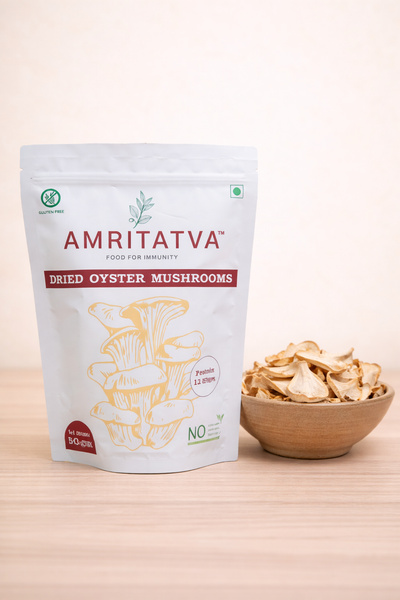
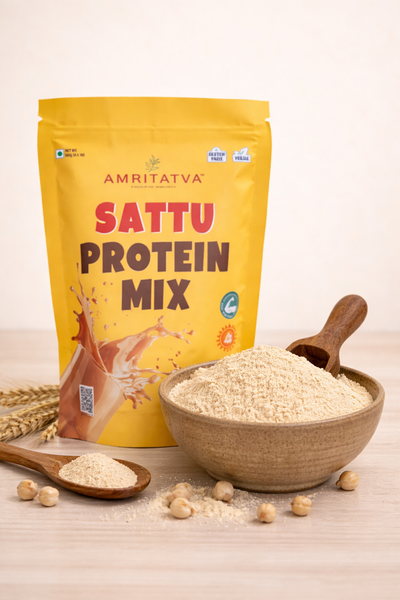
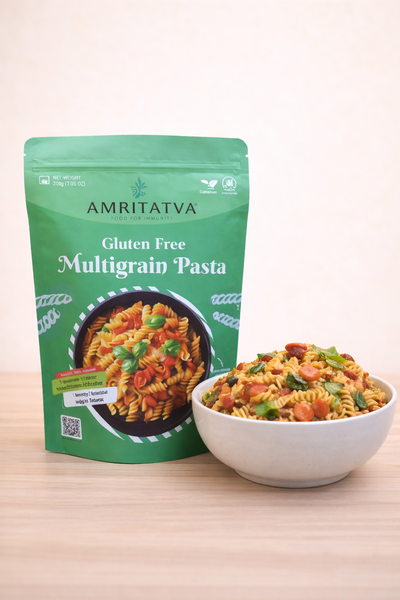
Our products include Oyster Mushroom Powder, dried Oyster and Shiitake Mushrooms, Gluten-Free Pasta, Gluten-Free Noodles, Sattu Protein Mix and seasonings.
However, vegan, gluten-free or clean-label does not automatically mean low-FODMAP. A product's suitability depends on its complete ingredient list, portion size and individual tolerance. Our products should not be represented as low-FODMAP certified or suitable for an IBS elimination phase unless the specific product has been properly evaluated.
We believe honest food communication is just as important as thoughtful food choices. Understanding what is in your food—and how your body responds—is more useful than following blanket food restrictions.
Explore AMRITATVA at www.amritatva.com.
Frequently Asked Questions
1. Are FODMAPs bad for gut health?
No. FODMAPs are not inherently bad. They occur naturally in many nutritious foods and include carbohydrates that can be fermented by gut bacteria. Some people with IBS are sensitive to the effects of particular FODMAPs, while others tolerate them without discomfort. Avoiding all FODMAPs is unnecessary for most people.
2. Who should consider a low-FODMAP diet?
The low-FODMAP diet is primarily used for people diagnosed with IBS who experience symptoms such as bloating, abdominal pain and changes in bowel habits. It should not be started simply because someone has occasional bloating. A healthcare professional can assess symptoms, rule out other conditions and determine whether this approach is appropriate.
3. Is a low-FODMAP diet gluten-free?
No. A low-FODMAP diet and a gluten-free diet are different. Wheat contains gluten and also contains fructans, which are FODMAPs. Reducing fructans is not the same as eliminating gluten. People with celiac disease must follow a medically appropriate gluten-free diet regardless of FODMAP content.
4. Can I follow a low-FODMAP diet permanently?
A strict low-FODMAP elimination phase is not intended to be permanent. After a short initial phase, foods and FODMAP groups should be systematically reintroduced to determine personal tolerance. The long-term goal is to eat as varied a diet as possible while managing symptoms, ideally with guidance from a qualified dietitian.
5. Are onions, garlic and lentils always unsuitable for IBS?
No. Tolerance varies from person to person and may also depend on serving size and preparation. These foods can contain FODMAPs, but they do not need to be permanently avoided by everyone with IBS. A structured reintroduction process helps identify which foods and quantities are tolerated.
6. Can a low-FODMAP diet cure IBS?
No. A low-FODMAP diet is a symptom-management approach, not a cure for IBS. It may help some people reduce symptoms and improve quality of life, but it does not work for everyone. IBS management may also include other dietary strategies, medical treatments, stress management and lifestyle adjustments.
Understand Your Gut—Don't Fear Your Food
FODMAPs are part of many foods we eat every day. While some may trigger digestive symptoms in people with IBS, avoiding them all is neither necessary nor ideal for most people.
The more useful approach is understanding your symptoms, getting the right assessment, identifying individual triggers and maintaining food variety wherever possible.
Healthy eating isn't about eliminating everything. It's about understanding what works for your body.



0 comments