

Food choices are changing.
Consumers are increasingly looking beyond taste and price when deciding what to bring into their kitchens. They are reading labels, asking questions about ingredients and looking for foods that fit more naturally into their everyday routines.
This shift is part of the growing interest in functional foods—foods that are valued not only for basic nourishment, but also for particular nutritional qualities or useful ingredients.
But there is an important distinction.
A food does not become “functional” simply because a package uses wellness language. For today's consumer, trust matters just as much as the promise.
What are consumers actually looking for?
Many shoppers want a combination of four things:
Recognisable ingredients.
People increasingly want to understand what is inside the food they buy.
Practical nutrition.
Consumers are looking for foods that can fit into breakfast, lunch, snacks and family meals without requiring major changes to their routine.
Convenience.
Even a nutritious ingredient may not get used regularly if it is difficult to prepare.
Trust.
Clear labelling, credible product information and transparent communication matter.
This is especially relevant in a market where wellness terminology is everywhere.
Why are functional foods gaining attention?
The idea of choosing food with a specific nutritional purpose is not new.
Indian food traditions have always included ingredients such as millets, pulses, spices, mushrooms, nuts, seeds and fermented foods.
What is changing is the way consumers talk about these foods.
Instead of only asking, “Does this taste good?”, shoppers are also asking:
What is in it?
How does it fit into my routine?
Is this ingredient familiar?
Can I use it easily?
These questions are reshaping the food marketplace.
Are functional foods the same as supplements?
No.
A food remains food.
A product can contain useful nutrients or bioactive compounds, but that does not make it a medicine.
This distinction matters because consumers are becoming more careful about exaggerated health promises.
The more responsible approach is to explain what an ingredient is, what it contains and how it can be used—without turning every food into a cure.
What does a clean-label consumer want?
“Clean label” can mean different things to different people, but the basic expectation is straightforward:
Clarity.
Consumers want ingredient lists they can understand.
They want to know whether a product contains wheat, dairy, artificial colours, added flavours, preservatives or other ingredients relevant to their preferences.
They also want nutrition information that helps them make comparisons.
This is why packaging and communication have become part of the food experience itself.
How is Indian food culture shaping this movement?
India already has a large vocabulary of functional ingredients.
Consider the variety found in everyday Indian kitchens:
- Millets
- Dal
- Chana
- Sattu
- Mushrooms
- Turmeric
- Ginger
- Seeds
- Fermented foods
These are not new inventions.
What is new is the way modern consumers are rediscovering and repackaging some of them for contemporary lifestyles.
Can traditional foods become modern functional foods?
Yes—but thoughtfully.
A traditional ingredient does not become better simply because it is placed in modern packaging.
The value comes from the ingredient, its preparation, the overall recipe and how it fits into a balanced diet.
For example, sattu can move from a traditional drink into smoothies and modern breakfast recipes. Mushrooms can move from curries into soups, powders, pasta and noodles.
The ingredient remains familiar while the format changes.
What should brands avoid when talking about functional foods?
This may be the most important question.
Brands should avoid making food sound like medicine.
Instead of saying:
“This food will fix your digestion.”
it is more responsible to say:
“This ingredient can be used as part of a varied diet.”
Instead of:
“A daily immunity boost.”
talk about what the product actually contains and how it is used.
The future of functional foods will depend not only on innovation, but also on credibility.
What does this mean for Amritatva?
For Amritatva, the functional-food movement is especially interesting because many of the ingredients we work with are already familiar in Indian food culture.
The opportunity is not to make traditional foods sound mysterious.
It is to make them easier to understand and easier to use.
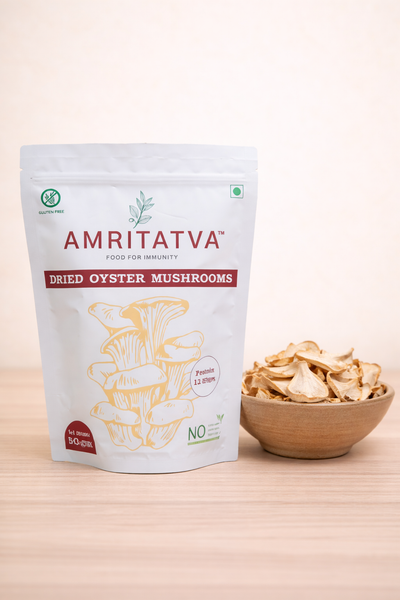
A mushroom powder can become a simple cooking ingredient.
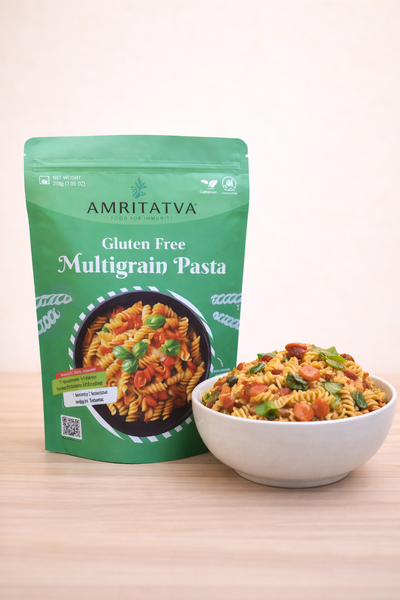
A millet noodle can become an everyday lunch option.
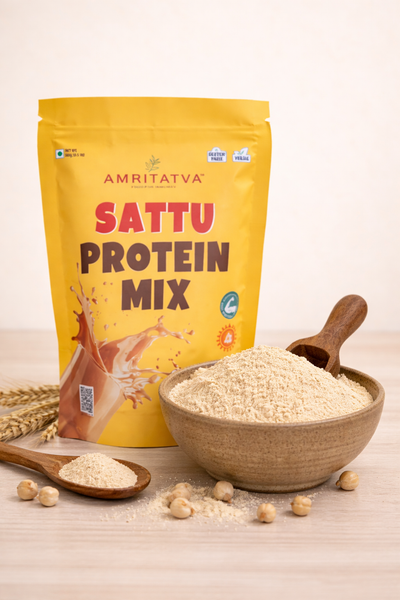
A sattu mix can become a quick breakfast.
That is where function becomes practical.
Frequently Asked Questions
What are functional foods?
Functional foods are foods that are valued for nutritional components beyond simply providing calories. They may naturally contain nutrients or other compounds that make them especially interesting from a nutrition perspective. However, functional foods should still be considered part of a varied diet rather than replacements for medical treatment.
Why are people interested in functional foods?
Consumers are increasingly interested in ingredient transparency, convenience and food choices that fit their lifestyle. Functional foods appeal because they can combine familiar eating with a more intentional approach to nutrition.
Are functional foods healthier than regular foods?
Not automatically. The nutritional value of any food depends on its ingredients, preparation and how it fits into the overall diet. A functional-food label should not replace reading the nutrition information and ingredient list.
Are traditional Indian foods functional foods?
Some traditional Indian foods contain nutrients or compounds that make them relevant to modern functional-food conversations. However, traditional does not automatically mean healthier. Each food still needs to be considered on its own nutritional qualities and context.
Food with purpose—but also with honesty
Consumers are asking better questions.
They want convenience, but they also want clarity. They want innovation, but they also want familiarity.
The strongest functional-food brands will not be the ones making the biggest promises. They will be the ones explaining their ingredients clearly and helping people understand how those foods can fit into real life.
At Amritatva, that is the approach we want to keep exploring.
Real ingredients. Clear information. Food that fits everyday life.
Food choices are changing.
Consumers are increasingly looking beyond taste and price when deciding what to bring into their kitchens. They are reading labels, asking questions about ingredients and looking for foods that fit more naturally into their everyday routines.
This shift is part of the growing interest in functional foods—foods that are valued not only for basic nourishment, but also for particular nutritional qualities or useful ingredients.
But there is an important distinction.
A food does not become “functional” simply because a package uses wellness language. For today's consumer, trust matters just as much as the promise.
What are consumers actually looking for?
Many shoppers want a combination of four things:
Recognisable ingredients.
People increasingly want to understand what is inside the food they buy.
Practical nutrition.
Consumers are looking for foods that can fit into breakfast, lunch, snacks and family meals without requiring major changes to their routine.
Convenience.
Even a nutritious ingredient may not get used regularly if it is difficult to prepare.
Trust.
Clear labelling, credible product information and transparent communication matter.
This is especially relevant in a market where wellness terminology is everywhere.
Why are functional foods gaining attention?
The idea of choosing food with a specific nutritional purpose is not new.
Indian food traditions have always included ingredients such as millets, pulses, spices, mushrooms, nuts, seeds and fermented foods.
What is changing is the way consumers talk about these foods.
Instead of only asking, “Does this taste good?”, shoppers are also asking:
What is in it?
How does it fit into my routine?
Is this ingredient familiar?
Can I use it easily?
These questions are reshaping the food marketplace.
Are functional foods the same as supplements?
No.
A food remains food.
A product can contain useful nutrients or bioactive compounds, but that does not make it a medicine.
This distinction matters because consumers are becoming more careful about exaggerated health promises.
The more responsible approach is to explain what an ingredient is, what it contains and how it can be used—without turning every food into a cure.
What does a clean-label consumer want?
“Clean label” can mean different things to different people, but the basic expectation is straightforward:
Clarity.
Consumers want ingredient lists they can understand.
They want to know whether a product contains wheat, dairy, artificial colours, added flavours, preservatives or other ingredients relevant to their preferences.
They also want nutrition information that helps them make comparisons.
This is why packaging and communication have become part of the food experience itself.
How is Indian food culture shaping this movement?
India already has a large vocabulary of functional ingredients.
Consider the variety found in everyday Indian kitchens:
- Millets
- Dal
- Chana
- Sattu
- Mushrooms
- Turmeric
- Ginger
- Seeds
- Fermented foods
These are not new inventions.
What is new is the way modern consumers are rediscovering and repackaging some of them for contemporary lifestyles.
Can traditional foods become modern functional foods?
Yes—but thoughtfully.
A traditional ingredient does not become better simply because it is placed in modern packaging.
The value comes from the ingredient, its preparation, the overall recipe and how it fits into a balanced diet.
For example, sattu can move from a traditional drink into smoothies and modern breakfast recipes. Mushrooms can move from curries into soups, powders, pasta and noodles.
The ingredient remains familiar while the format changes.
What should brands avoid when talking about functional foods?
This may be the most important question.
Brands should avoid making food sound like medicine.
Instead of saying:
“This food will fix your digestion.”
it is more responsible to say:
“This ingredient can be used as part of a varied diet.”
Instead of:
“A daily immunity boost.”
talk about what the product actually contains and how it is used.
The future of functional foods will depend not only on innovation, but also on credibility.
What does this mean for Amritatva?
For Amritatva, the functional-food movement is especially interesting because many of the ingredients we work with are already familiar in Indian food culture.
The opportunity is not to make traditional foods sound mysterious.
It is to make them easier to understand and easier to use.
A mushroom powder can become a simple cooking ingredient.
A millet noodle can become an everyday lunch option.
A sattu mix can become a quick breakfast.
That is where function becomes practical.
Frequently Asked Questions
What are functional foods?
Functional foods are foods that are valued for nutritional components beyond simply providing calories. They may naturally contain nutrients or other compounds that make them especially interesting from a nutrition perspective. However, functional foods should still be considered part of a varied diet rather than replacements for medical treatment.
Why are people interested in functional foods?
Consumers are increasingly interested in ingredient transparency, convenience and food choices that fit their lifestyle. Functional foods appeal because they can combine familiar eating with a more intentional approach to nutrition.
Are functional foods healthier than regular foods?
Not automatically. The nutritional value of any food depends on its ingredients, preparation and how it fits into the overall diet. A functional-food label should not replace reading the nutrition information and ingredient list.
Are traditional Indian foods functional foods?
Some traditional Indian foods contain nutrients or compounds that make them relevant to modern functional-food conversations. However, traditional does not automatically mean healthier. Each food still needs to be considered on its own nutritional qualities and context.
Food with purpose—but also with honesty
Consumers are asking better questions.
They want convenience, but they also want clarity. They want innovation, but they also want familiarity.
The strongest functional-food brands will not be the ones making the biggest promises. They will be the ones explaining their ingredients clearly and helping people understand how those foods can fit into real life.
At Amritatva, that is the approach we want to keep exploring.
Real ingredients. Clear information. Food that fits everyday life.
0 comments