

Why are people looking at food beyond taste?
Food is one of life's everyday pleasures, but it also provides the energy and nutrients our bodies need to function. Increasingly, conversations about food include more than flavour and convenience. People are asking questions about ingredients, nutritional value, food quality, sustainability and how everyday meals fit into their routines.
This interest sits alongside a broader nutrition challenge. The World Health Organization (WHO) notes that changing lifestyles and food systems have contributed to dietary patterns with more highly processed foods, while many people still do not consume enough fruits, vegetables and dietary fibre. WHO recommends building healthy diets around four principles: adequacy, balance, moderation and diversity. <Cite refs={["turn124002search0","turn124002search2"]} />
For Indian households, this does not mean abandoning favourite foods or following every new wellness trend. It means making informed choices that combine taste, practicality and nutritional variety.
How is the way we think about food changing?
Food choices are shaped by much more than hunger. Time, budget, family preferences, cultural traditions, availability and convenience all influence what people eat.
At the same time, food conversations increasingly include topics such as ingredient transparency, plant-based eating, whole grains, mindful eating and sustainable food systems. These are useful areas to explore, but a trend becoming popular does not automatically make it healthier or suitable for everyone.
A better question is: Does this food choice fit my nutritional needs, preferences and everyday routine?
For example, someone working long hours may prioritise convenient meals. A parent may look for food that the entire family enjoys. An active person may pay closer attention to meal timing and protein intake. These needs can differ, even within the same household.
Food decisions work best when they respond to real needs rather than pressure from social media or marketing.
Does food really affect our energy and daily performance?
Yes, food provides the energy needed for physical activity and normal body functions. However, no single ingredient or meal guarantees better concentration, productivity or sustained energy.
The amount and type of food consumed, the balance of the overall diet, physical activity, sleep and individual health all matter.
Carbohydrates are an important energy source. WHO recommends obtaining them primarily from whole grains, vegetables, fruits and pulses. Protein and fats also have essential roles in a balanced diet. <Cite refs={["turn124002search0","turn124002search6"]} />
Consider two everyday breakfast options:
- A meal made primarily from refined flour with a sugary drink.
- A meal combining poha or millet with vegetables, peanuts or another suitable protein source, alongside fruit or curd if desired.
Both can provide energy, but their overall nutrient composition may differ. The second option can offer more variety and fibre, depending on the ingredients and portions used.
The lesson is not that one breakfast is universally good and another is always bad. It is that the complete meal matters more than a single ingredient or a health claim on the packet.
What do clean-label and functional-food conversations actually mean?
Terms such as clean label, functional food and better-for-you food appear frequently in modern food conversations. However, these terms can mean different things to different brands and consumers.
Clean-label thinking often involves looking for understandable ingredient lists and greater transparency about what a product contains. Reading labels can help consumers compare ingredients, allergens, added sugars, sodium and other relevant information.
Functional-food conversations focus on foods or ingredients promoted for particular nutritional purposes. Some products may provide useful nutrients, but specific claims still require evidence. A food should not be assumed to prevent disease, improve immunity or enhance performance simply because it contains a fashionable ingredient.
Here is a practical way to interpret common food descriptions:
| Food term | What to look for | What not to assume |
|---|---|---|
| Whole grain | The grain used and how the product is made | That every whole-grain product has the same nutritional profile |
| Plant-based | The actual plant ingredients and nutrient composition | That the product is automatically balanced or high in protein |
| Gluten-free | Suitability for people who need to avoid gluten and appropriate ingredient controls | That gluten-free automatically means healthier |
| High protein | The declared protein quantity per serving or 100 g | That protein alone makes a meal complete |
| Clean label | A clear, understandable ingredient list | That the product is automatically free from all additives or healthier |
The most useful habit is to look beyond the front of a package and understand the product as a whole.
Are traditional Indian food habits still relevant today?
Absolutely. Indian food traditions offer many practical ways to build variety into everyday meals.
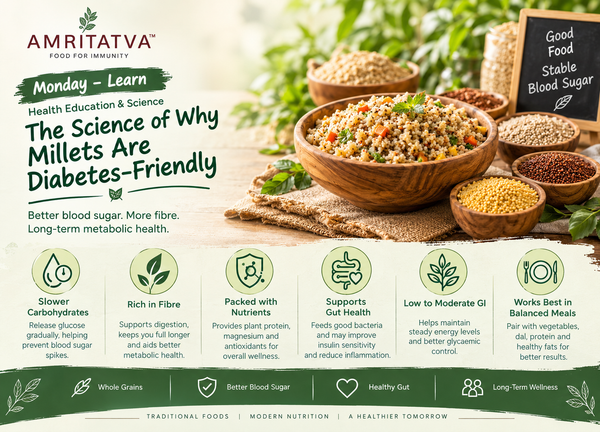
Dal, chana, rajma, seasonal vegetables, rice, millets, whole-wheat roti, curd, nuts, seeds and regional preparations can all contribute to different dietary patterns. The exact combination will depend on personal preferences, nutritional requirements, budget and cultural practices.
WHO recognises millets, wheat, oats and brown rice among whole-grain choices and recommends a diverse diet that includes vegetables, fruits and pulses. <Cite refs={["turn124002search0","turn124002search6"]} />
Traditional eating does not need to be romanticised, either. Every traditional dish is not automatically nutritionally balanced, and modern convenience foods are not all identical. Ingredients, preparation, portion sizes and the overall pattern of eating matter.
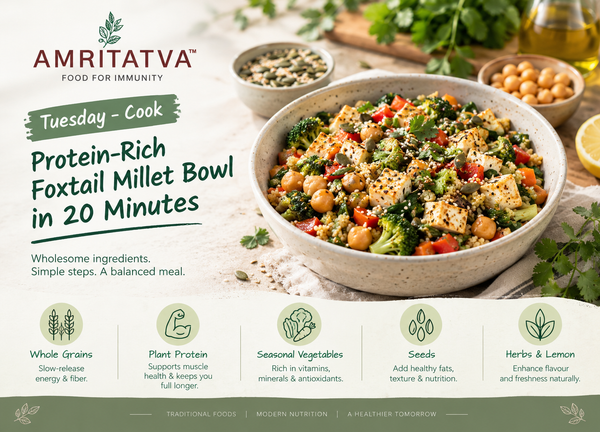
For instance, a millet dish prepared with vegetables and pulses can be one useful meal option. A familiar dal-roti-sabzi meal can also be a practical choice. There is no need to make every meal look like a wellness trend on social media.
How can you build a balanced eating routine in an Indian kitchen?
Start with habits that are easy to repeat rather than a complete lifestyle overhaul.
1. Build variety into your meals. Rotate grains, pulses, vegetables and other protein sources instead of relying on one supposedly superior ingredient.
2. Include a suitable protein source. Depending on your diet, this may be dal, chickpeas, rajma, soy foods, tofu, paneer, curd, eggs or other options.
3. Make vegetables a regular part of meals. Use seasonal and locally available produce where practical. Fresh, frozen or appropriately prepared vegetables can all contribute to variety.
4. Read packaged-food labels. Check ingredients, allergens, serving sizes, added sugars and sodium when comparing similar products.
5. Keep convenience in perspective. Ready-to-cook or packaged foods can fit into a balanced routine. Their suitability depends on their ingredients, nutritional composition and how often they are consumed.
6. Keep enjoyment in the picture. Food should be satisfying and culturally familiar, not a constant source of rules and restrictions.
The objective is not perfection. It is a pattern of eating that is nutritionally adequate, varied and realistic for your household.
How can you apply mindful eating to everyday Indian meals?
Mindful eating does not require expensive products, special equipment or a complicated routine. It can begin with small decisions.
At breakfast, you might choose vegetable poha with peanuts, idli with sambar or a millet-based preparation. For lunch, a combination of roti or rice, dal, vegetables and a suitable accompaniment can provide variety. At dinner, khichdi with vegetables, dal-rice or another familiar home-cooked meal may work well.
You can also pay attention to your eating environment. Sitting down for meals when possible, reducing distractions occasionally and noticing hunger and fullness cues may help you become more aware of your habits.
Mindful eating is not a substitute for medical nutrition advice when a person has a specific health condition. It is simply one way to approach everyday food decisions more deliberately.
What role does sustainability play in global food conversations?
Food choices are also connected to the wider food system: how ingredients are grown, processed, transported, stored and made available to consumers.
The Food and Agriculture Organization of the United Nations (FAO) highlights the connections between nutrition, food systems and the use of natural resources. It also emphasises that improving diets involves more than individual choices; food availability, affordability, production and distribution matter too. <Cite refs={["turn124002search1","turn124002search3"]} />
At a household level, practical steps might include using seasonal ingredients, planning meals, storing food correctly and finding ways to reduce avoidable food waste.
These choices do not need to be presented as a perfect lifestyle or a universal solution. They are small, realistic ways to consider food beyond taste alone.
How does Amritatva approach modern food choices?
At Amritatva, we believe food should be practical, enjoyable and transparent about what it offers.
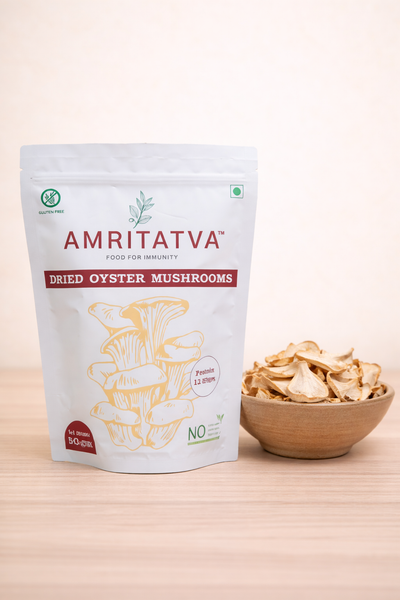
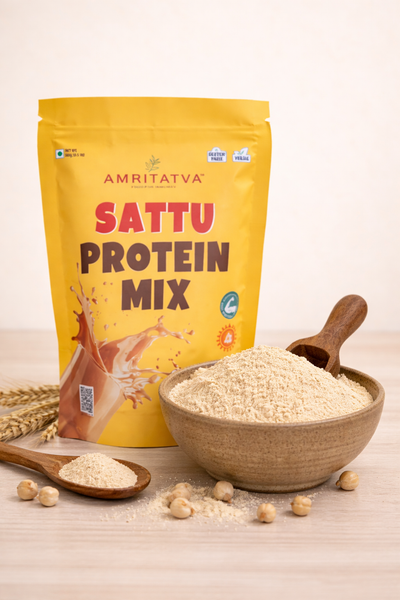
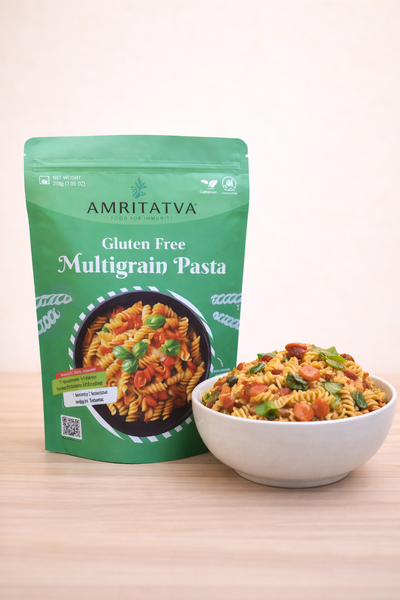
Our focus on millet-based foods, mushroom products, gluten-free pasta and noodles, seasonings and sattu reflects an interest in making different ingredients useful in everyday Indian cooking. These products are options to consider within a varied diet, not substitutes for the diversity that a balanced eating pattern requires.
We believe that conversations about food should be honest about ingredients, nutritional value and limitations. No single product can deliver every benefit, and no one ingredient needs to carry the burden of an entire healthy lifestyle.
The more useful goal is to help people make informed choices that suit their families, preferences and routines.
What should we remember about food and lifestyle?
Food can be enjoyable, culturally meaningful, convenient and nourishing at the same time. Taste matters, but so do variety, nutritional adequacy, affordability, safety and personal needs.
Rather than chasing every new food trend, start with the everyday choices that are within reach: varied meals, familiar ingredients, thoughtful label reading and practical preparation.
A better relationship with food does not begin with strict rules. It begins with understanding what we eat and making choices we can sustain.
FAQs
Is food only a source of energy?
No. Food provides energy as well as essential nutrients, including protein, fats, carbohydrates, vitamins, minerals and fibre. These nutrients have different roles in normal body functions, growth and maintenance. Food also has cultural, social and emotional significance. A useful approach considers nutrition alongside enjoyment, accessibility, food safety and the role meals play in everyday life.
What is the difference between mindful eating and dieting?
Mindful eating focuses on paying attention to food choices, the eating experience and hunger or fullness cues. Dieting can refer to many different eating patterns, including medically recommended diets and weight-management plans. Mindful eating does not require restricting particular foods or following strict rules. It can complement a balanced eating pattern, but it is not a replacement for individual medical or nutritional advice when needed.
Are traditional Indian foods healthier than modern packaged foods?
Not automatically. Traditional meals can provide variety through grains, pulses, vegetables and other ingredients, while packaged foods vary considerably in their nutritional composition. A fair comparison considers ingredients, portions, preparation, food safety and the overall dietary pattern. Some packaged foods can offer convenience, while some traditional preparations may contain substantial amounts of salt, sugar or fat. Neither category should be judged by its label alone.
Does clean-label food always mean healthy food?
No. “Clean label” is used in different ways and does not guarantee a particular nutritional profile. A product with a short ingredient list may still be high in sodium, added sugars or saturated fat, while a product with more ingredients may provide useful nutrients. Read the nutrition information, ingredients, allergens and serving size, and compare products according to your needs rather than relying on a marketing phrase.
How can working families make better food choices with limited time?
Plan a few repeatable meals using ingredients that are easy to store and prepare. Cook pulses in batches where practical, keep seasonal vegetables available, rotate grains and prepare simple combinations such as dal-rice, vegetable khichdi or roti with dal and sabzi. Packaged foods can also help with convenience; compare their ingredients and nutrition information. The aim is to make varied meals easier, not to cook everything from scratch every day.
Are gluten-free and plant-based foods automatically healthier?
No. Gluten-free foods are essential for people who need to avoid gluten, but the claim alone does not establish overall nutritional quality. Similarly, plant-based products vary in protein, fibre, sodium, sugars and fats. Choose products based on ingredients, nutritional composition, dietary needs and food safety. A balanced diet can include a range of suitable foods rather than depending on a single dietary label.
0 comments