

How to Make a 100-Calorie Protein Smoothie at Home
A homemade protein smoothie can be quick to prepare, easy to customise and useful when you want a small snack with a measured calorie content. To make one close to 100 calories, use a measured portion of unsweetened almond milk, a little banana, protein powder and a very small amount of chia seeds, then blend with ice. The final calories and protein depend on the brands and exact quantities you use, so check the nutrition labels rather than assuming every smoothie has the same values.
There is one important distinction: a smoothie containing around 100 calories is a light mini smoothie, not necessarily a complete post-workout recovery drink. If you need more protein or energy after exercise, you may need a larger serving or a balanced meal. Mindful nutrition is about matching your food to your needs—not choosing the lowest calorie number every time.
What Ingredients Do You Need for a 100-Calorie Protein Smoothie?
For one small serving, start with these measured ingredients.
| Ingredient | Quantity | Approximate calories |
|---|---|---|
| Unsweetened almond milk | 100 ml | 13–15 kcal |
| Banana | 20 g | 18 kcal |
| Protein powder | 15 g | 55–65 kcal |
| Chia seeds | 1 g | 5 kcal |
| Ice cubes | As needed | 0 kcal |
| Estimated total | One small serving | 91–103 kcal |
These are illustrative estimates, not verified values for a particular brand. Your smoothie may fall outside this range depending on the almond milk and protein powder you use. The protein powder contributes most of the protein, while the banana adds sweetness and the chia seeds contribute a small amount of fibre and fat.
For a more accurate calorie count: check each product's nutrition panel, weigh the ingredients and add their calories together. If you use a protein powder that provides 60 calories per 15 g, for example, calculate the rest of the ingredients using their own nutrition information.
How Do You Make the Smoothie at Home?
You do not need a complicated recipe or special equipment beyond a blender.
-
Pour 100 ml of unsweetened almond milk into the blender.
-
Add 20 g of peeled banana.
-
Measure 15 g of your chosen protein powder and add it.
-
Add approximately 1 g of chia seeds.
-
Add a few ice cubes and blend until smooth.
-
Check the texture. Add a little water if needed, remembering that any additional ingredients can change the nutritional calculation.
-
Serve immediately.
This makes a small drink. If the texture is too thick, adding water is a simple way to loosen it without materially increasing the calorie count. If you prefer a larger or creamier smoothie, you can increase the liquid, fruit or protein powder—but recalculate the nutrition.
How Much Protein Does a 100-Calorie Smoothie Provide?
The word protein in a recipe title does not tell you how much protein the finished drink contains. The quantity depends mainly on the protein powder and its composition, with smaller contributions from the other ingredients.
For example, if your chosen powder supplies 12 g of protein in a 15 g serving, the smoothie will provide at least that amount from the powder, plus small contributions from the almond milk, banana and chia seeds. If your powder supplies less protein per serving, the total will be lower.
| Your goal | What to consider |
|---|---|
| A small snack | A mini smoothie may suit you if it fits your appetite and overall eating pattern |
| More protein | Check the protein content per gram of powder and consider an appropriate larger portion |
| Post-workout recovery | Consider your total protein intake, training demands and whether you also need carbohydrates and fluids |
| A more filling drink | Increase the portion or pair the smoothie with food that meets your needs |
Sports-nutrition guidance commonly discusses larger protein servings for active people than this mini recipe may provide. The appropriate amount depends on the person, their activity and their overall diet. A roughly 100-calorie smoothie should not be promoted as a complete recovery solution for everyone.
Is a 100-Calorie Smoothie Always the Healthiest Choice?
No. Calories are one part of nutrition, not a complete measure of food quality. A lower-calorie drink may suit someone looking for a small snack, but it may not provide enough energy or protein for someone who is hungry after exercise or needs a more substantial meal.
A useful way to think about smoothies is to consider their purpose. Are you having one as a light snack, part of breakfast, or after a demanding workout? Your answer helps determine the ingredients and serving size.
Avoid judging a smoothie only by its calorie count. Look at the protein, carbohydrate, fat and fibre it provides, as well as the rest of your meals. Also remember that adding nut butter, dates, extra banana, oats or a larger serving of protein powder changes the total.
How Can You Customise Your Smoothie Without Losing Track of Calories?
Small changes can alter the taste and nutrition. Make one change at a time, measure it and update your calculation.
Can you add cinnamon or cocoa?
A small pinch of cinnamon can add flavour without requiring added sugar. Unsweetened cocoa can provide a chocolate flavour, but even small additions contribute some calories. Measure it if you are aiming for a specific total.
Can you use berries instead of banana?
Yes. Berries can provide a different flavour and texture. The calories depend on the type and quantity, so substitute by weight and recalculate rather than assuming the total will remain the same.
Can you add spinach?
A small handful of spinach can be blended into a smoothie. It changes the flavour and adds some nutrients, although the exact amount depends on the quantity used. Wash fresh produce appropriately before blending.
Can you use regular milk instead of almond milk?
Yes, if it suits your dietary needs. However, regular milk has a different calorie and protein profile from unsweetened almond milk, so the total will change. Soy milk is another option and may provide more protein than many almond milk products; compare the labels before choosing.
How Can You Make Protein Smoothies Fit an Indian Routine?
A smoothie can be convenient, but it does not need to replace familiar Indian meals or become a daily rule.
-
For a busy morning: Prepare your measured ingredients in advance, then blend when needed. Pair the mini smoothie with breakfast if it does not satisfy your hunger.
-
After a workout: Consider whether you need a more substantial drink or a meal that includes protein and carbohydrates. Water and an appropriate meal may be sufficient depending on your training and eating schedule.
-
For a mid-afternoon snack: Choose the portion based on your appetite. A small smoothie can be one option among fruit, roasted chana, nuts or other foods that suit your needs.
-
For a plant-based version: Choose a suitable plant-based protein powder and check the ingredients. Use almond or soy milk according to your preference and nutritional goals.
-
For gluten avoidance: Check the protein powder's ingredient and allergen information and its suitability for your requirements. Do not assume every powder is gluten-free.
The most useful recipe is one you enjoy, can prepare safely and can fit into your normal routine without unnecessary restrictions.
What Should You Check Before Buying Protein Powder?
Protein powders differ in protein content, calories, sweeteners, flavourings and other ingredients. Before using one, check:
-
Protein per serving: Compare the amount of protein with the serving size.
-
Calories per serving: Make sure you are using the same quantity shown on the label.
-
Ingredients and allergens: Review them against your dietary requirements.
-
Added sweeteners and flavourings: Check what is included and whether you prefer it.
-
Dietary suitability: Vegan, vegetarian and gluten-free claims are different considerations; verify what applies to the specific product.
Protein powder is optional for many people. Protein can also come from foods such as dal, beans, chickpeas, soy foods, dairy, eggs or other suitable sources, depending on your diet. If you have a medical condition that affects your protein requirements, ask a qualified healthcare professional for individual guidance.
How Does Amritatva Approach Mindful Nutrition?
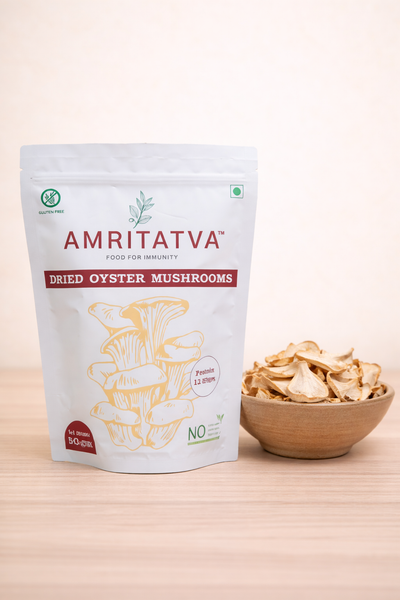
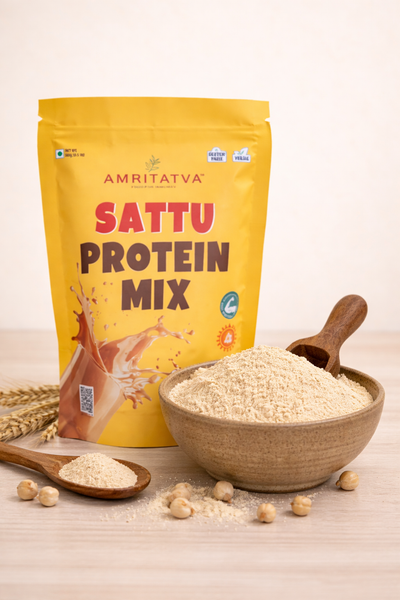
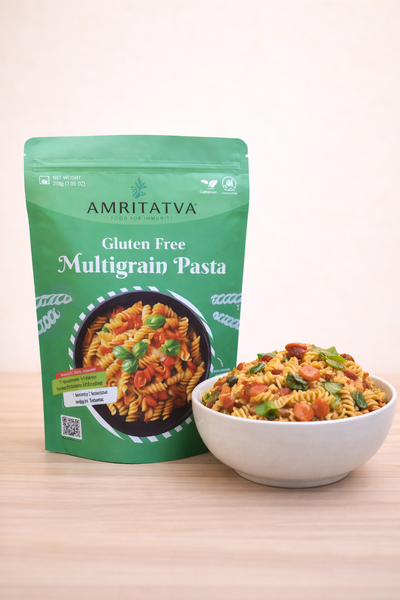
At Amritatva, we believe practical food choices should fit real kitchens and everyday routines. Our range includes products for different cooking needs, such as sattu-based mixes, seasonings, gluten-free pasta and noodles, and oyster mushroom powder.
A smoothie recipe does not need to include a branded product to be useful. The important steps are to understand your ingredients, check the nutrition information and choose a portion that fits your needs. No single drink can replace a varied diet, and a low calorie count alone does not establish that a food is right for everyone.
Rather than treating a 100-calorie target as a universal goal, use it as an example of portion awareness. Some days you may want a light drink; on other days, a larger snack or meal may be more appropriate.
Frequently Asked Questions
1. Can a protein smoothie really contain only 100 calories?
It can be possible to make a small smoothie close to 100 calories, but the result depends on the exact quantities and brands. Protein powder varies considerably in calorie content, and fruit, milk, seeds and toppings all contribute energy. Weigh the ingredients and calculate the total from their nutrition labels. Treat the recipe's calorie range as an estimate rather than a guaranteed figure.
2. How much protein is in a 100-calorie protein smoothie?
There is no fixed amount. The protein content depends largely on the type and quantity of protein powder, as well as the other ingredients. Check the powder's protein value per serving and scale it to the amount you actually use. A mini smoothie may contain some protein without providing the amount you need for a full meal or post-workout recovery.
3. Is a 100-calorie smoothie good after a workout?
It may work as a small snack, but it may not provide enough energy or protein after a demanding workout. Recovery needs vary with the type and duration of exercise, body size, overall food intake and training goals. Consider your overall daily nutrition and whether you need a larger snack or meal. Do not assume that a drink's low calorie count makes it ideal for recovery.
4. Can I make a protein smoothie without protein powder?
Yes. You can blend suitable milk or soy milk with fruit and other ingredients, but the protein content may be lower than in a recipe using protein powder. Ingredients such as yoghurt, soy milk or other protein-rich foods can change the total, as can portion size. Check the nutrition information of the ingredients you use if protein intake is a specific goal.
5. Is almond milk better than regular milk for smoothies?
Neither is automatically better. Unsweetened almond milk is often lower in calories, while dairy milk generally provides more protein per serving. Fortified products can also differ in their calcium and vitamin content. Compare nutrition labels and choose according to your preferences, dietary requirements and overall needs. If you avoid dairy, check that the alternative you choose provides the nutrients you are looking for.
6. Can I prepare a protein smoothie in advance?
For best texture, many smoothies are easiest to drink soon after blending. If you prepare one ahead, transfer it to a clean, covered container, refrigerate promptly and follow safe food-handling practices. Shake or stir it before drinking, since ingredients may separate. Do not leave a milk-based or other perishable smoothie at room temperature for extended periods, and discard it if storage safety is uncertain.
A Small Recipe, With Realistic Expectations
A homemade smoothie can be a practical way to combine measured ingredients and understand what you are drinking. If you want a version close to 100 calories, weigh the portions and check the nutrition labels. If you need more energy or protein, adjust the serving to match your needs rather than forcing every drink into a strict calorie limit.
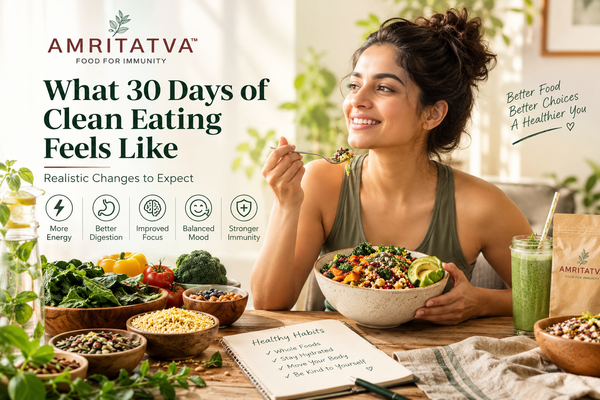
Mindful nutrition is not about making every food as low-calorie as possible. It is about understanding your choices and building a varied, sustainable eating routine.

0 comments