

Decoding Our Ingredient List: Why Food Transparency Matters
When you pick up a packaged food, do you read the ingredient list—or decide mainly from the front of the pack? Understanding what goes into a product can help you compare options, check for ingredients you need to avoid and make choices that fit your preferences. An ingredient list and nutrition panel offer different information: one identifies the ingredients used, while the other helps explain the product's nutritional composition.
At Amritatva, we believe food brands should communicate clearly about what their products contain and how they are intended to be used. Transparency is not simply about using fewer ingredients or making a product sound natural. It means presenting accurate information, explaining claims responsibly and allowing customers to make their own informed decisions. For Indian households managing busy schedules, food preferences, allergies or specific dietary requirements, knowing how to read a label is a practical everyday skill.
What Does Ingredient Transparency Actually Mean?
Ingredient transparency means making relevant product information clear, accurate and accessible. This includes the ingredient list, nutrition information, applicable allergen declarations, storage instructions and other required label details.
It also means ensuring that advertising and packaging claims match what the product can genuinely support. A brand should not imply that an ingredient is present in a significant amount simply because it appears in a photograph, or suggest a health outcome that has not been established.
The term “clean label” does not have one universally agreed definition. It is often used in the food industry to describe products marketed around simplicity, recognisable ingredients or fewer selected additives. However, the phrase alone does not establish that a product is healthier, safer or more nutritious.
A short ingredient list can be useful, but length alone is not a reliable quality test. Some additives serve specific technological purposes, and an unfamiliar ingredient is not automatically harmful. The more useful questions are: What is this ingredient? Why is it used? Does the product suit my dietary needs? And are its claims supported?
Why Should You Read the Ingredient List?
1. How can it help you understand what you are buying?
The ingredient list identifies the ingredients used in a packaged food, subject to applicable labelling rules. Reading it helps you understand whether a product contains ingredients you prefer to limit or need to avoid.
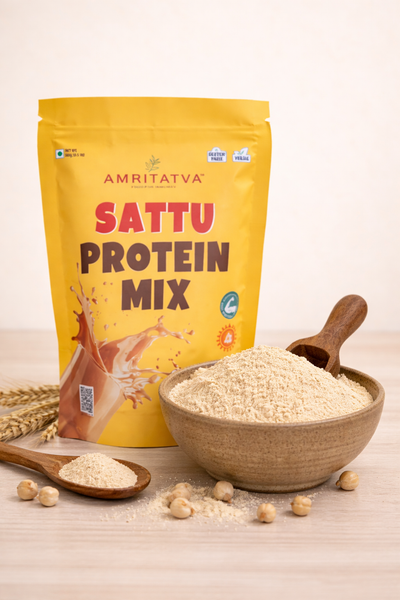
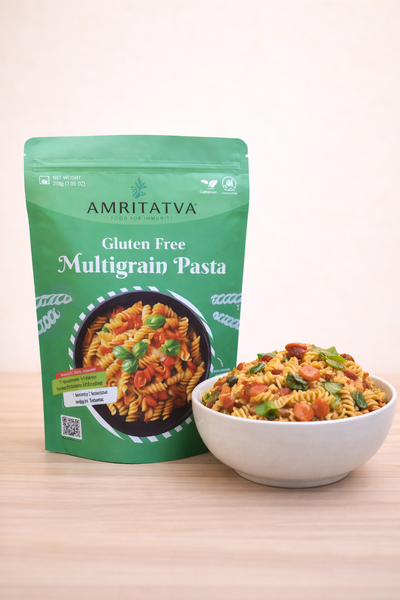
For example, someone comparing two pasta products might look for the grain or flour used, seasonings and other ingredients. Someone choosing a sattu mix might check the ingredients to understand whether it contains only the expected base ingredients or also includes cocoa, sweeteners or flavourings.
Do not rely only on product names, pictures or words such as “natural”. Check the actual label, and consult the manufacturer's information when something remains unclear.
2. Can labels help people manage dietary restrictions?
Yes, labels can be an important part of checking whether a food is suitable for a particular dietary requirement. Depending on the product and the relevant rules, packaging may provide information about allergens, ingredients and vegetarian or non-vegetarian status.
However, label reading should be only one part of managing a serious allergy or coeliac disease. Cross-contact can occur during manufacturing, storage or preparation, and a front-of-pack claim does not replace the checks needed for your particular condition.
If you must avoid gluten, for instance, verify the product's suitability and relevant declarations rather than assuming that a millet-based or rice-based product is automatically gluten-free. If an ingredient or warning is unclear, contact the manufacturer before consuming the product.
3. Does a simpler ingredient list mean a healthier product?
Not necessarily. A product with five ingredients is not automatically more nutritious than one with ten. The types and amounts of ingredients, serving size, nutrient composition and the role of the food in your overall diet all matter.
A product with a short ingredient list may still be high in salt, added sugar or saturated fat. Conversely, a packaged food with several ingredients may provide useful nutrients and fit comfortably into a balanced eating pattern.
Rather than using ingredient count as a score, compare the information that matters for your needs. Look at the ingredient list alongside the nutrition panel, serving size and relevant dietary declarations.
How Do You Read a Packaged Food Label in India?
A few simple checks can make label reading easier. The Food Safety and Standards Authority of India (FSSAI) sets requirements for food labelling and display, with applicable regulations and amendments governing the information provided on packaged foods.
| What to check | What it can tell you | A practical question |
|---|---|---|
| Ingredient list | Ingredients used in the product | Does it contain anything I need to avoid? |
| Nutrition information | Declared nutrients and their quantities | How does the nutritional profile fit my needs? |
| Serving size | The quantity used for the stated nutrition values | Am I comparing equivalent portions? |
| Allergen information | Relevant allergen declarations, where applicable | Is this suitable for my allergy or dietary restriction? |
| Date and storage instructions | Product date information and handling requirements | Is it within the stated period and stored correctly? |
| Product claims | Statements made about the product | Is the claim specific, clear and supported? |
| Manufacturer details | Information that can help identify or contact the responsible business | Where can I ask for clarification? |
The exact information required can vary with the product and applicable rules. When comparing two products, use the same basis—such as equivalent serving sizes or per-100-gram nutrition values where available—rather than comparing numbers from different quantities.
What Is the Difference Between an Ingredient Claim and a Nutrition Claim?
These claims communicate different things, so it is worth understanding what each one means.
-
Ingredient claim: Refers to an ingredient or type of ingredient used in the product. For example, “made with millet” tells you something about the ingredients, but it does not by itself establish the product's overall nutritional quality.
-
Nutrition claim: Communicates something about a nutrient or nutritional property, such as protein, fibre, sugar or fat. Such claims should be supported by the relevant product information and comply with applicable requirements.
-
Dietary claim: Describes suitability for a dietary preference or requirement, such as vegan or gluten-free. Consumers should check the relevant declarations and any additional requirements that apply to their circumstances.
-
General marketing language: Words such as “pure”, “natural” or “clean” may communicate a brand's positioning, but their presence alone does not prove a particular health benefit.
A useful habit is to ask, “What exactly is being claimed, and what information supports it?” This keeps the focus on facts rather than assumptions.
How Can You Compare Two Products Without Being Misled?
Imagine choosing between two packaged snacks. One has a green-coloured pack and says “natural” on the front. The other uses a simple design but makes fewer promotional statements.
The packaging alone cannot tell you which is the better choice. Compare the ingredient lists, declared nutrients, serving sizes, relevant allergens and product claims. Then consider how each option fits your own needs and how frequently you plan to eat it.
You might prioritise lower sodium, a particular ingredient, gluten-free suitability, affordability or convenience. Another person may have different priorities. Transparency helps consumers make their own decisions; it does not mean every customer should choose the same product.
Also remember that nutrition information is only one part of food quality. Food safety, appropriate storage, preparation and the wider dietary pattern matter too.
How Can You Apply Label Reading to Everyday Indian Food Choices?
Label reading becomes most useful when it connects to the foods you already buy.
When buying atta, millet flour or pasta: Check the listed grains and flours. If you need a gluten-free product, verify that it meets your specific requirements rather than assuming that all millet products are suitable.
When choosing sattu or a ready-to-mix powder: Read the ingredients to understand the base product and any additions, such as cocoa, sweeteners or flavourings. Check the nutrition panel to compare products consistently.
When buying seasonings and ready-to-cook foods: Review the ingredients and declared sodium information where available. Consider how much seasoning you typically use in a meal.
When shopping for children: Look at the ingredient list and nutrition information instead of relying only on cartoon characters, colours or claims on the front. Consider the food's role in the child's overall diet.
When buying for a family member with a dietary restriction: Read the relevant declarations each time, especially when the brand or product formulation changes. If the information is incomplete or unclear, ask the manufacturer before purchasing.
These small checks can help you shop with greater confidence without turning every grocery trip into a lengthy research exercise.
What Does Transparency Mean at Amritatva?
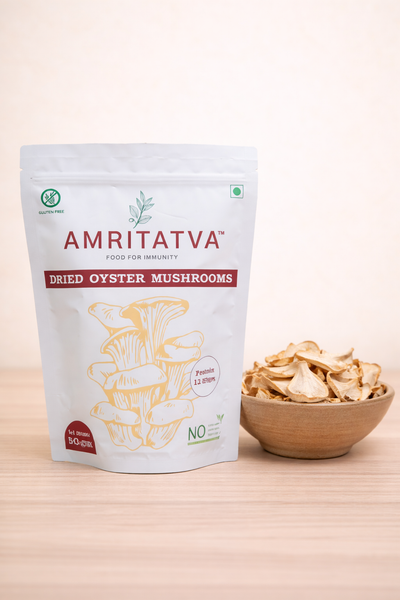
At Amritatva, we believe customers deserve clear product information so they can decide whether a food suits their preferences and requirements. Our range includes products such as oyster mushroom powder, gluten-free pasta and noodles, seasonings and sattu-based mixes.
Different products serve different purposes in everyday cooking. The relevant ingredients, nutrition information, preparation instructions and dietary declarations should be checked on the specific product rather than assumed from the brand name or another item in the range.
We also believe transparency means being careful with health-related language. Vegan, gluten-free or minimally processed does not automatically mean a food is healthier for everyone. A product's suitability depends on its actual composition and the needs of the person consuming it.
For us, trust is built through clear communication, accurate information and a willingness to help customers understand what they are buying. Ingredient transparency is not about asking people to accept a claim at face value. It is about giving them the information they need to evaluate it.
Frequently Asked Questions
1. What does a clean label mean on food packaging?
“Clean label” is commonly used to describe products promoted around simpler or more recognisable ingredients, but it does not have one universally agreed definition. The phrase alone does not prove that a product is healthier, safer or free from additives. Read the actual ingredient list, nutrition information and relevant claims to understand what the food contains and whether it meets your needs.
2. Are products with fewer ingredients always healthier?
No. The number of ingredients does not determine a product's overall nutritional quality. A short list can still describe a food high in salt, sugar or saturated fat, while a longer list may include useful ingredients and permitted additives. Compare the ingredient list with the nutrition panel, serving size and your dietary requirements rather than using ingredient count as the only measure.
3. How do I read an ingredient list on packaged food in India?
Start by checking the product name, ingredient list, nutrition information, relevant allergen declarations, date information and storage instructions. Compare nutrition values using equivalent quantities, such as per 100 grams when provided. Look at product claims critically and consult the manufacturer if information is unclear. The specific labelling requirements depend on the product and the applicable FSSAI regulations.
4. Can I trust claims such as “natural”, “pure” or “healthy”?
Do not rely on a single promotional word to judge a product. Ask what the claim means in context and check the ingredient list, nutrition panel and supporting product information. Specific nutrition and health claims may be subject to applicable requirements, while general marketing language may not tell you enough to assess the food. If a claim is important to your purchase, look for clear, verifiable information.
5. Why is ingredient transparency important for people with food allergies?
Ingredient and allergen information can help people identify foods that may be unsuitable for them. However, people with serious allergies must also consider cross-contact risks and the reliability of the information provided. If a label is unclear, contact the manufacturer before consuming the product. Follow advice from your healthcare professional, and do not assume that a product is safe simply because a particular allergen is not prominent on the front of the pack.
6. Does a vegan or gluten-free label mean a product is healthier?
Not automatically. Vegan describes a product's suitability under a particular dietary definition, while gluten-free relates to gluten content and applicable requirements. Neither claim alone tells you the full nutritional profile. Check the ingredients, nutrition information and relevant declarations, and consider your own dietary needs. A food can fit a vegan or gluten-free diet without necessarily being the most nutritious option for every person.
Trust Begins With Information You Can Understand
A product label should help you make a decision, not leave you guessing. Take a moment to check the ingredients, compare the nutrition information and look beyond front-of-pack promises.
At Amritatva, we believe informed choices begin with honest communication. The more clearly food brands explain their products, the better equipped customers are to choose what works for their kitchens, preferences and needs.

0 comments