

Thirty days of balanced eating can help you notice your food choices, routines and eating patterns more clearly. Learn what may change, what is not guaranteed, and how to build habits that fit everyday Indian life.
What 30 Days of Clean Eating Feels Like: Realistic Changes to Expect
What does 30 days of clean eating really feel like? For some people, it may mean becoming more organised with meals, including more vegetables and pulses, or relying less often on sugary drinks and packaged snacks. Others may notice changes in their hunger patterns, cooking routines or awareness of food choices. But there is no universal 30-day transformation: improvements in energy, digestion, mood or sleep are not guaranteed, and they cannot all be attributed to diet alone.
Clean eating is best understood as a flexible approach to choosing varied, balanced meals—not a strict diet with a list of forbidden foods. For Indian households, that might mean adding vegetables to dal and roti, choosing fruit for a snack more often, or planning a balanced breakfast before a busy workday. The goal is not perfection. It is to find practical habits you can maintain beyond the first month.
What Does “Clean Eating” Actually Mean?
“Clean eating” has no single standard definition. It is often used to describe eating more minimally processed foods, including vegetables, fruits, pulses, whole grains, nuts and seeds, while limiting foods high in added sugar, salt or unhealthy fats.
However, clean eating does not mean avoiding every packaged food or treating foods as morally good or bad. Frozen vegetables, plain curd, canned pulses and other convenient foods can fit into a balanced diet. What matters is the overall pattern of eating, nutritional adequacy, food safety and your individual needs.
The World Health Organization (WHO) identifies adequacy, balance, moderation and diversity as core principles of a healthy diet. India’s ICMR–National Institute of Nutrition also recommends a varied diet that includes vegetables, whole grains, pulses and other food groups.
For a working family, a realistic starting point could be adding a vegetable to lunch, preparing a simple breakfast ahead of time and keeping fruit, roasted chana or nuts available for convenient snacks.
What Might the First 30 Days Look Like?
There is no scientifically established timeline in which everyone experiences particular changes after switching to clean eating. The following stages are a habit-building framework, not a prediction of how your body will respond.
Week 1: What feels different when you start?
The first week is often about noticing your current routine. You may realise that breakfast is frequently skipped, vegetables are missing from some meals, or long workdays lead to unplanned snacking. Planning meals may take extra effort at first.
Rather than changing everything overnight, choose two or three achievable actions. For example, add fruit to breakfast, include dal or another pulse in a meal, and carry a planned snack to work.
If you usually drink sweetened beverages, you might gradually reduce their frequency or portion size. There is no need to assume that discomfort, headaches or cravings are a necessary “detox” phase. Persistent or severe symptoms deserve attention rather than being dismissed as the body adjusting.
Week 2: Are your meals becoming more consistent?
By the second week, you may have a clearer routine for grocery shopping, meal preparation and eating during busy days. Some people find that planned meals make it easier to avoid going for long periods without food. Others may still find consistency difficult because of work, travel, family responsibilities or appetite changes.
Adding pulses, vegetables, fruit and whole grains can increase the variety of nutrients and fibre in your diet. If you are increasing fibre, do so gradually and drink fluids regularly. A sudden, large increase may cause gas or bloating in some people, so pay attention to your own tolerance.
Do not use bloating alone as a measure of success or failure. Digestive symptoms have many possible causes and may need medical assessment if they persist.
Week 3: Are you noticing your habits more clearly?
By the third week, you may be more familiar with preparing meals, reading ingredient labels or recognising when you tend to snack without planning. These are behavioural changes worth noticing, even if you do not see a dramatic physical difference.
You may also begin to identify which breakfasts keep you satisfied, which lunch options fit your work schedule, and which recipes your family is happy to eat again.
However, better concentration, improved mood and more stable energy cannot be promised after a particular number of days. Sleep, stress, physical activity, hydration, medical conditions and overall food intake all influence how you feel.
Week 4: What can you take forward after 30 days?
At the end of the month, review what has become easier. Perhaps you have started preparing breakfast the night before, included vegetables more regularly or found three quick dinners your family enjoys.
These practical changes may be more valuable than a short-term weight change or a strict scorecard of “perfect” meals.
Ask yourself: Which habits fit my budget? Which foods do I genuinely enjoy? What can I continue during a busy week? A useful 30-day plan should leave room for celebrations, restaurant meals, family favourites and occasional convenience foods.
Which Changes Are Reasonable to Look For—and Which Are Not Guaranteed?
People often expect clean eating to produce visible or immediate improvements. A more useful approach is to separate changes in routine from possible physical effects.
| Area | A realistic observation | What not to assume |
|---|---|---|
| Meal planning | Shopping and preparing meals may become more organised | Every meal will be homemade |
| Food variety | You may include more fruits, vegetables, pulses and whole grains | Every nutrient need is automatically met |
| Energy | You can observe how meal timing and portions affect your day | Energy will always increase within 30 days |
| Digestion | Changes in fibre, food choices and routine may affect bowel habits | Bloating will disappear or digestion will improve for everyone |
| Focus and mood | You may notice patterns between meals, sleep and how you feel | A particular diet will guarantee better concentration or mood |
| Eating habits | Planning may make choices feel more manageable | Cravings will vanish or willpower will become effortless |
The important distinction is that a balanced dietary pattern supports health, but individual experiences vary. If you have ongoing fatigue, digestive symptoms or unexplained changes in weight, do not rely on a food challenge alone; consult a qualified healthcare professional when appropriate.
How Can You Practise Clean Eating in an Indian Kitchen?
You do not need expensive ingredients, imported superfoods or a separate menu for the entire family. Start with the meals you already cook and make practical adjustments.
-
Breakfast: Try vegetable poha, besan chilla, idli with sambar, or sattu mixed with water or an appropriate plant-based drink. Choose portions and combinations that suit your needs.
-
Lunch: Build a meal around roti or rice, dal or beans, and one or more vegetables. Add curd if it suits your diet.
-
Evening snack: Keep fruit, roasted chana, peanuts or a small portion of nuts available instead of relying on whatever is easiest to find.
-
Dinner: Make khichdi with vegetables, millet with dal, or a vegetable-rich curry with a suitable grain.
-
Drinks: Choose water regularly and be mindful of how often you consume sugar-sweetened beverages.
-
Busy days: Use convenient foods thoughtfully. Frozen vegetables, plain curd, ready-to-cook pulses and packaged foods with suitable nutritional profiles can help.
A useful meal-building guide is to include a grain or other staple, a protein source such as pulses or beans, vegetables, and a suitable source of fat. Exact proportions depend on appetite, activity, age, health and dietary requirements.
If you need to avoid gluten for coeliac disease or another medical reason, choose appropriate gluten-free ingredients and prevent cross-contact in the kitchen. A food being described as “clean” does not make it gluten-free or suitable for every allergy.
What Does the Evidence Say About Balanced Eating?
The WHO recommends a varied diet that includes fruits, vegetables, pulses, whole grains, nuts and seeds, while limiting excessive free sugars, salt and unhealthy fats. ICMR–NIN’s Dietary Guidelines for Indians similarly emphasise dietary variety and balanced meals.
These recommendations support healthy eating patterns over time. They do not establish that a person will experience a specific set of physical or mental changes after exactly 30 days.
It is also worth remembering that minimally processed foods are not automatically better in every situation, and packaged foods are not automatically unhealthy. Nutrient composition, portion size, overall dietary pattern, affordability, accessibility and individual requirements all matter.
For people managing a medical condition, food allergies or a history of disordered eating, a restrictive interpretation of clean eating may be unhelpful. Personalised advice from a registered dietitian or qualified healthcare professional can help make changes appropriate and sustainable.
How Can Amritatva Fit into Your Everyday Food Routine?
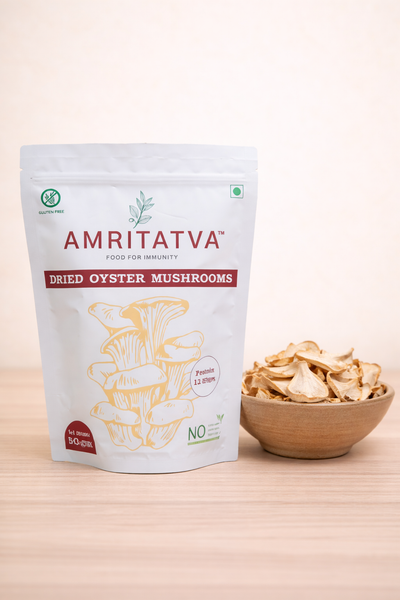
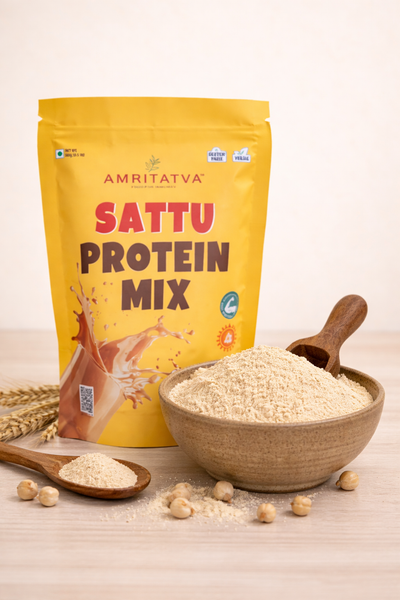
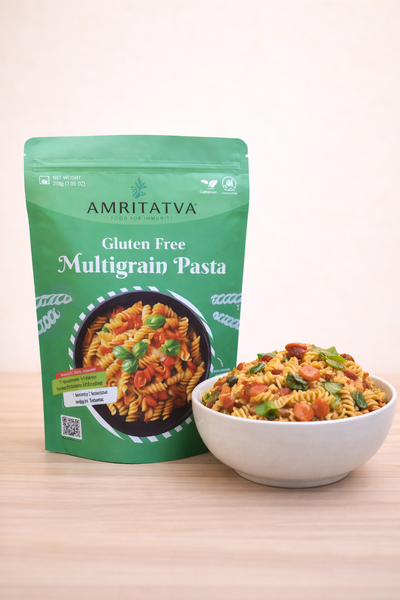
At Amritatva, we believe that healthier food choices should work with everyday Indian cooking—not make it unnecessarily complicated. Vegan and gluten-free options, including mushroom-based products, pasta, noodles, seasonings and sattu mixes, can offer variety when they suit a person's preferences and dietary requirements.
No single product defines a balanced diet, and a product being vegan or gluten-free does not automatically make it nutritionally superior. Read ingredient lists, check nutritional information and choose products according to your needs.
You could start with one simple change: plan tomorrow's breakfast, add a vegetable to a familiar meal, or prepare a convenient snack before leaving home. Build from there rather than attempting a complete lifestyle overhaul in one day.
Frequently Asked Questions
1. Can you see results from clean eating in 30 days?
You may notice changes in your shopping, meal planning, food variety or eating routine within a month. Some people also notice differences in how they feel, but the timing and extent vary. There is no guarantee of weight loss, better digestion, improved focus or higher energy after 30 days. Look for sustainable habits and consider your overall health rather than judging success by one physical outcome.
2. Does clean eating mean avoiding all processed foods?
No. Processing includes many methods, from freezing vegetables to making bread or cooking pulses. Some packaged foods are convenient and can contribute useful nutrients. Instead of avoiding every processed item, check the ingredients and nutrition information, and pay attention to foods high in added sugar, sodium or unhealthy fats. Your overall dietary pattern matters more than whether every item comes directly from a kitchen.
3. Will clean eating improve digestion or reduce bloating?
Not necessarily. Including a wider variety of fibre-rich foods may support normal bowel function, but increasing fibre too quickly can cause gas or bloating in some people. Digestive symptoms can also be linked to intolerances, medical conditions, medicines or other factors. Make gradual changes and seek medical advice if symptoms persist, worsen or are accompanied by concerning signs.
4. Can clean eating help with weight management?
A balanced eating pattern may support weight management when overall food intake, activity and other factors align with an individual's needs. However, clean eating does not guarantee weight loss, and foods labelled natural or minimally processed can still provide substantial energy. Focus on satisfying meals, appropriate portions and habits you can maintain. If you have specific weight or health goals, personalised professional advice may be helpful.
5. What should I eat during a 30-day clean-eating challenge in India?
Build meals around familiar foods such as vegetables, fruit, dal, beans, whole grains, nuts and seeds, alongside other foods that meet your nutritional needs. Examples include poha with vegetables, roti with dal and sabzi, rice with rajma, or vegetable khichdi. Adapt ingredients to your preferences, budget, allergies and medical requirements. There is no need to buy special foods or follow a rigid menu.
6. Is clean eating suitable for everyone?
The basic principles of dietary variety and balance are useful, but individual needs differ. People with coeliac disease, food allergies, diabetes, kidney disease or other medical conditions may need specific guidance. A highly restrictive version of clean eating can also create unnecessary stress around food. Choose an approach that supports adequate nutrition, flexibility and enjoyment, and seek personalised advice when your circumstances require it.
The Real Transformation Is What You Can Sustain
Thirty days can be a useful starting point—not a deadline for achieving a perfect body, flawless digestion or constant energy. Use the month to discover which foods you enjoy, which routines fit your schedule and which small changes make everyday meals easier to manage.
The goal is not to eat perfectly for 30 days. It is to build a balanced, flexible relationship with food that you can carry into the months ahead.


0 comments