

How to Eat Mindfully at Indian Weddings Without Stress or Guilt
Indian weddings are celebrations of togetherness, traditions, music and, of course, food. From chaat counters and freshly prepared snacks to rich curries, breads, biryani and mithai, there is often something tempting at every turn. Eating mindfully at a wedding does not mean avoiding your favourite foods; it means enjoying the celebration while paying attention to your appetite, preferences and comfort.
You do not need to follow strict food rules, skip meals before the event or feel guilty about having dessert. A few practical habits can make the experience more enjoyable: arrive reasonably hungry rather than starving, look at the available dishes before serving yourself, eat at a comfortable pace and choose foods you genuinely want to eat.
Wellbeing is shaped by patterns over time, not by one wedding meal. The aim is to participate in the celebration, enjoy the food and leave room for the rest of your life—not turn a happy occasion into a test of self-control.
Why Can Eating at Indian Weddings Feel Challenging?
Wedding food is part of the experience. There may be several buffet counters, live cooking stations, snacks served before dinner and desserts offered late into the evening. You may also be talking with relatives, taking photographs, attending ceremonies or moving between venues.
In this environment, it is easy to lose track of what you have eaten or choose something simply because it is available. Long gaps between meals can also leave you extremely hungry by the time dinner begins.
There is no need to treat these situations as personal failures. Instead, think about what would make the event more comfortable.
-
Many options: Decide which dishes appeal to you instead of feeling obliged to taste everything.
-
Long event timings: Eat your usual meals and snacks as needed rather than deliberately going hungry.
-
Social pressure: Remember that you can politely decline food or choose a smaller serving.
-
Distracted eating: Pause occasionally to notice whether you are still hungry and enjoying what you have chosen.
-
Rich or unfamiliar dishes: Start with a comfortable portion and take more if you want it.
The purpose is not to control every bite. It is to make room for enjoyment and choice.
Should You Eat Before Attending a Wedding?
Yes, it can help to maintain your usual meal routine instead of arriving extremely hungry after deliberately skipping food.
If the wedding begins late or dinner is expected to be delayed, have a normal meal or a suitable snack beforehand. For example, you might have fruit with curd, roasted chana, a small sandwich or another familiar option that fits your dietary needs.
This is not about suppressing your appetite or preventing yourself from enjoying the buffet. It is simply about avoiding unnecessary discomfort from going too long without food.
You also do not need to “save calories” by skipping breakfast or lunch before a big event. That approach can make your day more stressful and may leave you feeling overly hungry when food becomes available.
A useful rule: Keep your normal routine as much as possible, then enjoy the wedding meal when you are ready for it.
How Can You Navigate an Indian Wedding Buffet?
A buffet can offer more choice than you need for one meal. Before picking up a plate, take a moment to see what is available.
Step 1: Explore before serving
Walk past the counters and notice the dishes you genuinely like. You might find familiar home-style preparations alongside richer festive foods, salads, breads, rice dishes and desserts.
You do not have to sample every counter just because it is there. Choose what appeals to you most.
Step 2: Build a plate that suits you
Depending on the menu, you might include a vegetable preparation, dal or another protein source, a grain or bread, and one or two festive dishes you particularly enjoy.
This is a flexible idea, not a compulsory plate formula. Wedding menus vary, and you may have dietary requirements, food allergies or cultural preferences to consider.
Step 3: Start with a comfortable serving
You can begin with a moderate amount and return for more if you are still hungry. This gives you the freedom to try different foods without feeling that you need to finish a large plate simply because you served it.
Step 4: Make choices based on enjoyment
Ask yourself: “Which of these dishes do I really want to eat?” Choosing a favourite can be more satisfying than filling your plate with items you only feel you should try.
A wedding buffet is not an examination. There is no perfect plate, and one meal does not need to follow a rigid nutrition plan.
Can You Enjoy Fried Foods, Rich Curries and Sweets?
Absolutely. Mindful eating does not require labelling every festive food as either good or bad.
Indian wedding menus often include foods prepared with more oil, ghee, sugar or cream than everyday meals. You can enjoy these dishes while considering your appetite, preferences and any specific dietary advice you follow.
Try these practical approaches:
-
Choose the fried snack you enjoy most rather than taking several only because they are available.
-
Serve yourself a portion of a rich curry that feels comfortable for you.
-
Enjoy your favourite sweet slowly enough to appreciate its flavour.
-
If you want to try multiple desserts, choose portions that let you sample them comfortably.
-
If you are full, you can stop—even if food remains available.
There is no need to compensate for a dessert by skipping your next meal or exercising excessively. Return to your usual eating routine afterwards.
For people managing diabetes, food allergies, coeliac disease or other medical dietary requirements, individual needs may call for additional planning. Follow the advice relevant to your condition and check ingredients or cross-contact risks when necessary.
How Does Mindful Eating Help During a Celebration?
Mindful eating means paying attention to the experience of eating—such as taste, texture, hunger, fullness and the situation around you—rather than following rigid rules.
At a wedding, you might be eating while chatting, standing near a buffet or moving between groups of guests. You do not need to eat in silence or turn the occasion into a formal exercise. A few small pauses can be enough.
Try the following:
-
Slow down when you can. Give yourself time to enjoy the flavour and texture of the food.
-
Pause between servings. Notice whether you would like more, rather than automatically returning to the buffet.
-
Check in with your comfort. Pay attention to how full you feel, without expecting yourself to identify a perfect signal every time.
-
Put distractions aside occasionally. If possible, take a few moments to focus on the meal and the people around you.
-
Stay flexible. You may eat more or less than usual at a celebration. That variation is part of real life.
Mindful eating is not a guarantee against digestive discomfort or overeating. It is simply one way to bring more awareness to your choices.
What About Water, Late-Night Meals and Digestive Comfort?
Weddings can involve long hours, dancing, travel and late dinners. Looking after your basic needs can make the day more comfortable.
Drink water regularly. Keep water available and drink according to your needs, especially if you are spending time outdoors or dancing. You do not need to drink excessive amounts, and water should not be used to suppress hunger.
Avoid unnecessary meal gaps. If the event schedule is unpredictable, consider carrying a suitable snack, particularly if you have specific dietary needs or know dinner will be late.
Eat at a comfortable pace. Eating very quickly can make it harder to notice how much you are enjoying your meal or when you feel comfortably full.
Give yourself time after eating. If you feel very full, a gentle walk when convenient may feel pleasant. You do not need to perform intense exercise to make up for what you ate.
If you have a medical condition that affects food choices, digestion or fluid intake, follow your healthcare professional’s guidance rather than relying on general wedding tips.
How Can You Handle Food Pressure From Family and Friends?
Food is often a way of expressing affection in Indian families. A relative may insist that you try another sweet, accept another serving or taste a special dish.
You can appreciate the gesture without having to eat more than you want.
Try friendly responses such as:
-
“Thank you! That was lovely, and I’m comfortable for now.”
-
“I’ll try a little later if I feel like it.”
-
“Everything looks wonderful. I’m going to take a small portion.”
-
“I have a dietary restriction, so I’ll check the ingredients first.”
You do not need to explain or defend every choice. If you have a medical dietary requirement, it is reasonable to be clear about what you can safely eat.
The same kindness applies to other guests. Avoid commenting on someone’s portion size, body, weight or food choices. A celebration feels more welcoming when people can enjoy food without being judged.
A Practical Wedding-Day Checklist
Use this simple checklist to keep the focus on enjoying the occasion.
| Before the wedding | At the venue | After the celebration |
|---|---|---|
| Eat your usual meals | Explore the buffet first | Return to your normal routine |
| Check the event timing | Choose foods you enjoy | Eat when you are hungry |
| Plan for any dietary needs | Serve a comfortable portion | Drink water according to your needs |
| Carry a suitable snack if needed | Pause and notice your comfort | Avoid guilt or compensatory restriction |
You do not need to follow every point perfectly. Pick the one or two habits that would make the biggest difference to your own experience.
How Does Amritatva View Healthy Living During Celebrations?
At Amritatva, we believe healthy living should feel practical and sustainable—not like a list of rules that prevents people from enjoying everyday life.
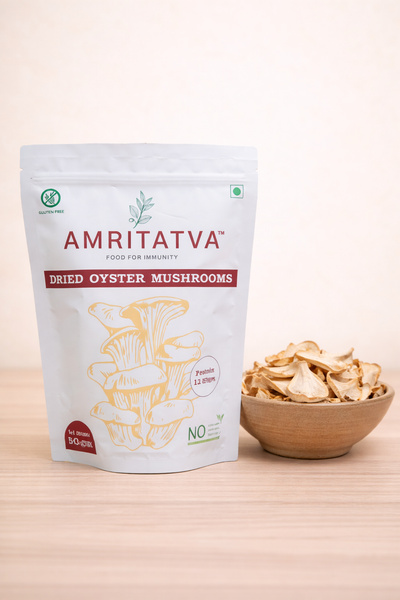
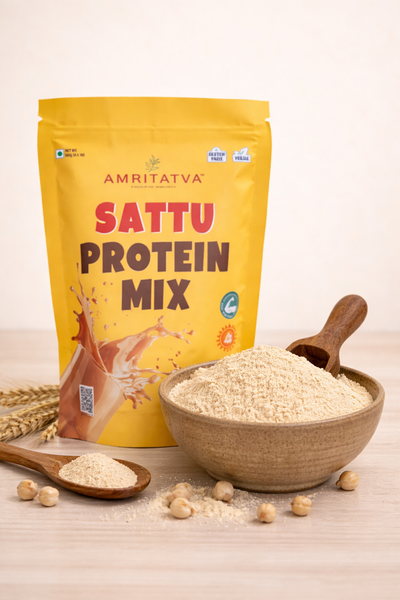
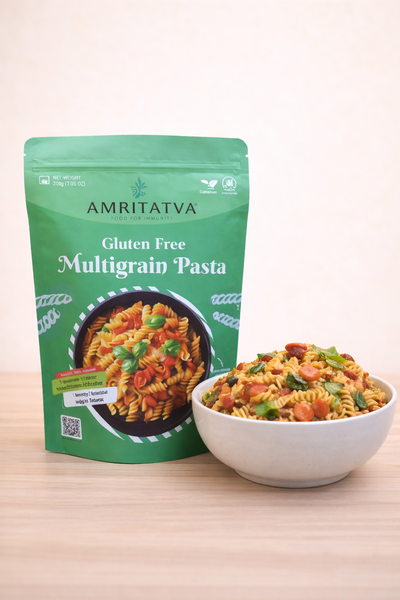
Our range includes oyster mushroom powder, gluten-free pasta and noodles, seasonings and sattu-based mixes. These products offer options for particular cooking preferences and dietary needs, but they are not required for enjoying a balanced lifestyle.
A wedding meal does not need a special “healthy” product to make it worthwhile. The wider picture matters: the foods you enjoy, your overall eating pattern, your personal needs and the habits you can maintain over time.
Our philosophy is simple: understand your food, make informed choices and allow room for both nourishment and celebration. Food can be part of health and part of connection, tradition and pleasure.
Frequently Asked Questions
1. How can I eat healthy at an Indian wedding buffet?
Start by looking at the available dishes before serving yourself. Choose foods you genuinely enjoy, and consider including a mix of vegetables, protein sources and grains where available and suitable for you. Begin with a comfortable portion and return for more if you are hungry. You can enjoy rich dishes and sweets too; there is no need for strict rules.
2. Should I skip meals before a wedding to eat more at dinner?
Skipping meals deliberately is not necessary. Arriving extremely hungry after a long gap without food may make the evening less comfortable. Try to maintain your usual meal routine and have a suitable snack if dinner will be delayed. This lets you enjoy the wedding meal without turning the day into a cycle of restriction and compensation.
3. Can I eat sweets at a wedding while following a balanced diet?
Yes, sweets can be enjoyed as part of a flexible eating pattern. Choose the dessert you want, savour it and stop when you feel comfortable. One sweet or one festive meal does not determine your long-term health. If you have diabetes or another condition requiring specific food management, follow your individual medical or dietetic advice.
4. What should I do if I overeat at a wedding?
First, avoid blaming yourself. If you feel very full, give yourself time, wear comfortable clothing and return to your usual routine when you are ready to eat again. Drink according to your thirst and avoid trying to compensate by skipping meals or exercising excessively. If severe or persistent symptoms occur, seek appropriate medical advice.
5. How can I manage food allergies or a gluten-free diet at a wedding?
Ask the catering team about ingredients and preparation methods, and check whether cross-contact with foods you need to avoid is possible. Buffet labels may not provide enough information to confirm that a dish is safe for you. If you have coeliac disease or a serious food allergy, prioritise reliable ingredient information and avoid dishes whose safety cannot be established.
6. Does mindful eating mean eating all the time slowly?
No. Mindful eating is about paying attention to your experience rather than following a strict speed rule. At a wedding, you can enjoy conversation and food together. Pausing occasionally to notice taste, appetite and comfort may help you make more intentional choices. There is no need to make every meal formal or judge yourself if the event is busy.
Celebrate More, Worry Less
Indian weddings are meant to be enjoyed. You can savour a favourite curry, taste the mithai, share a meal with family and still care for your wellbeing.
Keep your approach simple: arrive reasonably hungry, explore your options, choose what you enjoy, eat at a comfortable pace and let go of unnecessary guilt. Your health is shaped by your broader habits and circumstances, not by one celebration.
At Amritatva, we believe a thoughtful relationship with food makes room for nourishment, tradition, connection and pleasure. Choose balance over perfection—and let the celebration remain a celebration.
0 comments