

What does a sustainable clean eating lifestyle actually mean?
A sustainable clean eating lifestyle is not about following a perfect diet or eliminating entire food groups. It is about building a varied, balanced and practical way of eating that you can maintain alongside work, family, exercise, travel and social occasions.
The term “clean eating” is not a standardised medical diet, so it is more useful to focus on established principles of healthy eating: adequacy, balance, moderation and diversity. WHO recommends building diets around a variety of foods, including vegetables, fruits, pulses, whole grains and other nutritious protein sources, while limiting foods high in free sugars, unhealthy fats and excess sodium.
For an Indian household, this does not require a completely new menu. Dal, sabzi, roti, rice, millet, curd or other suitable protein sources, fruits, nuts, seeds and traditional home-cooked meals can all have a place in a balanced diet.
The goal is not to eat perfectly every day. The goal is to make healthy choices easier to repeat.
Why are strict food rules difficult to maintain?
One common problem with “clean eating” is that it can become a list of foods that are supposedly good or bad.
That approach can make everyday eating unnecessarily complicated.
A sustainable routine leaves room for different foods and different situations. Your weekday breakfast may be simple poha or vegetable upma, lunch could be dal, rice and sabzi, and dinner might be millet khichdi or a vegetable-based meal. A family celebration or restaurant meal does not have to be viewed as failure.
WHO describes healthy diets through adequacy, balance, moderation and diversity rather than one rigid menu. The exact combination also varies according to individual needs, activity levels, cultural context and locally available foods.
So instead of asking:
“Is this food clean enough?”
A more useful question is:
“How does this food fit into my overall eating pattern?”
How can you build a balanced Indian meal?
A sustainable eating routine becomes easier when meals are built from familiar ingredients rather than complicated “health foods.”
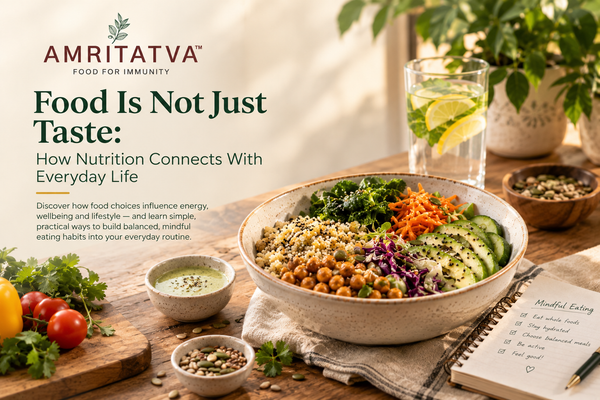
For example, a practical Indian meal could combine:
- A cereal or whole-grain source such as rice, wheat, millet or another suitable grain
- Dal, beans, chickpeas or another protein source
- One or more vegetables
- Curd or another suitable food, depending on your dietary pattern
- Fruit, nuts or seeds across the day
- Water or another appropriate unsweetened beverage
WHO specifically identifies vegetables, fruits, pulses and whole grains such as millet, oats, wheat and brown rice as important components of a varied healthy diet.
For people following a vegan diet, plant-based options such as dal, chana, rajma, soy, nuts, seeds and other suitable foods can contribute to variety and protein intake.
The important point is variety across the day and week, rather than trying to make every individual meal perfect.
Which simple food habits are worth repeating?
Instead of changing everything at once, choose a few habits that solve real problems in your routine.
| Habit | Practical Indian example | Why it helps the routine |
|---|---|---|
| Plan meals | Decide tomorrow’s lunch the night before | Reduces last-minute decisions |
| Add vegetables | Add sabzi to dal, rice, poha or roti meals | Makes vegetables easier to include regularly |
| Choose water more often | Carry a reusable bottle | Makes hydration more convenient |
| Keep useful snacks ready | Fruit, roasted chana, nuts or seeds | Gives practical alternatives between meals |
| Prepare ingredients | Wash/chop vegetables or cook dal in advance | Reduces weekday cooking pressure |
| Eat mindfully | Sit down rather than eating while constantly working | Helps you pay attention to the meal |
| Keep variety | Rotate grains, pulses, vegetables and protein sources | Supports dietary diversity |
These habits are not “detox” strategies or quick fixes. They are simply ways of making a balanced eating pattern easier to follow.
How important is meal preparation for healthy eating?
Meal preparation does not have to mean cooking an entire week of food on Sunday.
For an Indian family, preparation can be much simpler.
You might:
- Soak or cook dal and legumes ahead of time.
- Wash and prepare vegetables for the next day.
- Keep roasted chana or nuts available for snacks.
- Prepare a basic chutney or seasoning.
- Keep cooked grains ready for a quick meal.
- Plan two or three breakfast options for busy mornings.
- Portion ingredients before a particularly busy workday.
This can be especially useful for working families because the biggest challenge is often not knowing what constitutes a balanced meal—it is having enough time and energy to prepare one.
A sustainable routine should therefore be designed around your actual schedule, not an idealised lifestyle.
Can clean eating support fitness and physical performance?
Nutrition and physical activity are connected, but food should not be viewed simply as “fuel for workouts.”
Your overall dietary pattern provides energy and nutrients needed for everyday activities as well as exercise and recovery.
Physical activity itself is also an important part of a healthy lifestyle. WHO recommends that adults aim for 150–300 minutes of moderate-intensity aerobic activity per week, or an equivalent amount of vigorous activity, along with muscle-strengthening activities on at least two days each week.
That does not mean everyone needs a gym membership.
Walking, cycling, recreational sport, household activity and structured exercise can all contribute to physical activity.
For an Indian working professional, a realistic week might include:
- A 20–30 minute walk on busy days
- Strength training two or more days a week
- Weekend cycling, sport or another enjoyable activity
- Short movement breaks during long periods of sitting
Start with what you can consistently do and build gradually.
What role does hydration play?
Hydration is another simple habit that can easily be overlooked during a busy workday.
Keeping water available—at your desk, in the car, at the gym or while travelling—can make drinking regularly more convenient.
For most people, there is no need to turn ordinary water into a complicated “detox drink.” Lemon, mint or other ingredients can be used for flavour if you enjoy them, but they do not turn water into a special cleansing treatment.
The broader principle is simple: make water an easy, routine beverage choice, particularly instead of frequently consuming sugar-sweetened drinks. WHO recommends limiting free sugars and specifically includes sugary beverages among sources worth reducing.
Does sleep belong in a clean eating lifestyle?
Yes. A healthy lifestyle is bigger than food.
Sleep, physical activity and nutrition influence how you function day to day, so focusing on only one area can make a wellness plan unnecessarily narrow.
The CDC recommends that adults aged 18–60 get 7 or more hours of sleep per night, while also emphasising sleep quality and regular sleep habits.
For busy Indian households, practical changes might include:
- Keeping a relatively consistent bedtime.
- Reducing unnecessary late-night screen time.
- Planning the next day's meals earlier.
- Avoiding work that regularly pushes bedtime much later.
- Creating a short wind-down routine.
You do not need a perfect morning routine, perfect diet and perfect workout schedule simultaneously.
A sustainable lifestyle is built by making several good habits work together.
How can you make healthy eating easier for a busy Indian family?
The best routine is usually the one that fits your existing life.
Instead of replacing every familiar meal, look for small improvements.
Breakfast:
Poha with vegetables, idli with sambar, vegetable upma, or another balanced option can work depending on individual nutritional needs.
Lunch:
Dal + rice/roti + sabzi + salad or another vegetable-based side.
Evening snack:
Fruit, roasted chana, nuts or another practical option instead of automatically reaching for packaged snacks.
Dinner:
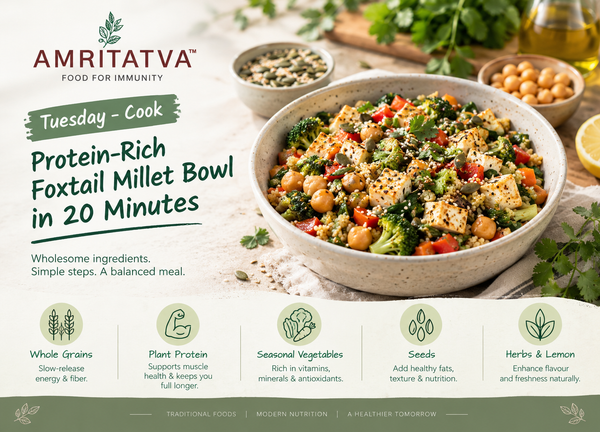
Vegetable dal, khichdi, millet-based meals, soup with pulses or other familiar combinations.
And when the family eats outside? Enjoy the meal and return to your normal routine afterwards.
Consistency does not require every meal to look the same.
Where can Amritatva fit into everyday meals?
At Amritatva, our approach is to make vegan and gluten-free food options practical for everyday Indian households, rather than suggesting that one ingredient can transform someone's diet.
For example, our Oyster Mushroom Powder can be used as an ingredient in dal, soups, vegetables, rice dishes or other recipes where its savoury mushroom flavour fits naturally.
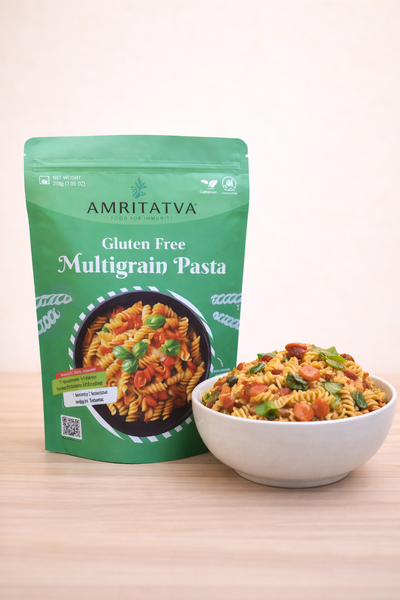
Our gluten-free pasta and noodles can also be used as convenient meal options, while seasoning blends can help add flavour to familiar dishes.
The important principle is the same: products should fit into a balanced eating pattern—not replace one.
What does a sustainable approach look like over a week?
Instead of asking yourself to follow a perfect diet every day, look at your overall week.
You might aim to:
- Eat a variety of vegetables.
- Include different pulses and protein sources.
- Rotate grains such as rice, wheat and millets according to preference and dietary needs.
- Keep fruit available.
- Drink water regularly.
- Reduce frequent sugary beverages.
- Prepare a few ingredients ahead.
- Move your body regularly.
- Get adequate sleep.
- Enjoy social and occasional foods without turning them into a source of guilt.
WHO's current healthy-diet guidance emphasises adequacy, balance, moderation and diversity. These principles are much more useful for long-term eating than a rigid list of “allowed” and “forbidden” foods.
What should you do when your routine goes off track?
You do not need to “start over” every Monday.
A busy week, travel, festival, family event or unexpected work schedule can change your eating and exercise routine. That does not erase the habits you have already built.
Instead, return to the next practical choice.
Drink water.
Prepare a simple meal.
Take a walk.
Add vegetables to the next meal.
Go to bed at a reasonable time.
Small actions can reconnect you with your normal routine without creating an all-or-nothing mindset.
Healthy living is not one perfect day. It is the pattern created by many ordinary days.
Frequently Asked Questions
Is clean eating an official diet?
No. “Clean eating” is not a standardised medical diet with one universally accepted definition. It is more useful to focus on established principles of healthy eating: adequacy, balance, moderation and diversity. WHO recommends a varied diet built around nutritious foods such as vegetables, fruits, pulses and whole grains while limiting excess free sugars, unhealthy fats and sodium.
Do I have to stop eating packaged or processed foods?
No. Processing exists on a spectrum, and not every processed food has the same nutritional profile. Instead of treating all packaged foods as unhealthy, look at the overall diet, ingredient list, nutrition information and portion. A practical approach is to include a wide variety of nutritious foods while limiting foods that are high in free sugars, unhealthy fats or excess sodium.
Can I eat Indian food while following a healthy lifestyle?
Absolutely. Indian meals can provide a wide variety of grains, pulses, vegetables, fruits, nuts and seeds. Dal, chana, rajma, vegetables, rice, roti, millet-based dishes and many traditional preparations can fit into a balanced eating pattern. The focus should be on overall variety, appropriate portions and individual nutritional needs—not on replacing Indian food with expensive “health foods.”
How much exercise should adults aim for each week?
WHO recommends adults get 150–300 minutes of moderate-intensity aerobic activity per week, or an equivalent amount of vigorous activity. Adults should also include muscle-strengthening activities involving the major muscle groups on at least two days per week. People who are currently inactive can begin with smaller amounts and gradually increase their activity.
Does healthy eating mean I can never enjoy sweets or restaurant food?
No. A sustainable eating pattern can include social meals and occasional foods. Healthy eating is about the overall pattern rather than demanding perfection at every meal. If most everyday meals are varied and balanced, an occasional celebration or restaurant meal does not need to become a reason for guilt or an “all-or-nothing” reset.
How can I start clean eating without changing everything?
Start with two or three realistic habits. For example, keep water available, add a vegetable to one regular meal, prepare one ingredient ahead and take a short daily walk. Once these habits become easier, add another. The aim is to create a routine that fits your work, family, budget, food preferences and activity level rather than following a plan that is difficult to maintain.
0 comments