

Some changes in food habits are dramatic. Others are almost invisible.
You start choosing simpler meals. You notice portion sizes. You include more vegetables. You stop eating in a rush.
Over time, these small changes can make your food routine feel more comfortable and more manageable.
The original concept for this post described a customer transformation from bloating to lighter eating. Because no verified customer story was provided, we should not present a made-up personal experience as a real testimonial.
Instead, we can talk honestly about what a practical lighter-eating approach can look like.
What does lighter eating mean?
Lighter eating does not mean eating as little as possible.
It can simply mean choosing meals that feel comfortable for your routine and avoiding the habit of eating far beyond what you need.
It can also mean reducing unnecessary complexity in meals.
For example, a simple plate of dal, rice and vegetables may feel more practical than a meal made from multiple heavy preparations.
Does lighter eating mean avoiding carbohydrates?
No.
Rice, roti, millets, potatoes and other carbohydrate-containing foods can all be part of balanced meals.
The focus should be on the overall meal.
A simple combination of carbohydrate, protein, vegetables and suitable fats can create a more complete plate than eliminating one food group entirely.
How can portions affect comfort?
Portions matter because even nutritious food can feel excessive when eaten in large quantities.
Instead of following rigid portion rules, pay attention to how much food feels appropriate for you.
Eating slowly can also make it easier to notice when you have had enough.
Mindful eating is not about eating perfectly. It is about paying attention.
What foods can make everyday meals simpler?
Indian kitchens already have many foods that can be used in simple combinations.
For example:
- Dal
- Khichdi
- Rice
- Millet roti
- Seasonal vegetables
- Curd, if consumed
- Chana
- Sattu
- Nuts and seeds
- Mushroom preparations
The common feature is versatility.
One ingredient can often be used across several meals.
Why can simple meals be easier to sustain?
Complicated food routines require more planning.
If every meal depends on a special recipe, it becomes harder to maintain the habit.
A simpler routine might involve a few dependable meals that can be prepared repeatedly.
For example:
Breakfast: Sattu drink + fruit
Lunch: Dal + rice + seasonal vegetables
Dinner: Vegetable and mushroom preparation + millet or roti
This does not mean every day should look identical.
It simply gives you a reliable foundation.
Can lighter eating include snacks?
Yes.
Snacking is not automatically a problem.
The more useful question is what you are eating, why you are eating and whether the portion fits your routine.
Nuts, roasted ingredients, fruit or other simple snacks can work well between meals.
Avoid turning “clean eating” into fear of all snacks.
What if you experience frequent bloating?
Frequent or persistent digestive symptoms deserve individual attention.
Food habits can influence how people feel, but bloating can have many causes.
It is not appropriate to assume that one food or one diet is responsible for every digestive symptom.
If the problem is frequent, severe or persistent, professional medical advice is more appropriate than following an online food trend.
How can you make eating feel less stressful?
Remove unnecessary rules.
Instead of asking:
“Is this food completely clean?”
ask:
“Does this fit my overall eating pattern?”
Instead of:
“Can I never eat this again?”
ask:
“How often and in what quantity does this work for me?”
That shift can make eating more practical.
How can Amritatva fit into lighter everyday meals?
Amritatva products can be used as ingredients within a varied meal routine.
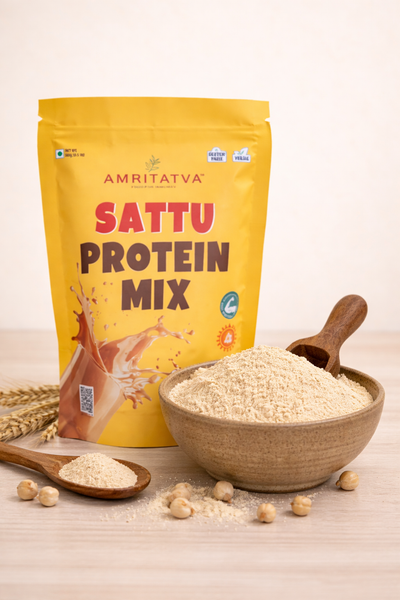
Sattu can be used in drinks and other recipes.
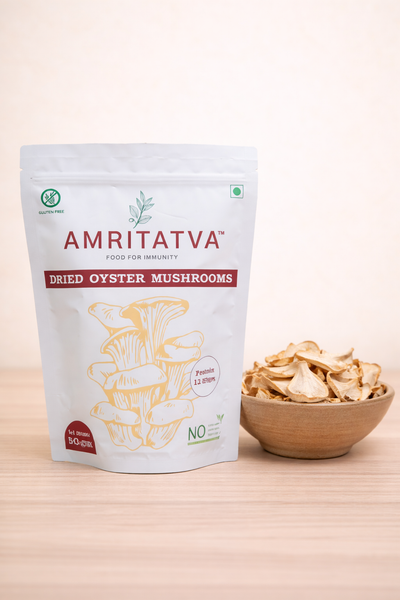
Mushrooms can be added to soups, curries and stir-fries.
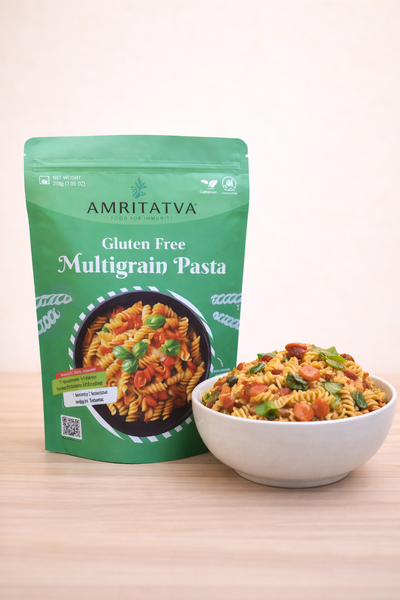
Millet-based noodles or pasta can be combined with vegetables and suitable protein sources.
The goal is not to turn one product into a wellness solution.
It is simply to make useful ingredients easier to use.
Frequently Asked Questions
What is lighter eating?
Lighter eating is not a formal diet. It can refer to choosing simpler meals, balanced portions and foods that feel comfortable within your daily routine. It does not require cutting out entire food groups or eating as little as possible.
Does lighter eating mean eating fewer calories?
Not necessarily. Calorie needs differ between individuals. A better approach is to focus on balanced meals, portion awareness and overall dietary variety rather than trying to minimise food intake without context.
Can rice and roti be part of a light diet?
Yes. Rice and roti can both be part of balanced meals. Pairing them with dal, vegetables or another appropriate protein source can create a more complete meal than removing carbohydrates automatically.
Is bloating always caused by food?
No. Bloating can have many possible causes. Food choices may influence symptoms for some people, but persistent or severe symptoms should be discussed with a qualified healthcare professional.
Comfort, not perfection
A sustainable eating routine should not feel like punishment.
You can choose simpler meals without becoming afraid of food.
You can pay attention to portions without counting every bite.
You can make better choices without expecting every meal to be perfect.
At Amritatva, we believe wellness becomes more meaningful when it fits real life.
Less restriction. More awareness. More ease.
0 comments