

10 Clean Eating Mistakes You Are Probably Making
Clean eating should make everyday nourishment simpler—not turn every meal into a set of strict rules.
Many people start eating healthier with good intentions, but sometimes those intentions become overly restrictive. Cutting out entire food groups, skipping meals or constantly worrying about calories can make healthy eating difficult to maintain.
A more practical approach is to focus on balance, variety and consistency.
Here are 10 common clean-eating mistakes—and what you can do instead.
1. Skipping meals
Skipping meals may seem like an easy way to reduce food intake, but it can make regular eating patterns harder to maintain.
Instead, build simple meals around foods that keep you satisfied, such as whole grains, pulses, vegetables, fruits, nuts and seeds.
The goal is not to eat as little as possible. It is to create a routine that works for your day.
2. Being afraid of carbohydrates
Carbohydrates are sometimes treated as something that should automatically be avoided.
But foods such as rice, millets, oats, potatoes, fruits and whole grains can all be part of a balanced diet.
Rather than eliminating carbohydrates completely, consider the type, portion and overall meal.
For an Indian meal, dal with rice, millet roti with vegetables, or a vegetable khichdi can all be practical combinations.
3. Eating too many “healthy” snacks
A food being marketed as healthy does not mean you need unlimited amounts of it.
Nuts, seeds, energy bars, roasted snacks and other nutritious foods can still contribute significant calories when eaten in large quantities.
Pay attention to portions and eat according to your hunger and routine.
4. Forgetting about hydration
Food often gets all the attention when people begin improving their diet, while everyday hydration is overlooked.
Keep water easily accessible throughout the day and make it a regular part of your routine.
Depending on your preferences, unsweetened beverages such as plain water, lemon water or traditional beverages can also add variety.
5. Following every nutrition trend
One week it may be a new superfood. The next week it may be a completely different diet.
Constantly changing your eating habits can make it difficult to understand what actually works for you.
Before following a trend, ask:
Is it practical? Is it balanced? Can I maintain it for the long term?
A simple eating pattern that you can follow consistently is often more useful than a complicated short-term plan.
6. Avoiding all natural fats
Not all fats need to be removed from your diet.
Nuts, seeds and other foods naturally contain fats along with other nutrients. Oils and fats can also be part of everyday cooking when used appropriately.
The focus should be on overall dietary balance rather than treating every source of fat as something to avoid.
7. Not paying attention to protein
Protein is an important part of a balanced diet, but many people focus so much on avoiding foods that they forget to include adequate protein sources.
Indian diets offer many options, including:
- Dal and pulses
- Chana
- Rajma
- Soy-based foods
- Milk and dairy products, if consumed
- Nuts and seeds
- Sattu
- Mushrooms as part of a varied meal
Try to include a suitable protein source in your regular meals rather than relying only on occasional high-protein products.
8. Depending entirely on supplements
Supplements can have a role in specific situations, but they should not automatically replace a varied diet.
Whole foods provide a combination of nutrients and can form the foundation of everyday eating.
If you think you need a particular supplement because of a deficiency or health concern, discuss it with a qualified healthcare professional rather than self-prescribing.
9. Becoming obsessed with calorie counting
Understanding portions can be useful, but constantly calculating every calorie can make eating stressful for some people.
Food is more than a number.
Pay attention to the overall quality and variety of your meals, your hunger and fullness cues, and how practical your eating pattern is for your lifestyle.
If calorie tracking is useful for your specific goal, use it as a tool—not as a reason to fear food.
10. Expecting instant results
Perhaps the biggest mistake is expecting healthy habits to produce dramatic results immediately.
Changing your eating pattern takes time.
Instead of asking, “How quickly will I see results?”, try asking:
“Can I realistically continue this routine?”
Consistent habits such as eating balanced meals, staying hydrated, getting adequate sleep and staying physically active can matter more for long-term lifestyle changes than short periods of extreme restriction.
What does balanced clean eating actually look like?
Clean eating does not need to mean eating perfectly.
A practical Indian meal can be simple:
A grain or millet + a protein source + vegetables + appropriate fats
For example:
- Dal + rice + seasonal vegetables
- Millet roti + dal + sabzi
- Vegetable khichdi + curd, if consumed
- Sattu drink + fruit + nuts
- Vegetable and mushroom preparation + a grain or millet
There is no single perfect meal or perfect diet.
Your food choices will depend on your preferences, culture, budget, activity level and individual nutritional needs.
How can you make healthy eating more sustainable?
Start small.
Instead of changing everything at once, choose two or three habits that are realistic for you.
For example:
Plan: Decide a few simple meals before grocery shopping.
Prepare: Keep basic ingredients such as dal, grains, spices, nuts and vegetables available.
Balance: Include different food groups instead of eliminating entire categories without a reason.
Stay consistent: Allow your routine to fit real life rather than expecting perfection every day.
Be flexible: One meal does not define your overall eating pattern.
Can Amritatva products fit into a balanced eating routine?
Yes. The idea is to use them as convenient ingredients within an overall varied diet.
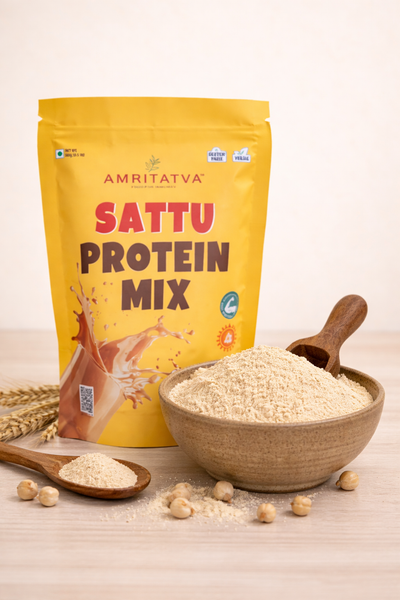
Amritatva Sattu Protein Mix can be used in smoothies, traditional sattu drinks and savoury preparations.
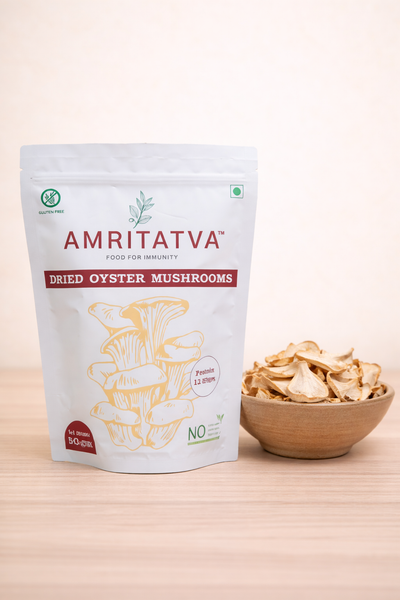
Dried Oyster and Shiitake Mushrooms can be added to curries, soups, stir-fries and other everyday recipes.
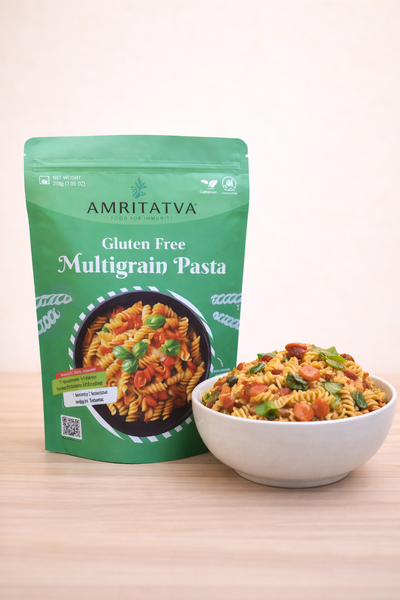
Millet Noodles and Pasta can be combined with vegetables and other ingredients to create simple meals.
The important thing is not to treat one product as a complete solution to healthy eating. It is about how individual foods fit into your overall routine.
Frequently Asked Questions
Is clean eating the same for everyone?
No. Eating patterns differ according to individual needs, culture, preferences, budget and lifestyle. There is no single definition that works perfectly for everyone.
Should I completely stop eating carbohydrates?
Not necessarily. Carbohydrates are found in many nutritious foods, including grains, millets, fruits and vegetables. Rather than automatically eliminating them, focus on overall balance and appropriate portions.
Are healthy snacks okay?
Yes. Foods such as nuts, seeds and roasted snacks can fit into a balanced eating pattern. However, portion sizes still matter.
Do I need supplements to eat healthy?
Not necessarily. A varied diet can provide many essential nutrients. Some people may require supplements for specific nutritional needs, so professional advice is appropriate when supplementation is being considered.
How long does it take to build healthy eating habits?
There is no fixed timeline. The most useful approach is to introduce realistic changes gradually and make them part of your regular routine.
Healthy eating does not have to be perfect
The healthiest routine is not necessarily the strictest one.
You do not need to fear carbohydrates, eliminate every packaged food or count every calorie to make better food choices.
Start with balanced meals. Include variety. Drink enough water. Choose foods you genuinely enjoy. And give yourself time to build habits that fit your real life.
At Amritatva, we believe wellness should feel practical, balanced and sustainable—not stressful or restrictive.
0 comments