

In a world where protein, calories and supplements often dominate nutrition conversations, fibre is easy to overlook.
Yet fibre is an important part of a balanced diet and is naturally present in many foods that already belong in Indian kitchens.
From lentils and chickpeas to millets, fruits, vegetables, nuts and seeds, fibre can come from simple everyday ingredients.
The important point is not to treat fibre as a miracle nutrient. It is to understand its role and include a variety of fibre-containing foods regularly.
What is dietary fibre?
Dietary fibre is a type of carbohydrate found naturally in plant foods that the body does not fully digest.
Different types of fibre behave differently in the body, which is one reason variety matters.
Good sources include:
- Lentils and pulses
- Chickpeas
- Millets
- Oats
- Fruits
- Vegetables
- Nuts
- Seeds
A meal does not need to be complicated to contain fibre.
Why is fibre important?
Fibre contributes to normal digestive function and can help add bulk to the diet.
Some types of fibre also interact with the gut microbiome, providing food for certain beneficial bacteria.
Fibre can also help make meals more filling, which may be useful when planning balanced meals.
But the amount of fibre a person needs varies, and increasing intake gradually is usually more comfortable than making a sudden dramatic change.
Which Indian foods are naturally rich in fibre?
Indian cuisine already provides many options.
Dal is an obvious example.
So are chickpeas, beans, vegetables, fruits, whole grains and millets.
A simple meal such as dal + millet roti + vegetables can bring together several fibre-containing foods without requiring special products.
Are millets a good source of fibre?
Many whole millets contain dietary fibre.
The exact amount depends on the grain, processing and serving size.
This is why the nutritional profile of the actual product or ingredient matters.
At Amritatva, millets are part of our broader interest in bringing familiar Indian grains into modern food formats.
Do mushrooms contain fibre?
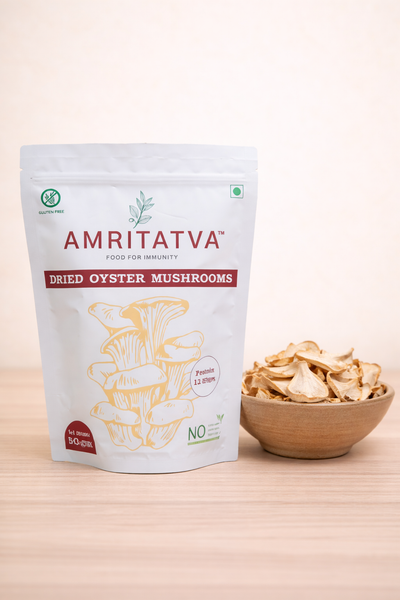
Mushrooms contain dietary fibre, including certain compounds that can contribute to the overall fibre content of the diet.
But again, mushrooms should be considered one part of a varied eating pattern rather than a standalone nutrition solution.
Can fibre help with fullness?
Fibre-rich foods can contribute to satiety, particularly when they are part of meals that also contain protein, healthy fats and other nutrients.
For example, a meal of dal, vegetables and millet is more complete than focusing on a single nutrient in isolation.
How much fibre should you eat?
Individual needs vary according to age, sex, energy needs and other factors.
Rather than obsessing over a single number, it can be more useful to look at your food pattern.
Are you eating vegetables regularly?
Are pulses part of your meals?
Do you include fruits, nuts, seeds or whole grains?
These simple questions can reveal whether your diet has enough variety.
How can you increase fibre gradually?
Start with small changes.
Add fruit to breakfast.
Choose whole grains or millets more often.
Include dal or beans with lunch.
Add vegetables to dinner.
Keep nuts or seeds as part of suitable snacks.
Drink enough fluids as you increase fibre intake.
Can too much fibre be uncomfortable?
Yes.
Increasing fibre very quickly may cause digestive discomfort for some people.
That is why gradual changes and adequate fluid intake are practical.
People with certain digestive conditions may also need individual dietary advice.
How does fibre fit into plant-based eating?
Many plant foods naturally provide fibre, which makes fibre a natural part of many vegetarian and plant-based eating patterns.
This is another reason variety matters.
Different pulses, grains, fruits and vegetables provide different nutrients.
How can Amritatva ingredients fit into fibre-rich meals?
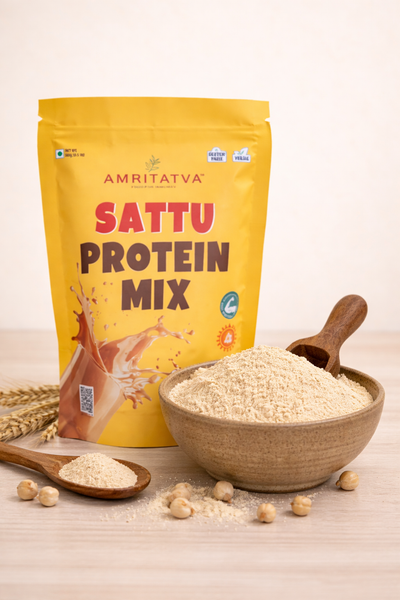
Sattu made from roasted gram can contribute fibre and protein depending on the formulation.
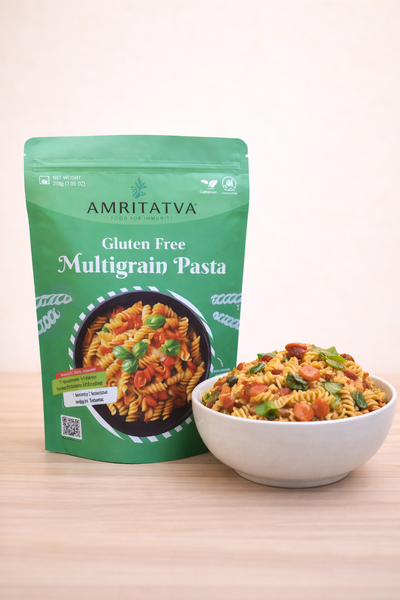
Millet-based foods can provide fibre depending on the specific grain and product.
Mushrooms can also contribute to overall dietary variety.
These ingredients work best as components of balanced meals, not as substitutes for the entire diet.
Frequently Asked Questions
Is fibre only important for digestion?
No. Fibre has several roles in the diet, including contributing to digestive function, fullness and the nourishment of certain gut microbes.
Which foods are highest in fibre?
Pulses, legumes, whole grains, vegetables, fruits, nuts and seeds are useful sources. The exact fibre content varies by food and serving size.
Can children eat fibre-rich foods?
Yes, fibre-containing foods can be part of a child's varied diet. Portions and nutritional needs vary with age, so individual guidance may be appropriate.
Should I suddenly increase fibre intake?
A gradual increase is usually more comfortable, particularly if your current intake is low.
Fibre does not need a marketing campaign
It is already present in many of the foods that traditional Indian kitchens have used for generations.
At Amritatva, we believe better nutrition often starts with understanding simple ingredients and building variety into everyday meals.
Eat a little more variety. Choose a little more naturally.
0 comments