

“Leaky gut” is commonly used to describe increased intestinal permeability—the idea that the intestinal barrier may become more permeable than it should be. However, leaky gut syndrome is not currently a recognised formal medical diagnosis, and symptoms such as bloating, fatigue or brain fog cannot by themselves confirm that someone has it.
The intestinal lining is designed to act as a selective barrier. It allows nutrients and other substances to pass through while helping keep unwanted material from entering the body. Changes in this barrier have been associated with certain gastrointestinal and other conditions, but researchers are still studying exactly when increased permeability contributes to disease and when it is a consequence of another condition.
So instead of looking for a quick “leaky gut cure,” it is more useful to understand the science and build everyday habits that support overall digestive health.
What does “leaky gut” actually mean?
The intestine is not supposed to be a completely sealed pipe. Its lining is selectively permeable, meaning it controls what moves between the digestive tract and the rest of the body.
The term “leaky gut” generally refers to increased intestinal permeability. This can involve changes in the intestinal barrier and its tight junctions.
Importantly, some degree of intestinal permeability is normal. The problem is that the popular phrase “leaky gut syndrome” is often used much more broadly than the scientific evidence supports. A 2024 review notes that it is not currently accepted as a formal medical diagnosis and that there is no validated test that can simply confirm “leaky gut syndrome.”
That distinction matters because digestive symptoms can have many different causes.
Is leaky gut an actual medical diagnosis?
No—not in the way conditions such as celiac disease, inflammatory bowel disease or IBS are diagnosed.
Research does recognise intestinal barrier dysfunction and increased intestinal permeability as biological phenomena. They have been studied in conditions including inflammatory bowel disease, celiac disease and some other gastrointestinal disorders.
But having bloating, constipation, loose stools or food-related discomfort does not automatically mean that a person has a “leaky gut.”
There is also no single routine blood or stool test that can reliably diagnose the popular “leaky gut syndrome.”
This is why persistent or unexplained digestive symptoms deserve proper medical evaluation rather than self-diagnosis.
What symptoms are associated with “leaky gut”?
Bloating, abdominal discomfort, diarrhoea, constipation and other digestive symptoms are often listed online as signs of leaky gut. However, these symptoms are not specific enough to identify increased intestinal permeability.
For example, bloating can occur for many reasons, including dietary factors, constipation, food intolerances, IBS and other digestive conditions.
Similarly, fatigue or changes in concentration have many possible explanations and should not automatically be attributed to intestinal permeability.
A 2024 review specifically cautions that the long list of symptoms commonly attributed to leaky gut does not establish that those symptoms are directly caused by increased intestinal permeability.
Symptoms vs what they actually tell you
| Symptom or claim | What it tells us |
|---|---|
| Bloating | Common digestive symptom with many possible causes |
| Abdominal discomfort | Can occur with several gastrointestinal conditions |
| Diarrhoea or constipation | May have many dietary, functional or medical causes |
| Food sensitivity | Does not by itself prove increased intestinal permeability |
| Fatigue | Non-specific; many possible causes |
| “Brain fog” | Not a validated indicator of leaky gut |
| Increased intestinal permeability | A measurable research concept, but not equivalent to a “leaky gut syndrome” diagnosis |
The takeaway is simple: a symptom is a reason to understand what is happening—not a reason to assume the diagnosis.
What can affect intestinal barrier function?
The relationship between food, the gut microbiome, intestinal barrier function and health is complex.
Research has linked altered intestinal permeability with certain gastrointestinal diseases and inflammatory conditions. However, it is not accurate to say that one particular food, sugar, stressor or lifestyle habit is universally responsible for “leaky gut.”
The gut is influenced by the overall dietary pattern, the gastrointestinal environment, microbiota, medications, underlying diseases and other factors.
This is one reason evidence-based nutrition focuses less on a single “healing food” and more on the overall pattern of eating.
Can fibre support a healthy gut?
Yes, fibre is an important part of a balanced diet and interacts with the gut microbiota.
The World Gastroenterology Organisation notes that dietary fibre can influence the gastrointestinal environment and microbiota, with some types of fibre being fermented by gut bacteria and contributing to the production of short-chain fatty acids. However, the relationship between fibre, microbiota and specific health outcomes is complex and continues to be studied.
For an Indian household, useful sources can include:
- Dal and other pulses
- Chana and rajma
- Vegetables
- Fruits
- Nuts and seeds
- Whole grains
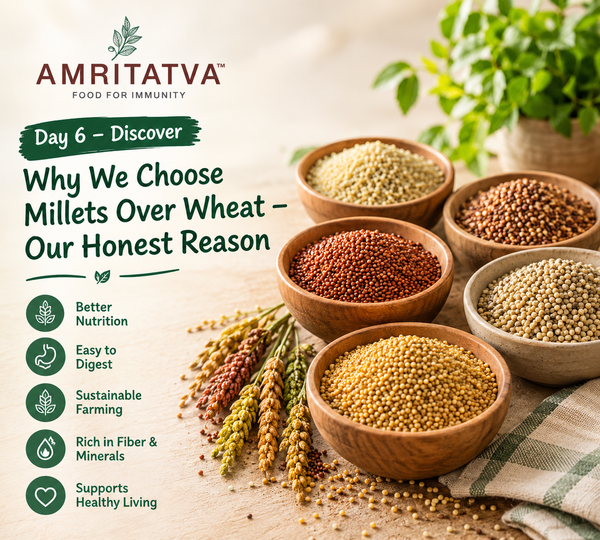
- Millets
The practical goal is not to suddenly eat very large amounts of fibre. Gradually increasing fibre while maintaining adequate fluid intake is generally a more comfortable approach.
Are fermented foods the same as probiotics?
Not necessarily.
Fermented foods have an important place in many Indian food traditions, including foods made through fermentation of grains, vegetables or dairy.
However, the terms fermented food and probiotic should not automatically be treated as synonyms. According to the World Gastroenterology Organisation, a probiotic refers to a live microorganism that has demonstrated a health benefit when administered in adequate amounts. Benefits can also be strain- and condition-specific.
So rather than saying that every homemade pickle, curd or fermented food “heals the gut,” it is more accurate to enjoy suitable fermented foods as part of a varied diet.
What does a gut-supportive Indian diet look like?
There is no single “gut-healing diet” that works for everyone.
A practical Indian approach is to build meals around variety, adequacy and balance.
For example:
Breakfast:
Vegetable poha, idli with sambar, millet upma or a balanced bowl of dalia/other suitable whole grains.
Lunch:
Dal + rice or roti + seasonal vegetables + a suitable side.
Evening:
Fruit, roasted chana, nuts or another simple snack depending on individual needs.
Dinner:
Khichdi with vegetables and dal, dal-sabzi with roti, or rice with a vegetable and protein source.
For people who need a gluten-free diet, the choice of grains needs additional attention. Rice, millets, legumes and other naturally gluten-free foods can be useful options, but gluten-free does not automatically mean nutritionally superior.
What about processed and packaged foods?
“Processed” does not automatically mean unhealthy. Many useful foods—such as roasted flour, frozen vegetables, pasteurised milk and canned legumes—are processed in some way.
The more useful habit is to look at the overall food pattern and ingredient list, rather than treating every packaged food as harmful.
For everyday eating, many people can benefit from making minimally processed foods such as vegetables, fruits, pulses, grains, nuts and seeds regular parts of their meals, while keeping highly processed foods that are high in added sugar, salt or saturated fat within a balanced dietary pattern.
The World Gastroenterology Organisation also emphasises that diet interacts with the gastrointestinal tract in complex ways, and dietary approaches should consider the individual and the specific gastrointestinal condition involved.
How can you support digestive health without chasing a “gut-healing” cure?
Instead of looking for one food or supplement to “repair” your gut, focus on sustainable habits:
- Eat a varied diet with vegetables, fruits, pulses, grains, nuts and seeds.
- Include fibre-rich foods regularly, increasing them gradually if your current intake is low.
- Stay adequately hydrated.
- Choose foods based on your individual tolerance.
- Read food labels rather than judging foods only by marketing terms such as “natural” or “clean.”
- Avoid unnecessary restrictive diets unless medically indicated.
- Stay physically active and maintain regular daily routines.
- Prioritise adequate sleep and stress management.
- Seek medical advice for persistent, severe or unexplained digestive symptoms.
These habits support overall nutrition and digestive health; they should not be presented as a guaranteed treatment for increased intestinal permeability.
How can this apply to an Indian kitchen?
The simplest approach is to make the everyday plate more varied rather than searching for a special “gut-healing” ingredient.
Try building meals around:
1. A carbohydrate source
Rice, millet, potatoes or another suitable grain.
2. A protein source
Dal, chana, rajma, soy, peas, nuts or seeds.
3. Vegetables
Use seasonal vegetables in sabzi, sambar, soups or khichdi.
4. Fibre-rich additions
Fruits, vegetables, pulses, whole grains, nuts and seeds.
5. Flavour without unnecessary complexity
Traditional spices and herbs can make simple meals enjoyable without turning the meal into a “detox” recipe.
For busy working families, the most sustainable strategy is often better meal structure rather than stricter food rules.
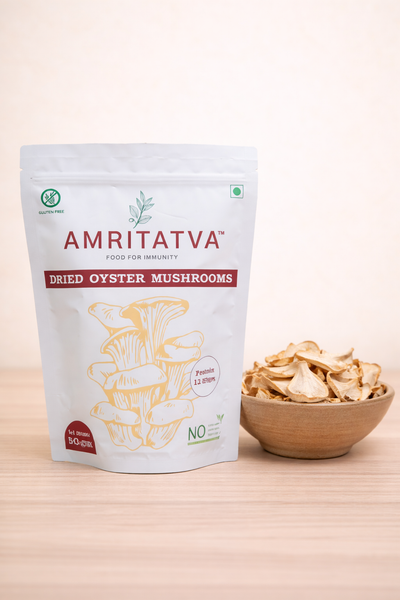
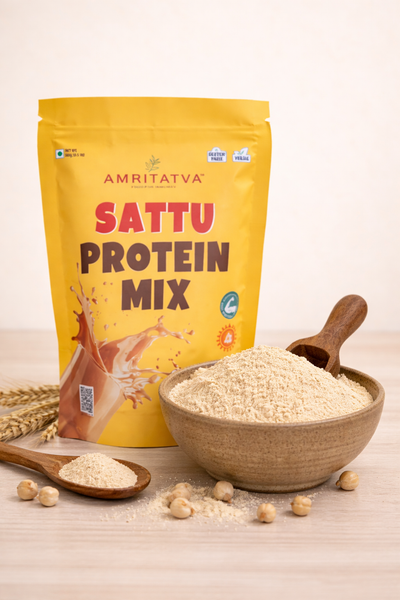
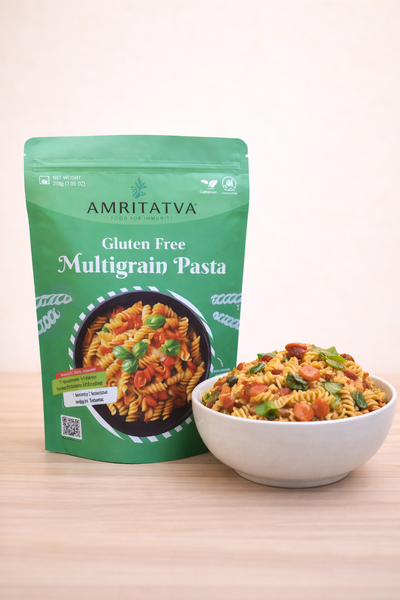
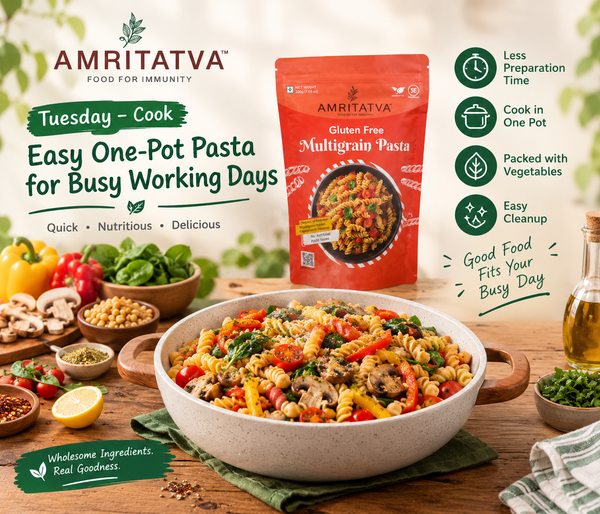
Amritatva follows a similar principle in its food approach: simple, plant-based, gluten-free products can be incorporated into familiar meals when they fit an individual's dietary needs and preferences. They are not positioned as a treatment for “leaky gut.”
When should you speak to a doctor?
If bloating, abdominal pain, diarrhoea, constipation, unexplained weight changes or other digestive symptoms persist, recurring symptoms should not simply be labelled as “leaky gut.”
There can be many possible causes, and appropriate evaluation may involve your medical history, diet, medications and, when necessary, further testing. Harvard Health similarly recommends medical assessment for persistent intestinal symptoms rather than assuming that leaky gut is the explanation.
The goal should be to identify the actual cause rather than follow an unproven “gut-healing” protocol.
FAQs
1. Is leaky gut syndrome a real medical condition?
Increased intestinal permeability is a real area of scientific research, but “leaky gut syndrome” is not currently recognised as a formal medical diagnosis. Research has associated altered intestinal barrier function with certain gastrointestinal conditions, but symptoms alone cannot establish that someone has a leaky gut.
2. Can you heal a leaky gut naturally?
There is no scientifically established universal “natural cure” for leaky gut syndrome. A better approach is to identify and manage any underlying medical condition and maintain a varied, balanced diet, adequate fibre, hydration, movement and other healthy lifestyle habits. Persistent digestive symptoms should be evaluated by a qualified healthcare professional.
3. Does bloating mean I have a leaky gut?
No. Bloating is common and can have many causes, including dietary factors, constipation, IBS, food intolerance and other gastrointestinal conditions. It is not a reliable way to diagnose increased intestinal permeability. If bloating is persistent, severe or accompanied by other concerning symptoms, medical evaluation is appropriate.
4. Are probiotics good for gut health?
Some specific probiotic strains have demonstrated benefits for particular conditions, but probiotics are not interchangeable and their effects depend on the strain, dose and health situation. The World Gastroenterology Organisation recommends evaluating probiotic evidence for specific uses rather than assuming every probiotic product provides the same benefit.
5. Is curd a probiotic food?
Curd can contain live microorganisms, but not every fermented food automatically meets the scientific definition of a probiotic. A probiotic must contain a live microorganism demonstrated to provide a health benefit when given in an adequate amount. Therefore, it is better not to describe every curd or fermented food as a proven probiotic treatment.
6. What foods should I eat for better gut health?
There is no single list of “gut-healing foods.” A practical pattern includes a variety of vegetables, fruits, pulses, suitable whole grains, nuts and seeds, along with adequate fluids. Individual tolerance matters too. For people with a diagnosed digestive condition, dietary choices may need to be personalised with a doctor or registered dietitian.
7. Is a gluten-free diet good for everyone?
No. Gluten-free eating is medically necessary for people with conditions such as celiac disease, but it is not automatically healthier for everyone. Gluten-free products can vary considerably in their nutritional composition. The appropriate diet depends on the individual's health needs and overall dietary pattern.
A healthy gut is not built around one miracle ingredient or a strict “detox.” It is supported by an overall pattern of adequate, varied nutrition and by understanding when digestive symptoms need proper medical evaluation.
For Amritatva, that means keeping the conversation practical: familiar Indian foods, thoughtfully chosen ingredients, clear labels and nutrition without exaggerated health promises.

0 comments