

The conversation around food is changing.
People are thinking not only about nutrition and taste, but also about where ingredients come from, how food is produced and how their choices fit into a more sustainable lifestyle.
Plant-based eating is part of that conversation.
But sustainability is more complicated than simply saying that one diet is always better.
Food systems involve ingredients, farming, processing, transport, packaging, waste and consumption patterns.
What does plant-based eating mean?
A plant-based diet generally places greater emphasis on foods derived from plants.
This can include:
- Vegetables
- Fruits
- Pulses
- Grains
- Nuts
- Seeds
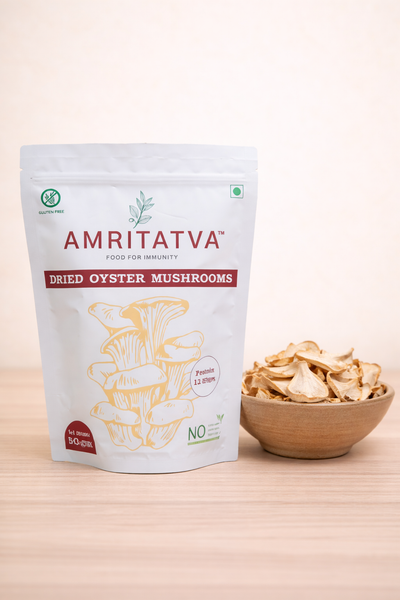
- Mushrooms
Some people follow fully vegan diets, while others simply eat more plant-based meals without eliminating animal foods entirely.
Why is plant-based eating becoming more popular?
Several factors are contributing to the trend.
Consumers are exploring new dietary preferences.
People are also looking for foods that feel familiar, affordable, convenient and aligned with their personal values.
For some, the motivation is nutrition.
For others, it is environmental concern.
For many, it is simply variety.
Is a plant-based diet automatically sustainable?
Not necessarily.
Sustainability depends on more than whether a food comes from a plant.
The ingredient, farming system, processing, transport, packaging and food waste all matter.
A locally available food with simple processing may have a very different footprint from another plant-based product that is highly processed and transported across long distances.
This is why sustainability conversations need context.
What role do millets and pulses play in India?
Indian food traditions already include many plant-forward ingredients.
Millets, lentils, chickpeas, beans, vegetables and seeds have long been part of regional cuisines.
This makes it possible to create plant-based meals without depending entirely on newly invented foods.
A dal-based meal, millet roti with vegetables or a chickpea salad can all fit comfortably into a modern plant-forward routine.
Where do mushrooms fit?
Mushrooms are popular in modern plant-forward cooking because they bring savoury flavour and a meaty texture to many dishes.
They can be used in:
- Curries
- Soups
- Stir-fries
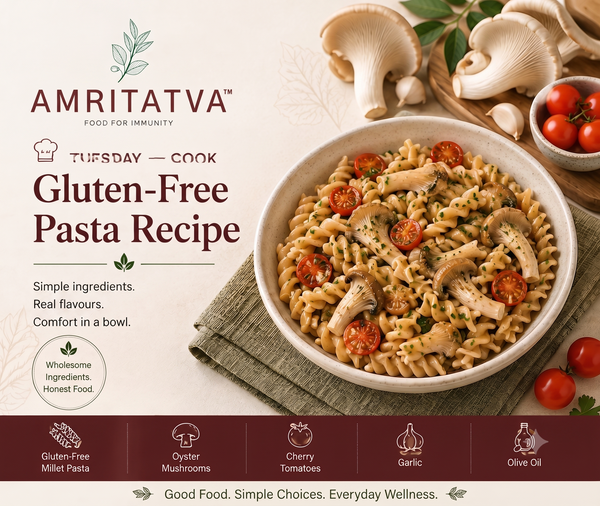
- Pasta
- Noodles
- Rice dishes
This versatility makes them useful for consumers looking to add more variety to plant-based meals.
Does plant-based always mean highly processed?
No.
A plant-based meal can be as simple as dal, rice and vegetables.
It can also involve packaged foods such as plant-based meat alternatives.
These are very different categories.
This is why “plant-based” alone does not tell you whether a product is minimally processed, highly processed or nutritionally balanced.
What should consumers look for?
Start with the basics.
Read the ingredient list.
Look at the nutrition information.
Consider where the ingredients fit into your overall diet.
Think about packaging and food waste.
And ask whether the product is something you can realistically use regularly.
What can traditional Indian food teach us?
Perhaps the strongest lesson is variety.
Traditional Indian kitchens have never depended on one single “superfood.”
They combine grains, pulses, vegetables, spices, fruits and other ingredients in countless ways.
That diversity can be valuable in modern sustainable-food conversations.
Can sustainability begin with everyday meals?
Yes, but it does not need to become another source of guilt.
You can make small changes:
Choose more seasonal foods.
Reduce unnecessary food waste.
Cook portions you are likely to finish.
Use ingredients in more than one meal.
Include more plant-based meals when they suit your household.
Small decisions can be more practical than chasing perfection.
How does Amritatva fit into plant-based food?
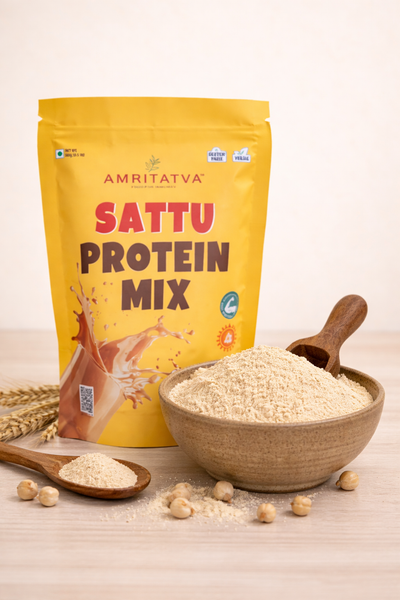
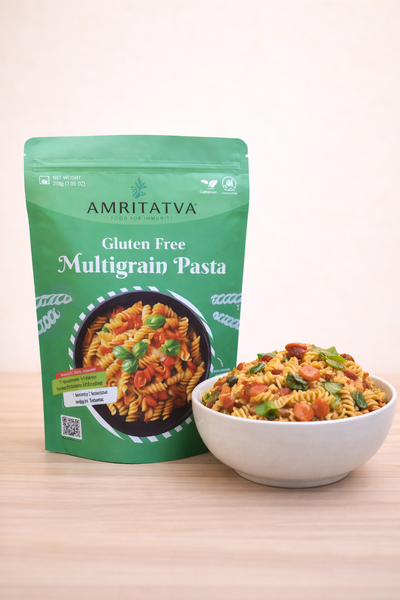
Amritatva works with ingredients such as mushrooms, millets and roasted gram to create familiar formats for modern kitchens.
Our focus is on making these ingredients practical.
A mushroom powder can be used in a soup.
Millets can become pasta or noodles.
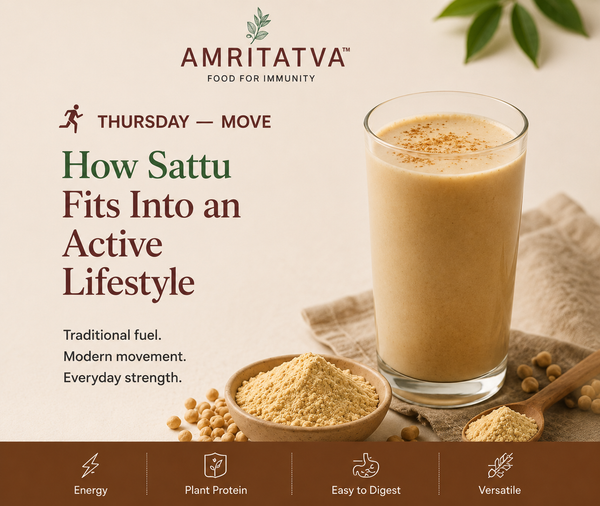
Sattu can become a drink or smoothie.
Frequently Asked Questions
Is a vegan diet the same as a plant-based diet?
Not always. “Vegan” generally refers to avoiding animal-derived foods, while “plant-based” can describe a diet that emphasises plant foods but may or may not be completely vegan.
Are all plant-based foods environmentally friendly?
No. Environmental impact depends on many factors, including production, processing, transport, packaging and waste.
Can Indian food be naturally plant-based?
Yes. Indian cuisine contains many traditional plant-based meals centred around pulses, grains, vegetables, fruits, nuts and seeds.
What is the easiest way to eat more plant-based?
Start with meals you already enjoy. Replace or add one plant-based meal rather than trying to completely change your diet overnight.
Sustainability is also about practicality
The future of food does not have to mean abandoning tradition.
Sometimes it means looking again at ingredients that have always worked well in our kitchens.
At Amritatva, we believe mindful food choices can bring together nutrition, tradition and practicality.
Better food choices begin with better understanding.
0 comments