

Oyster mushrooms deliver roughly 3.3 g of protein per 100 g fresh weight, a Biological Value of 80 — matching meat — and contain beta-glucans, ergothioneine, and five B vitamins in a single ingredient most Indian kitchens already know as dhingri. That single fact is the short answer. The rest of this guide gives you the science behind it and shows you how to actually use them every day.
- Oyster mushrooms (dhingri) contain beta-glucan at 3.2 g per 100 g — a fibre that directly activates your immune system's front-line cells.
- Their Biological Value of 80 is comparable to meat, and far above dal (50-55) or wheat (40-45), making them one of the most protein-efficient whole foods for vegetarians.
- 73% of Indians are protein-deficient (IMRB/ORF 2020) — oyster mushrooms address both protein and micronutrient gaps simultaneously.
- The fruiting body has 2.6x more beta-glucan than mycelium-based supplements.
- You can add oyster mushroom powder to dal, rice, or a glass of sattu water in under 30 seconds — no recipe change needed.
What Are Oyster Mushrooms — and Why Do Indians Call Them Dhingri?
Oyster mushrooms (Pleurotus ostreatus) are the shell-shaped, cream-to-grey fungi found in clusters at vegetable markets across Punjab, Himachal, and Uttarakhand. In Hindi, they go by dhingri or dhingri mushroom. India now produces over 57,120 tonnes of oyster mushrooms per year, with the market expanding at 14.2% CAGR (Frontiers, 2025). That growth is not accidental — oyster mushrooms are cheap to grow, easy to dry, and nutritionally dense in ways most everyday vegetables are not.
They belong to the genus Pleurotus, which means "side ear" in Greek — a nod to how the cap juts sideways from the substrate. Unlike button mushrooms, dhingri grow on agricultural waste like wheat straw and paddy husks, making them one of the most sustainable crops a small Indian farmer can cultivate. The entire fruiting body — cap, gills, stem — is edible and nutritionally active.
Dried dhingri have been used in Indian kitchens for decades, especially in the hills. What is newer is the science confirming exactly why this works so well for health. We now have peer-reviewed data on their protein quality, immune-modulating compounds, and gut effects — and the numbers are genuinely impressive.
Oyster mushroom (Pleurotus ostreatus), known as dhingri in Hindi, is the most widely cultivated edible mushroom in India. India's annual production exceeds 57,120 tonnes and is growing at 14.2% CAGR (Frontiers, 2025). The fruiting body is the nutritionally superior form — it contains 31.66% beta-glucan by dry weight, compared to 12.04% in mycelium-based supplements (RSC Food & Function, 2024). Dhingri is grown on agricultural residues, making it one of the most sustainable and affordable functional foods available in India.
What Does the Nutrition Profile of Oyster Mushrooms Actually Look Like?
Per 100 g fresh weight, oyster mushrooms provide 3.3 g protein with a Biological Value of 80 — comparable to meat (80-85), and significantly higher than chana dal (50-55) or wheat (40-45) (PMC10824988, January 2024). They also deliver 4.956 mg of Niacin (31% of daily value), plus B2, B5, and B7, and even a measurable amount of B12 at 0.3107 mg/kg dry weight. For a plant-based food, that B12 presence is notable.
What sets dhingri apart from most vegetables is not just the macronutrient numbers — it is the compounds that do not appear in any plant at all. Ergothioneine, a sulfur-containing amino acid, is found almost exclusively in mushrooms. Oyster mushrooms contain 2.22 mg/g dry weight, the highest among tested species — shiitake has only 1.02 mg/g (ScienceDirect Food Chemistry, November 2023). Researchers have started calling ergothioneine a "longevity vitamin" because no plant or animal synthesises it; you can only get it from fungi.
The combination of high BV protein, B-complex vitamins, beta-glucan, and ergothioneine in one ingredient is genuinely unusual. Most protein sources do not also come with immune-active fibre. Most fibre sources do not also come with near-complete protein. Oyster mushrooms do both.
How Does Oyster Mushroom Nutrition Compare to Common Indian Vegetables?
| Nutrient | Oyster Mushroom (100g) | Spinach (100g) | Green Peas (100g) | Chana Dal (100g cooked) |
|---|---|---|---|---|
| Protein | 3.3g (BV 80) | 2.9g (BV ~40) | 5g (BV ~55) | 9g (BV 50-55) |
| Niacin (B3) | 4.96mg (31% DV) | 0.72mg | 2.09mg | 0.5mg |
| Fibre | 2.3g | 2.2g | 5.1g | 4.1g |
| Ergothioneine | 2.22 mg/g dw | Trace | None | None |
| Beta-glucan | 3.2g | 0 | 0 | 0 |
Sources: PMC10824988 (2024); ScienceDirect Food Chemistry (Nov 2023); RSC Food & Function (2024); USDA FoodData Central.
Oyster mushrooms (Pleurotus ostreatus) provide 3.3 g protein per 100 g fresh weight with a Biological Value of 80, comparable to meat proteins (PMC10824988, January 2024). They contain 4.956 mg niacin per 100 g (31% of daily value) and 0.3107 mg/kg B12 in dry weight. Uniquely, they are the richest dietary source of ergothioneine at 2.22 mg/g dry weight — a compound not synthesised by any plant or animal (ScienceDirect Food Chemistry, November 2023). This combination of high-quality protein, B vitamins, and fungi-exclusive antioxidants makes oyster mushrooms nutritionally distinct from any vegetable.
How Do Oyster Mushrooms Support Immunity — and What Is Beta-Glucan Actually Doing?
Oyster mushroom fruiting bodies contain 3.2 g of beta-glucan per 100 g fresh weight, and 31.66% beta-glucan by dry weight (RSC Food & Function, 2024). These beta-glucans are not passive fibre — they are recognised by Pattern Recognition Receptors (PRRs) on immune cells, triggering a cascade of measurable immune activity. An 8-week oral supplementation study found that beta-glucan intake increased production of IFN-gamma and IL-12, two key cytokines in the body's front-line defence (PMC11719500, January 2025).
The mechanism is specific. Beta-glucans bind to receptors like Dectin-1 on macrophages, dendritic cells, and NK (natural killer) cells. This binding activates those cells — macrophages become more cytotoxic, NK cells increase their activity against abnormal cells, and dendritic cells improve their signalling to the broader immune system (MDPI Molecules, June 2024). It is not a vague "immune boost." It is a documented chain reaction starting at a specific molecular receptor.
Why does this matter for Indian families specifically? We tend to undereat diverse protein and fibre sources, and our diets are often low in the specific polysaccharides that feed this immune pathway. Adding dhingri — fresh, dried, or as powder — is one of the few food-form ways to deliver beta-glucan in meaningful amounts without a supplement.
Beta-glucans in Pleurotus ostreatus fruiting bodies constitute 31.66% of dry weight — 2.6 times higher than mycelium-based supplements at 12.04% (RSC Food & Function, 2024). These polysaccharides activate macrophages, NK cells, and dendritic cells through Pattern Recognition Receptors (PRRs), particularly Dectin-1. An 8-week oral beta-glucan supplementation study documented significant increases in IFN-gamma and IL-12 production and enhanced cytotoxic activity of macrophages (PMC11719500, January 2025; MDPI Molecules, June 2024). The fruiting body form — not mycelium — delivers the clinically relevant beta-glucan dose.
What Do Oyster Mushrooms Do for Gut Health?
Pleurotus ostreatus produces a significant bifidogenic effect — meaning it increases populations of Bifidobacterium in the gut (Springer Nature, 2025; PMC12195508, June 2025). This matters because Bifidobacterium species are consistently associated with lower gut inflammation, better digestion, and stronger immunity. The effect comes from beta-glucan fermentation in the colon, which produces short-chain fatty acids — acetate, propionate, and butyrate — that lower gut pH and inhibit pathogen growth.
Fungal beta-glucans shorten the lag phase of lactic acid bacteria growth and increase their growth rate (PMC12195508, June 2025). In practical terms, your gut's beneficial bacteria colonise faster and more efficiently when beta-glucan from mushrooms is present as a substrate. It acts as a fertiliser for the microbiome's beneficial bacteria.
Most prebiotic conversations in India focus on curd, buttermilk, and fermented foods. Those are excellent — they work primarily by introducing live bacteria. Oyster mushrooms work differently: they feed and accelerate the bacteria already present. The two approaches are complementary. Having both in your diet covers more ground than either alone.
Butyrate, produced during this fermentation, also plays a role in maintaining the gut lining. A leaky gut lining allows bacterial fragments into circulation, triggering systemic inflammation. Butyrate helps seal those tight junctions — which is one reason researchers are increasingly interested in dietary beta-glucan as an adjunct to managing inflammatory gut conditions.
Pleurotus ostreatus beta-glucans produce a documented bifidogenic effect — a statistically significant increase in Bifidobacterium populations in the gut (Springer Nature, 2025; PMC12195508, June 2025). Fermentation of these beta-glucans generates short-chain fatty acids (SCFAs) — acetate, propionate, and butyrate — which lower colonic pH and inhibit pathogen growth. Fungal beta-glucans also shorten the lag phase and increase growth rate of lactic acid bacteria. This makes oyster mushrooms a functionally distinct prebiotic, acting on resident gut bacteria rather than introducing new strains.
Why Are Oyster Mushrooms Especially Valuable for Indian Families?
Seventy-three percent of Indians do not meet their daily protein requirement, according to an IMRB survey cited by the Observer Research Foundation (ORF, 2020). The average Indian adult consumes 0.6 g of protein per kg of body weight per day — against the ICMR recommendation of 0.8-1 g/kg. For a 60 kg adult, that translates to missing 12-24 g of protein every single day. And most of that shortfall is in the quality of protein, not just the quantity.
This is where the Biological Value figure matters. When chana dal has a BV of 50-55, it means that for every 100 g of protein consumed, only 50-55 g is actually retained and used by the body. For oyster mushrooms at BV 80, that number is substantially higher. Adding oyster mushrooms to a dal or rice dish upgrades the overall protein quality of the meal without replacing anything you already cook.
The niacin story is equally important in the Indian context. Subclinical B3 deficiency still shows up in populations dependent on polished rice. At 4.956 mg per 100 g — 31% of the daily value — oyster mushrooms are one of the few plant-adjacent sources of niacin that can meaningfully close that gap without supplementation.
At Amritatva, we hear from mothers who cannot get their families to eat different proteins. The same sabzi rotation, the same dal, the same pushback from children. Oyster mushroom powder solves a real practical problem: it disappears into the food without changing the taste or texture, but meaningfully changes the nutrition. That is why we built the product in powder format rather than only selling dried mushrooms.
Oyster Mushroom Powder vs Whole Mushrooms vs Supplements — Which Should You Choose?
The research is clear on one point: the fruiting body wins. Fruiting body beta-glucan content is 31.66% by dry weight, versus 12.04% in mycelium-based supplements — a 2.6x difference (RSC Food & Function, 2024). Many popular mushroom supplements in India are mycelium-grown on grain substrates, which means a significant portion of what you consume in those capsules is grain starch, not active mushroom compounds. Reading the ingredient label carefully matters here.
Between whole dried mushrooms and powder, the nutrition is essentially equivalent — the drying method makes more difference than the format. Hot-air dried powder retains the highest ergothioneine content compared to other processing methods (RSC Food & Function, 2024). What the powder format changes is usability: you can add it to dal without anyone noticing, stir it into sattu, or add it to a child's khichdi.
Supplements (capsules, tinctures) have a role for people who want very specific, measured doses of a single compound. But for a daily nutrition top-up for a family, food-form delivery — powder or whole mushroom — gives you the full nutritional matrix: protein, B vitamins, ergothioneine, beta-glucan, and fibre together. Isolating one compound often means losing the synergy between them.
Pleurotus ostreatus fruiting bodies contain 31.66% beta-glucan by dry weight — 2.6 times the 12.04% found in mycelium-based supplements (RSC Food & Function, 2024). Hot-air drying preserves the highest ergothioneine levels among standard processing methods. Food-form consumption of whole fruiting bodies or powder delivers the full nutritional matrix — protein, B vitamins, beta-glucan, and ergothioneine — simultaneously, rather than the isolated compounds typical of encapsulated supplements. For daily family use, powder derived from whole fruiting bodies is both the most practical and most nutritionally complete format.
If you are deciding between food-form mushroom powder and a capsule supplement, the cost and bioavailability trade-offs are worth understanding in detail — see our full comparison of mushroom powder vs. mushroom supplements, including a per-serving cost breakdown against premium Indian capsule brands.
How Can You Add Oyster Mushrooms to Everyday Indian Cooking?
The simplest entry point is oyster mushroom powder — stir one teaspoon into any dal while it is cooking and it disappears completely into the liquid. No texture change, no mushroom taste at that dose, just a quiet nutritional upgrade. For a 60 kg adult trying to close the protein gap, two teaspoons a day across two meals makes a real difference without any recipe modification.
What Are the Best Indian Dishes to Add Oyster Mushroom Powder To?
- Dal and sambar: One teaspoon per serving during the boil phase. Protein quality of the overall dish improves meaningfully because oyster mushroom protein complements legume amino acid profiles.
- Rice (plain, pulao, khichdi): Add powder to the water before cooking. It disperses evenly and does not alter colour at low doses.
- Soups and rasam: Mushroom umami reinforces the savoury base — at higher doses (one tablespoon) you will notice a richer flavour depth.
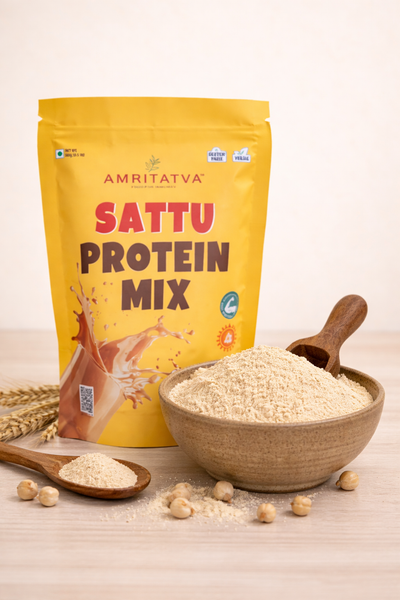
- Sattu drink: Mushroom sattu — roasted chana blended with oyster mushroom powder — mixed with water, lemon, and a pinch of jeera salt is a complete on-the-go protein drink. One glass delivers a meaningful dose of both beta-glucan and quality protein.
- Roti atta and parathas: Mix one to two teaspoons of powder per 100 g atta before kneading. Colour stays neutral; children will not notice.
How Should You Use Whole Dried Oyster Mushrooms?
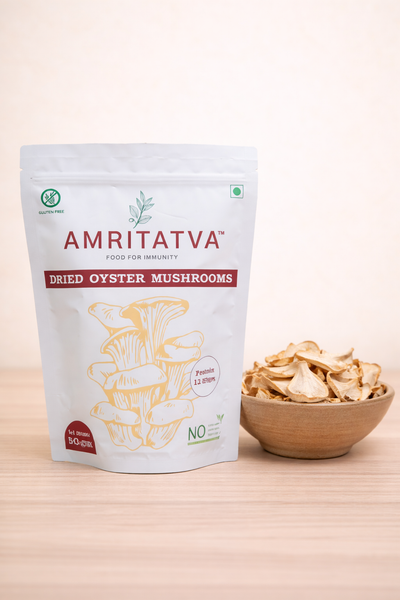
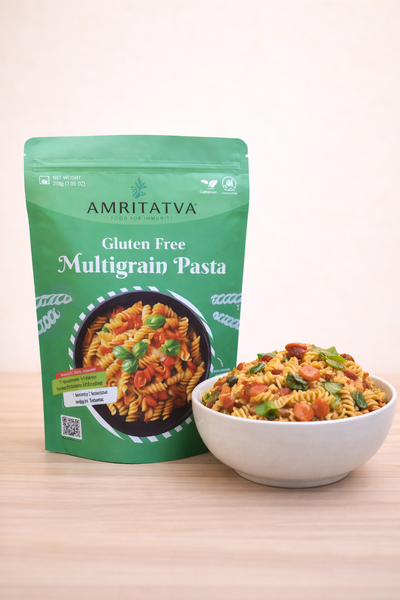
Dried oyster mushrooms work well anywhere you would use a dried vegetable. Soak for 20 minutes in warm water, then add to any sabzi, biryani, or noodle dish. The soaking water is flavourful — use it as a stock base rather than discarding it. Dried dhingri have a meatier texture than fresh, which makes them a satisfying component in mushroom-keema style preparations or alongside millet pasta.
If your family is new to dhingri, start with powder in familiar foods rather than introducing whole mushrooms as a new vegetable. The habit forms easier when it does not ask for a new recipe at the same time.
Trying to decide between dried mushrooms, powder, or wondering why fresh oyster mushrooms are so hard to find at all? Our dried vs. powder vs. fresh buying guide breaks down the real nutrition differences and an honest cost-per-gram comparison across brands.
Frequently Asked Questions About Oyster Mushroom Benefits
Are oyster mushrooms (dhingri) safe for children and pregnant women?
Yes, oyster mushrooms are a whole food with a strong safety record. Children benefit from the protein quality (BV 80) and B vitamins. Pregnant women benefit from the B-complex including niacin support. There are no known contraindications for healthy individuals. As with any new food, introduce gradually and consult your doctor if you have specific medical conditions.
How much oyster mushroom powder should I take daily?
One to two teaspoons (roughly 3-6 g) per day across meals is a practical daily amount for most adults. At that amount, you get a meaningful delivery of beta-glucan, protein, and B vitamins. Clinical studies on beta-glucan have used higher doses in supplement form, but food-form delivery across multiple meals is considered equally effective for daily maintenance.
Do oyster mushrooms help with weight management?
Oyster mushrooms are low in calories (roughly 33 kcal per 100 g fresh weight) and high in protein and fibre relative to their caloric load. High-protein, high-fibre foods support satiety — meaning you feel fuller for longer. Beta-glucan specifically slows gastric emptying. They are not a weight-loss treatment, but they are a useful ingredient in a calorie-conscious diet that needs to stay nutritionally dense.
Can I eat oyster mushrooms if I have diabetes?
Oyster mushrooms have a low glycaemic index and their beta-glucan content has been associated with improved glycaemic response in multiple studies — beta-glucan slows sugar absorption by increasing viscosity in the digestive tract. This is promising, but dhingri should be part of a medically supervised diet plan, not a replacement for prescribed treatment. Talk to your diabetologist before making changes.
What is the difference between oyster mushroom powder and mushroom sattu?
Oyster mushroom powder is made from whole dried and milled Pleurotus ostreatus fruiting bodies — pure mushroom. Mushroom sattu combines roasted mushroom with traditional sattu grains, giving you a broader macronutrient profile including complex carbohydrates. Powder is better for cooking into meals invisibly; sattu is better as a standalone drink or snack. Both deliver beta-glucan and quality protein.
Are Amritatva mushroom products FSSAI certified?
Yes. All Amritatva products carry FSSAI licence number 22222046000640. They are made without preservatives, artificial additives, or gluten-containing ingredients. The oyster mushroom powder is made from whole fruiting bodies — not mycelium — which, as the research shows, is the higher-beta-glucan format.
How are dried oyster mushrooms different from fresh in terms of nutrition?
Drying concentrates nutrients per gram — dried mushrooms have more protein, fibre, and beta-glucan per 100 g than fresh, simply because water is removed. Ergothioneine retention depends on drying method: hot-air drying preserves the highest levels (RSC Food & Function, 2024). In practical terms, dried and powdered dhingri are at least as nutritionally complete as fresh, and far more convenient for daily use.
The Bottom Line on Oyster Mushroom Benefits for Indian Families
Oyster mushrooms — dhingri — are one of the few whole foods that simultaneously address protein quality, B vitamin gaps, immune function, and gut health in a single ingredient. The research backing this is specific: BV 80 protein, 31.66% beta-glucan in the fruiting body, documented activation of macrophages and NK cells, and a measurable bifidogenic effect in the gut. These are peer-reviewed numbers from 2023-2025.
For a country where 73% of people do not meet protein RDA and where the same dal-roti rotation forms the base of most family meals, dhingri offers an unusual opportunity. It fits into existing recipes without disruption. It works in powder form, dried form, or fresh. It is affordable, widely available, and grown in India.
Start with one teaspoon of powder in your next dal. See if anyone notices. They probably will not. But over weeks and months, the cumulative effect on protein intake, B vitamins, and gut-supporting fibre adds up in ways that become visible — in energy, digestion, and how often the household is down with seasonal illness. That is the honest case for making dhingri a kitchen staple.
About the Author: Preeti Rathore is the Founder and CEO of Amritatva, a clean-label food brand building India's everyday nutrition around functional whole foods. She writes on nutrition science, Indian food systems, and the practical application of food research for families.
Sources: PMC10824988 (January 2024); ScienceDirect Food Chemistry (November 2023); RSC Food & Function (2024); PMC11719500 (January 2025); MDPI Molecules (June 2024); Springer Nature (2025); PMC12195508 (June 2025); ORF/IMRB Survey (2020); ICMR Dietary Guidelines; Frontiers (2025).

0 comments