

Why does the journey of a millet-based food product matter?
A good food product begins long before it reaches your kitchen. The ingredients selected, their sourcing, how they are handled and the quality checks carried out during production all influence the final product.
At Amritatva, we believe that understanding food begins with understanding its ingredients. Millets have been part of Indian agriculture and traditional diets for generations. Today, they are finding new applications in contemporary food products, including convenient options for busy households.
Our approach is to bring familiar Indian food ingredients into practical formats while keeping product composition and quality information clear. From millet-based pasta and noodles to traditional sattu-inspired products, the focus is on making everyday food choices easier to understand and use.
Why are millets important in Indian food culture?
Millets are a diverse group of small-seeded cereal crops. In India, commonly known varieties include:
-
Pearl millet (bajra): Widely used in rotis, khichdi and traditional regional meals.
-
Finger millet (ragi): Used in porridge, dosa, malt and baked preparations.
-
Foxtail millet: A versatile grain used in upma, pulao and other rice-style dishes.
-
Little millet: Often prepared as a rice alternative in everyday meals.
-
Sorghum (jowar): Traditionally used in rotis, bhakri and other preparations.
Their nutritional composition varies by variety and processing method. Millets can contribute carbohydrates, dietary fibre and minerals to a varied diet, although the amount of each nutrient differs across grains.
The ICAR–Indian Institute of Millets Research's Good Agricultural Practices manual documents the nutritional composition and cultivation practices of several millet crops grown in India. https://www.millets.res.in/pub/2026/GAP-English.pdf
Millets are also important from an agricultural perspective. The ICAR manual describes their role in India's varied and often challenging agro-ecological regions. However, the environmental impact of a particular crop depends on factors such as location, farming practices, soil, rainfall and irrigation. It is better to understand these differences than to assume every millet crop has the same environmental footprint.
What should consumers look for when choosing millet-based products?
The word millet on a product label is only the starting point. A more informed choice involves looking at the complete product.
Here are five useful things to check:
1. Read the ingredient list
Check which grains and other ingredients are actually used. A product described as millet-based may contain a combination of grains, pulses or other ingredients.
The ingredient list helps you understand what you are buying rather than relying only on the product name or front-of-pack description.
2. Understand the nutritional information
Compare the nutrition panel for serving size, carbohydrates, protein, dietary fibre, fat and sodium.
A millet-based product is not automatically higher in fibre or protein than every other grain-based product. Its nutritional value depends on the actual formulation.
3. Look for clear manufacturer and batch information
A transparent label should help consumers identify the manufacturer, ingredients, nutrition information, applicable licence details, batch information, dates and storage instructions.
4. Check specific claims carefully
Words such as organic, gluten-free, vegan and preservative-free have different meanings. If a particular claim matters to your dietary needs, look for the relevant label information and supporting documentation.
For example, organic food in India is regulated under the Food Safety and Standards (Organic Foods) Regulations, 2017. FSSAI recognises the National Programme for Organic Production (NPOP) and Participatory Guarantee System (PGS-India) certification systems. Consumers can look for the applicable certification information and Jaivik Bharat identification. https://www.fssai.gov.in/standards/organic-food
How does Amritatva bring traditional grains into modern kitchens?
At Amritatva, our product range brings together traditional food ingredients and convenient formats for everyday cooking.
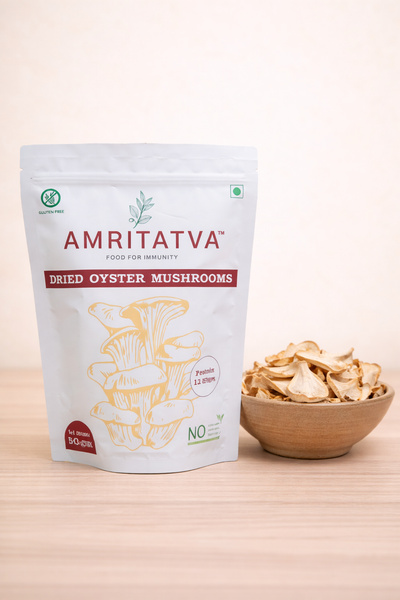
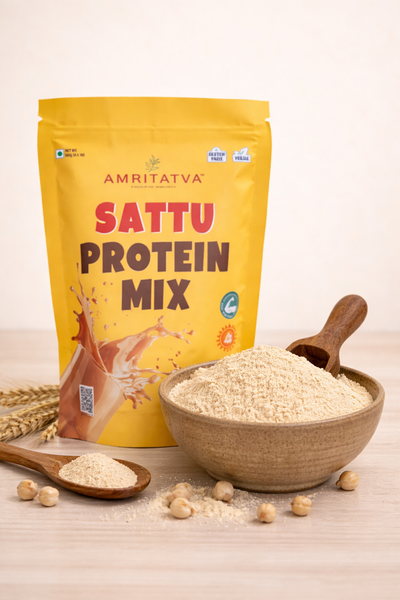
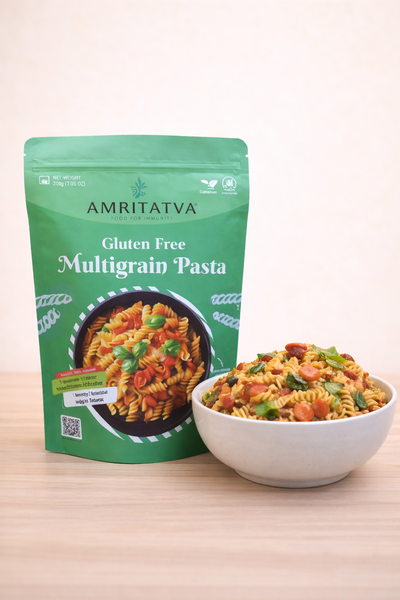
The website features millet-based gluten-free pasta and noodles alongside mushroom-based foods, sattu and seasonings. These products reflect our interest in making familiar ingredients practical for modern households.
The idea is simple: food should fit into real kitchens and everyday routines.
A busy professional may want a quick pasta meal after work. A family may prefer a convenient noodle preparation with vegetables and familiar spices. Someone looking for a traditional option may enjoy sattu as part of breakfast or a refreshing drink.
These are different ways of bringing traditional ingredients into contemporary eating habits.
Explore the Amritatva range:
What does quality mean beyond the grain itself?
A good ingredient is important, but it is only one part of a food product's journey.
For packaged foods, quality involves several connected stages:
| Stage | What deserves attention |
|---|---|
| Ingredient sourcing | Identifying ingredients and maintaining suitable supplier information |
| Ingredient handling | Appropriate cleaning, storage and hygienic handling |
| Processing | Methods suitable for the type of food being made |
| Quality checks | Relevant checks and testing for the product |
| Packaging | Suitable food-grade packaging and protection during storage |
| Labelling | Clear ingredients, nutrition information and required product details |
At Amritatva, our stated quality approach includes third-party testing and transparent product information. The exact tests and parameters can vary depending on the product, so consumers should refer to the relevant product documentation for specific details. https://www.amritatva.com/pages/certifications-quality-standards
This is an important distinction: quality should be supported by processes and verifiable information, not simply by attractive packaging or broad marketing language.
Are millet-based foods automatically healthier?
Not necessarily.
Millets can be a useful part of a varied diet, but the nutritional value of a finished product depends on its ingredients, formulation, processing and portion size.
For example, a millet-based pasta should be assessed using its full ingredient list and nutrition panel. The same principle applies to millet noodles, breakfast mixes and packaged snacks.
A balanced meal can include vegetables, pulses, whole grains, suitable protein sources and other ingredients that meet individual nutritional needs.
The goal is not to replace every familiar food with a millet alternative. It is to enjoy variety and make informed choices.
How can you use millet-based foods in everyday Indian meals?
Millets are versatile, and they can be used in both traditional and contemporary recipes.
Here are a few practical ideas:
-
Breakfast: Prepare ragi porridge or a savoury millet upma with vegetables.
-
Lunch: Serve bajra roti with dal, seasonal sabzi and curd or a suitable plant-based alternative.
-
Dinner: Try millet-based pasta or noodles with vegetables, herbs and spices.
-
Snacks: Prepare roasted millet-based snacks or include suitable millet preparations as part of a varied snack plate.
-
Traditional drinks: Include sattu in a savoury or lightly spiced drink, depending on the product formulation.
Small changes can make traditional grains easier to include without making everyday cooking complicated.
Why does ingredient transparency matter to Amritatva?
We believe consumers deserve to understand what goes into the food they buy.
That means communicating ingredients clearly, providing relevant product information and being careful with claims.
For us, a product's story should not depend on words such as organic, natural or healthy alone. It should be supported by what the product contains, how it is made and what information can be verified.
Our aim is to bring together traditional ingredients, practical food formats and transparent product communication.
Because better food choices begin with better information.
A final thought
Millets connect India's agricultural heritage with the possibilities of modern food. Their value lies not in being treated as a trend, but in understanding their varieties, nutritional qualities and role in everyday meals.
At Amritatva, we want to make that connection easier through thoughtful food products and clear ingredient communication.
Explore more at www.amritatva.com.
Frequently Asked Questions
1. What are the most commonly consumed millets in India?
Commonly consumed millets include pearl millet (bajra), finger millet (ragi), sorghum (jowar), foxtail millet and little millet. Their uses vary across regions. They can be prepared as rotis, porridge, khichdi, upma, dosa and other traditional or modern dishes.
2. Are millet-based products always gluten-free?
No. Although many millets are naturally gluten-free, a packaged product may contain other gluten-containing ingredients or be exposed to cross-contact during processing. People who need a gluten-free diet should check the product's ingredients, manufacturing information and applicable gluten-free testing or certification.
3. Does Amritatva offer millet-based products?
Amritatva's product range includes millet-based gluten-free pasta and noodles, along with sattu, mushroom products and seasonings. Product formulations and ingredients should be checked on the individual product pages and packaging before purchase.
4. What should I check before buying a millet-based packaged food?
Read the ingredient list and nutrition panel first. Check serving size, fibre, protein, carbohydrates and sodium, as well as manufacturer information, batch details, storage instructions and any dietary claims relevant to you.
5. What does organic certification mean in India?
Organic food in India is regulated by FSSAI under the Food Safety and Standards (Organic Foods) Regulations, 2017. The recognised certification systems include NPOP and PGS-India. Consumers can check the applicable certification information and Jaivik Bharat identification rather than relying only on the word “organic” in promotional material.
6. Can millets be included in everyday meals?
Yes. Millets can be included in meals in different forms, such as rotis, porridge, khichdi, upma and millet-based pasta or noodles. The best approach is to include a variety of grains and other food groups according to individual preferences and nutritional needs.
7. Are millets better than rice or wheat?
There is no single answer for everyone. Millets, rice and wheat differ in nutrient composition, taste, texture and culinary use. The best choice depends on the variety, preparation method, overall diet and individual requirements. Eating a variety of grains can help make meals more diverse.
0 comments