

Difference Between Gluten-Free & Regular Diets
Food is more than just nourishment. It is part of our daily routines, traditions, memories and lifestyle.
You may have heard the term “gluten-free diet” more frequently in recent years. For some people, avoiding gluten is an important dietary requirement. For others, gluten-containing foods can comfortably remain part of a balanced diet.
So, what is the actual difference between a gluten-free diet and a regular diet?
Let us look at it simply.
What is gluten?
Gluten is a group of proteins naturally found in certain grains, particularly wheat, barley and rye.
It helps give dough its structure and elasticity, which is why gluten-containing grains are commonly used in breads, pasta, biscuits and many other foods.
For most people, gluten-containing foods can be included as part of a varied and balanced diet.
However, some people need to avoid gluten because of conditions such as celiac disease, while others may choose to avoid it because of individual dietary preferences or medically identified sensitivity.
What is a gluten-free diet?
A gluten-free diet avoids foods containing gluten and focuses on naturally gluten-free ingredients and appropriately labelled gluten-free products.
Naturally gluten-free foods include many everyday ingredients such as:
- Rice
- Millets
- Lentils and pulses
- Corn
- Fruits
- Vegetables
- Nuts and seeds
- Many fresh animal or plant-based protein foods
However, simply removing wheat from your diet does not automatically make a meal nutritionally balanced.
A good gluten-free diet should still include a variety of foods that provide carbohydrates, protein, healthy fats, fibre and other nutrients.
What is a regular diet?
A regular diet can include both gluten-containing and naturally gluten-free foods.
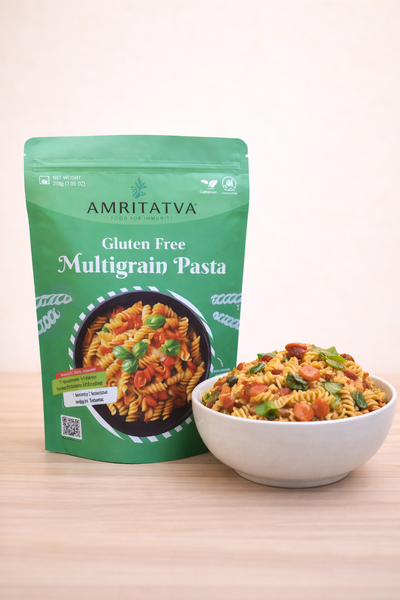
For example, wheat-based roti, bread or pasta may be combined with vegetables, pulses, dairy or plant-based protein, nuts, seeds and other foods.
The quality of a regular diet depends largely on the overall variety and balance of foods rather than on whether it contains gluten.
Gluten-free vs. regular diet: What is the difference?
The main difference is whether gluten-containing ingredients are included.
| Gluten-Free Diet | Regular Diet |
|---|---|
| Avoids gluten-containing grains and ingredients | May include gluten-containing grains |
| Can include rice, millets, pulses, vegetables and fruits | Can include both gluten-containing and gluten-free foods |
| Requires attention to ingredient labels | Usually requires fewer gluten-related label checks |
| Important for people who need to avoid gluten | Suitable for people who can consume gluten |
Neither approach is automatically healthier for everyone.
The right dietary pattern depends on your individual nutritional needs, preferences and, where relevant, medical advice.
Is a gluten-free diet healthier?
Not necessarily.
A gluten-free label does not automatically mean that a food is more nutritious.
Some packaged gluten-free products can still contain significant amounts of sugar, fat or sodium. Similarly, naturally gluten-free foods such as vegetables, fruits, pulses, rice and millets can be nutritious choices without needing a special label.
The focus should therefore be on overall food quality and dietary balance, rather than simply choosing foods because they are gluten-free.
Who may need to avoid gluten?
People diagnosed with celiac disease need to follow a strict gluten-free diet.
Some people may also report symptoms or discomfort associated with gluten or certain wheat-containing foods. If you regularly experience digestive symptoms after eating particular foods, it is better to discuss them with a qualified healthcare professional rather than eliminating foods without understanding the underlying reason.
For people who need a medically necessary gluten-free diet, preventing cross-contact with gluten-containing foods can also be important.
How to build a balanced gluten-free plate
If you choose or need to follow a gluten-free diet, focus on naturally gluten-free whole foods.
A simple meal can include:
A carbohydrate source: rice, millet or another suitable gluten-free grain
A protein source: lentils, beans, dairy, nuts, seeds or another suitable protein
Vegetables: seasonal vegetables or salads
Healthy fats: nuts, seeds or suitable cooking oils
This approach keeps the focus on variety and nourishment rather than simply removing gluten.
Reading labels matters
Gluten can appear in foods where you may not expect it, particularly in processed or packaged products.
If you need to follow a strict gluten-free diet, check ingredient lists and the product's gluten-free labelling carefully.
This is especially important for people with celiac disease because even small amounts of gluten can be significant.
Gluten-free eating can still be enjoyable
Going gluten-free does not mean giving up flavour or variety.
Traditional Indian food already includes many naturally gluten-free ingredients, including rice, millets, lentils, vegetables, fruits, nuts and seeds.
With thoughtful ingredient choices, gluten-free meals can be colourful, satisfying and diverse.
Choose what works for you
There is no single eating pattern that is perfect for everyone.
For someone who can comfortably consume gluten, a balanced diet containing whole grains can be perfectly appropriate.
For someone who needs to avoid gluten, naturally gluten-free foods and properly labelled gluten-free products can help create a varied diet.
The important thing is to understand why you are making a particular food choice and to build your meals around variety, balance and adequate nutrition.
At Amritatva, we believe mindful eating begins with understanding your ingredients and choosing foods that fit your individual lifestyle and needs.
Whether your diet includes gluten or not, the goal remains the same: make informed, balanced and enjoyable food choices.
0 comments