

Does drinking amla juice in the morning really improve immunity?
Amla juice is a popular traditional Indian drink, often included in morning wellness routines. Made from Indian gooseberry, amla provides vitamin C and naturally occurring plant compounds. Vitamin C is an essential nutrient that supports normal immune function, contributes to collagen formation and helps the body absorb iron from plant-based foods.
However, drinking amla juice in the morning does not automatically strengthen immunity or prevent infections. There is also no established evidence that consuming it on an empty stomach is more beneficial than having it at another time of day.
Its value depends on the overall diet, the quantity consumed and the product's preparation. Amla can be a refreshing addition to a varied eating pattern, but it is not a substitute for balanced meals, adequate sleep, hydration or medical care.
What makes amla a popular traditional Indian ingredient?
Amla, scientifically known as Phyllanthus emblica or Emblica officinalis, has a long history in Indian food traditions and Ayurveda.
Its distinctive sour and slightly astringent taste makes it suitable for several preparations, including:
-
Fresh amla eaten in small portions.
-
Homemade amla juice.
-
Amla chutney and dips.
-
Amla pickle.
-
Amla-based traditional preparations.
Amla is valued nutritionally because it contains vitamin C and other plant compounds. The exact nutritional composition of a serving depends on the fruit, quantity, preparation and processing method.
It is useful to distinguish traditional food practices from modern clinical evidence. Amla has an important place in Indian culinary and traditional wellness practices, but not every traditional claim has been confirmed through large human studies.
How does vitamin C in amla support the immune system?
Vitamin C is an essential nutrient that plays several roles in the body.
According to the US National Institutes of Health Office of Dietary Supplements, vitamin C contributes to normal immune function and acts as an antioxidant. It also supports collagen production and improves the absorption of non-haem iron from plant-based foods.
Here is what that means in everyday terms:
| Role of vitamin C | Why it matters |
|---|---|
| Immune function | Helps the immune system function normally |
| Antioxidant activity | Helps protect cells from oxidative damage |
| Collagen formation | Supports normal connective tissue and wound healing |
| Iron absorption | Helps the body absorb iron from plant-based foods |
These are established functions of vitamin C. They do not mean that consuming extra amla juice will prevent illness or provide an immediate immunity boost.
The most practical approach is to obtain vitamin C regularly from a variety of foods, including fruits and vegetables.
Reference: NIH Office of Dietary Supplements – Vitamin C
https://ods.od.nih.gov/factsheets/VitaminC-HealthProfessional/
Is there scientific evidence for amla's health benefits?
Research on amla is developing, and some early human studies have explored its effects on different health markers.
One randomized, double-blind, placebo-controlled crossover study published in 2019 examined amla supplementation in 15 healthy adults. Participants received 500 mg of amla per day during the study. Researchers assessed several measures, including vascular function and oxidative stress-related biomarkers.
The study reported changes in selected markers, but its small sample size means the findings should be interpreted cautiously.
Most importantly, this study examined a specific amla supplement—not an ordinary glass of freshly prepared amla juice. Its findings cannot automatically be applied to every juice, serving size or morning routine.
More large-scale human research is needed before making strong claims about amla juice and specific health outcomes.
Research reference: Clinical Evaluation of Emblica officinalis in Healthy Human Subjects (2019).
https://pmc.ncbi.nlm.nih.gov/articles/PMC6926135/
Does drinking amla juice on an empty stomach offer extra benefits?
This is one of the most common questions about amla juice.
Traditional morning routines often recommend drinking it before breakfast. However, there is currently insufficient scientific evidence to establish that consuming amla juice on an empty stomach provides additional nutritional or immune benefits.
The body does not require a special morning window to use vitamin C.
If you enjoy amla juice in the morning and it suits your digestion, you can include it in your routine. If its sourness causes discomfort, try having it with or after food, or choose another way to enjoy the fruit.
The important consideration is consistency in your overall food habits—not a strict timing rule.
How can you include amla juice in a balanced morning routine?
Amla juice can be included in a simple morning routine without turning it into a complicated wellness ritual.
Try these practical steps:
1. Choose a product with clear ingredients
Read the label before buying packaged amla juice. Check whether it contains added sugar, preservatives or other ingredients, and review the storage instructions.
2. Pay attention to portion size
Start with a modest serving and follow the manufacturer's directions if using a packaged product. Concentrated juices may need dilution. There is no universally established daily dose of amla juice for immunity.
3. Dilute if you prefer a milder taste
If the flavour is too strong, mix the juice with water. This changes the concentration and taste of the drink but does not create additional nutritional benefits.
4. Avoid adding unnecessary sugar
Amla is naturally sour. If you prefer a sweeter drink, consider combining it with naturally sweet fruit rather than routinely adding large amounts of sugar.
5. Eat a balanced breakfast
Amla juice should not replace breakfast. Include foods such as whole grains, pulses, nuts, seeds, fruits or other suitable protein sources to make the meal more complete.
What are some Indian breakfast combinations to try?
Amla juice can accompany many familiar Indian breakfast options.
| Breakfast option | What it adds to the meal |
|---|---|
| Vegetable poha with peanuts | Grain-based energy, vegetables and some protein from peanuts |
| Moong dal chilla | Plant protein and a savoury breakfast option |
| Ragi porridge with nuts | A grain-based meal with additional nutrients from nuts |
| Idli with sambar | A combination of cereal, pulses and vegetables |
| Millet upma with vegetables | Variety through grains and seasonal vegetables |
You can enjoy amla juice alongside these meals if it suits your taste and dietary needs.
A varied breakfast is more important than relying on one drink for overall wellness.
Can amla juice support digestion?
Amla is traditionally used in several Indian food preparations, and many people include it in their daily routines.
However, strong claims that amla juice improves digestion, treats acidity or relieves constipation require better human evidence. The effect may also depend on the product, serving size and individual tolerance.
If your goal is to support digestive health, focus on habits with broader nutritional support:
-
Include fibre-rich foods such as vegetables, fruits, pulses and whole grains.
-
Drink enough water throughout the day.
-
Eat a varied diet rather than relying on a single ingredient.
-
Include suitable fermented foods if they agree with you.
-
Maintain regular meal patterns that suit your routine.
Persistent digestive discomfort should be discussed with a qualified healthcare professional rather than managed only through home remedies.
Are there any precautions when drinking amla juice?
Amla is a food ingredient, but concentrated juices and supplements may not suit everyone.
Keep these points in mind:
-
Sensitive stomach: Its sour taste may cause discomfort in some people. Try a smaller amount or have it with food.
-
Added sugar: Check packaged products for added sugars, especially if you monitor your sugar intake.
-
Concentrated supplements: Amla extracts and capsules are not equivalent to ordinary fruit or juice.
-
Medication use: If you take regular medication, particularly medication affecting blood glucose or blood clotting, ask your healthcare professional before using concentrated amla supplements regularly. Evidence on interactions is limited, so caution is sensible.
-
Existing health conditions: Seek individual advice if you have a medical condition, are pregnant or breastfeeding, or are considering regular high-dose supplementation.
A traditional ingredient can be part of a balanced diet without being suitable for every person in every form.
How does Amritatva view mindful nutrition?
At Amritatva, we believe mindful nutrition begins with understanding everyday food choices.
Traditional ingredients can have a meaningful place in modern kitchens, but no single food or drink should be presented as a complete solution for health.
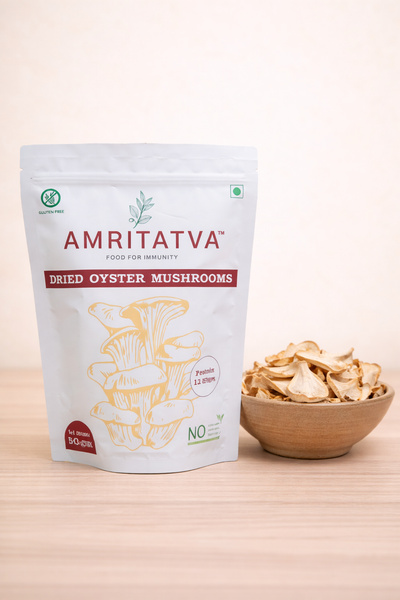
Our approach focuses on making food choices practical, transparent and enjoyable. Whether it is choosing familiar grains, adding vegetables and pulses to meals or exploring ingredients such as oyster and shiitake mushrooms, variety matters.
Amla is another example of an ingredient with a long place in Indian food traditions. It can be enjoyed as part of a varied diet, alongside other fruits, vegetables and nourishing meals.
Explore our food range and learn more about our approach at https://www.amritatva.com/.
What is the takeaway from a morning amla juice habit?
Amla juice can be a refreshing way to include a traditional Indian fruit in your routine. Its vitamin C content contributes to normal immune function, antioxidant activity and the absorption of plant-based iron.
But it is important to keep expectations realistic. Drinking it on an empty stomach has no proven special advantage, and it does not guarantee better digestion or protection against infections.
Instead of looking for one powerful morning drink, focus on the bigger picture: varied meals, fruits and vegetables, adequate hydration, regular movement and sufficient sleep.
Mindful nutrition is not about finding one miracle ingredient. It is about building everyday habits that work together.
Frequently Asked Questions
1. What is the best time to drink amla juice?
There is no scientifically established best time to drink amla juice. You can have it in the morning or at another convenient time. If its sourness causes stomach discomfort, try having it with or after food. The overall quality of your diet matters more than the timing of this one drink.
2. Does amla juice boost immunity?
Amla contains vitamin C, which plays an important role in normal immune function. However, drinking amla juice does not guarantee stronger immunity or prevent infections. Immune health depends on several factors, including overall nutrition, sleep, physical activity and general health.
3. Can I drink amla juice every day?
Some people include amla juice regularly as part of their diet, but there is no universally established daily dose for general wellness. Consider the product's concentration, ingredients and serving instructions. If you have a medical condition or take regular medication, seek professional advice before making concentrated amla products a daily habit.
4. Should I drink amla juice on an empty stomach?
There is no strong scientific evidence that an empty stomach improves the benefits of amla juice. You can choose the timing that suits your routine and digestion. If you experience discomfort, dilute it or have it alongside food.
5. Does amla juice improve digestion?
Amla has a place in traditional Indian food practices, but strong clinical evidence that amla juice improves digestion or treats digestive problems remains limited. For digestive health, focus on dietary fibre, adequate fluids and a varied eating pattern. Consult a healthcare professional for persistent symptoms.
6. Is fresh amla better than packaged amla juice?
Fresh amla and packaged juice are different ways to consume the fruit. Fresh fruit provides its natural food matrix, while packaged juice may vary in concentration, processing and added ingredients. Read the label and compare products rather than assuming every packaged juice has the same nutritional value.
7. Can I add honey or sugar to amla juice?
You can adjust the taste if needed, but adding honey or sugar increases the drink's free or added sugar content. If you prefer a milder flavour, try diluting the juice with water or combining it with naturally sweet fruit.


0 comments